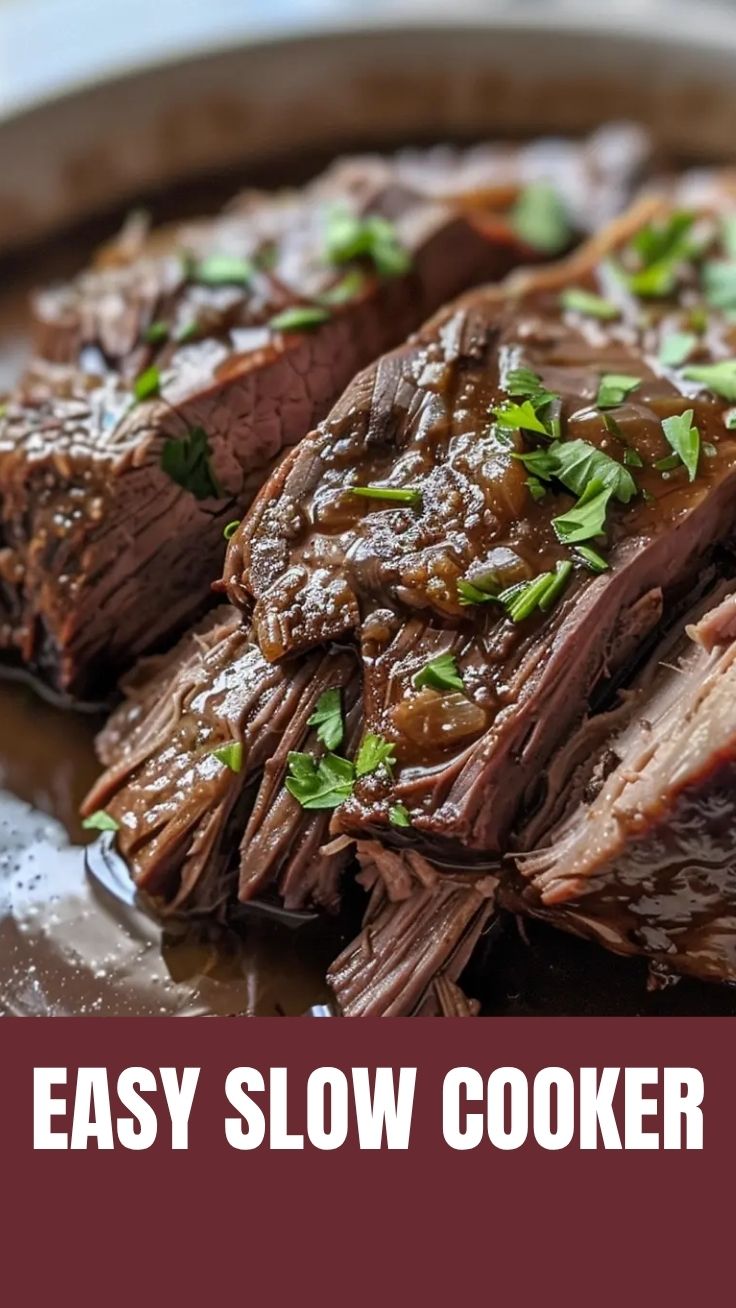
The Ultimate Slow Cooker Pot Roast: Tender, Juicy, and Effortless
Have you ever dreamed of coming home to a kitchen filled with the rich aroma of a perfectly braised beef dinner, ready to serve with minimal effort? That’s the magic of a Slow Cooker Pot Roast. This classic comfort dish transforms an economical cut of beef into fall‑apart tenderness, infused with savory herbs and sweet vegetables. Preparing it at home not only saves money compared to restaurant versions, but also lets you control every ingredient—making it healthier, more flavorful, and tailored to your family’s taste. Whether you’re a busy parent or a weekend meal‑prepper, mastering this pot roast technique is a game‑changer for your weekly rotation.
Ingredients & Kitchen Tools
For the Roast
– 3–4 lb chuck roast (or bottom round; well‑marbled cuts work best for shredding)
– 2 tbsp olive oil (for searing)
– 1 large onion, thickly sliced
– 4 carrots, peeled and cut into 2‑inch chunks
– 3 celery stalks, sliced
– 4 cloves garlic, smashed
– 1 cup beef broth (low‑sodium recommended)
– 2 tbsp tomato paste
– 1 tbsp Worcestershire sauce
– 2 tsp dried thyme (or 4 sprigs fresh)
– 2 bay leaves
– 1 tsp salt (plus more for seasoning)
– ½ tsp black pepper
– 1 lb baby potatoes (or Yukon Gold, quartered)
Kitchen Tools
– 6‑quart slow cooker (or larger)
– Heavy‑bottomed skillet (for searing)
– Tongs (to flip the roast safely)
– Sharp chef’s knife & cutting board
– Measuring spoons
– Wooden spoon (to deglaze pan)
Optional Substitutions
– Beef broth → red wine (½ cup wine + ½ cup broth for deeper flavor)
– Potatoes → parsnips or turnips (lower carb option)
– Fresh herbs instead of dried (double the amount)
Prep Time & Cooking Schedule
– Prep time: 20 minutes (chopping vegetables, seasoning meat, searing)
– Cooking time: 8–10 hours on LOW or 4–5 hours on HIGH
– Resting time: 10 minutes before shredding (allows juices to redistribute)
Planning tip: Start the roast in the morning before work (set on LOW) or assemble it the night before and refrigerate the insert, then pop it into the slow cooker base in the morning. The longer, slower cook yields the most tender results.
Step-by-Step Instructions
1. Sear the roast for maximum flavor. Pat the chuck roast dry with paper towels, then season generously with salt and pepper. Heat olive oil in a heavy skillet over medium‑high heat. Sear each side for 3–4 minutes until deeply browned. This Maillard reaction is the secret to a rich, savory Slow Cooker Pot Roast.
2. Build the aromatic base. In the same skillet, reduce heat to medium and sauté onion, carrots, and celery for 3 minutes, scraping up any browned bits. Add garlic and tomato paste, cook 1 minute more.
3. Combine in slow cooker. Transfer vegetables to the slow cooker. Place seared roast on top. Add potatoes, bay leaves, thyme, Worcestershire sauce, and beef broth. The liquid should come about halfway up the meat—add more broth if needed.
4. Cook low and slow. Cover and cook on LOW for 8–10 hours (or HIGH for 4–5 hours). The meat should pull apart easily with a fork. For a classic pot roast texture, avoid lifting the lid during cooking—every peek adds 20 minutes of cook time.
5. Thicken the gravy (optional). Remove meat and vegetables to a platter. Strain the liquid into a saucepan, skim fat, then whisk in 2 tbsp cornstarch mixed with 2 tbsp cold water. Simmer until thickened.
6. Rest and serve. Let the beef rest 10 minutes before slicing or shredding. Spoon vegetables and gravy over the top. Season with extra salt and pepper to taste.
Nutritional Benefits & Advantages
This slow‑cooked meal is a nutritional powerhouse. Chuck roast provides high‑quality protein, iron, zinc, and B vitamins, essential for energy and immune function. The carrots and potatoes contribute beta‑carotene, fiber, and potassium. Slow cooking also breaks down tough connective tissue into gelatin, which supports joint health and gut integrity. By using low‑sodium broth and controlling fat (trim visible fat before cooking), you can keep the dish heart‑healthy. Plus, the long, gentle cooking preserves more water‑soluble vitamins than high‑heat methods.
Tips Variations & Cooking Advice
– Flavor variations: Add a splash of balsamic vinegar or red wine for acidity; stir in a dollop of Dijon mustard before serving for tang.
– Herb swaps: Rosemary, oregano, or a bouquet garni work beautifully.
– Dietary adaptations: For gluten‑free, use tamari instead of Worcestershire and ensure broth is certified GF. For dairy‑free, simply avoid butter‑based thickeners—cornstarch is naturally dairy‑free.
– Portion changes: For a smaller roast (2 lb), reduce cooking time to 6–7 hours on LOW; halve liquid to ¾ cup.
– Alternative cooking methods: If you don’t have a slow cooker, use a Dutch oven at 300°F (150°C) for 3–4 hours, covered, in the oven.
Common Mistakes to Avoid
– Skipping the sear: This step is non‑negotiable—without browning, your roast will lack depth and umami.
– Overcrowding vegetables: Leave space around the meat so heat circulates; cramming leads to steaming instead of braising.
– Lifting the lid repeatedly: Each peek releases steam and prolongs cooking; resist the urge to check early.
– Adding too much liquid: The meat releases its own juices; you only need about ¾–1 cup of broth initially. Excess liquid makes the gravy watery.
– Using lean cuts: Sirloin or round roasts dry out. Chuck or brisket are ideal for shredding and moisture retention.
Storage & Meal Prep Tips
– Refrigeration: Store leftover meat and vegetables separately in airtight containers. They stay fresh for up to 4 days.
– Freezing: The shredded beef freezes exceptionally well. Cool completely, portion into freezer bags (squeeze out air), and freeze for up to 3 months. Label with date.
– Reheating: To maintain texture, reheat gently on the stovetop with a splash of broth or water. Microwaving can dry out the meat; if using a microwave, cover with a damp paper towel and heat in 30‑second bursts.
– Meal prep suggestion: Cook a double batch on Sunday, then use the meat in tacos, sandwiches, or over rice throughout the week.
Conclusion
A Slow Cooker Pot Roast is more than a recipe—it’s a stress‑free path to a hearty, soul‑warming dinner that fills your home with comfort. By searing deeply, choosing the right cut, and letting time do the work, you achieve a pot roast that rivals any family‑style restaurant. The flexibility in seasoning, vegetables, and serving options means you can make it your own week after week. I encourage you to try this method, experiment with the variations, and share your results in the comments. What’s your favorite side dish to serve alongside? Let’s keep the conversation simmering!
FAQs
1. Can I use a frozen roast in the slow cooker?
No—always thaw completely before cooking. A frozen roast will spend too long in the “danger zone” (40–140°F), risking bacterial growth and uneven cooking.
2. Why is my pot roast tough?
Undercooking or cooking on HIGH too quickly are common culprits. Chuck needs low, slow heat to break down collagen. If still tough after 8 hours on LOW, continue for another 1–2 hours.
3. How can I make the gravy thicker without cornstarch?
For a paleo‑friendly option, mash a few of the cooked potatoes into the liquid, or use arrowroot powder (1 tbsp per cup). You can also remove the lid for the last 30 minutes of cooking to reduce and concentrate the broth.
4. Can I add mushrooms or parsnips?
Absolutely! Mushrooms or parsnips pair beautifully. Add them at the same time as carrots. For more delicate vegetables like peas or green beans, stir them in during the last 20–30 minutes of cooking.
5. What’s the best way to shred the meat?
Use two forks to pull apart the roast after it has rested 10 minutes. The meat should shred effortlessly. If you prefer slices, cut against the grain with a sharp knife.
Best way to grow 3 Slow Cooker Pot Roast techniques
Ingredients
Equipment
Method
- Season the beef roast evenly with salt, black pepper, and dried thyme, then sear it in a hot pan for a few minutes on all sides to develop a rich crust and deepen its flavor.
- Chop the potatoes, carrots, and onion into appropriately sized pieces, and mince the garlic cloves to prepare them for the slow cooker.
- Arrange the chopped vegetables at the bottom of the slow cooker insert, then place the seasoned and seared beef roast directly on top of the vegetables.
- Pour the beef broth and Worcestershire sauce over the roast and vegetables, adding the minced garlic and bay leaves to the liquid for aromatic depth.
- Cover the slow cooker and cook on the "Low" setting for 8 hours or on the "High" setting for 4-5 hours, ensuring the beef becomes extremely tender and easily falls apart with a fork.
- Carefully remove the tender pot roast and cooked vegetables from the slow cooker, transferring them to a serving platter or cutting board.
- Allow the roast to rest for 10-15 minutes before shredding or slicing, then serve it with the accompanying vegetables and juices.