Master the Art of Chewy Cookies: Your Ultimate Guide
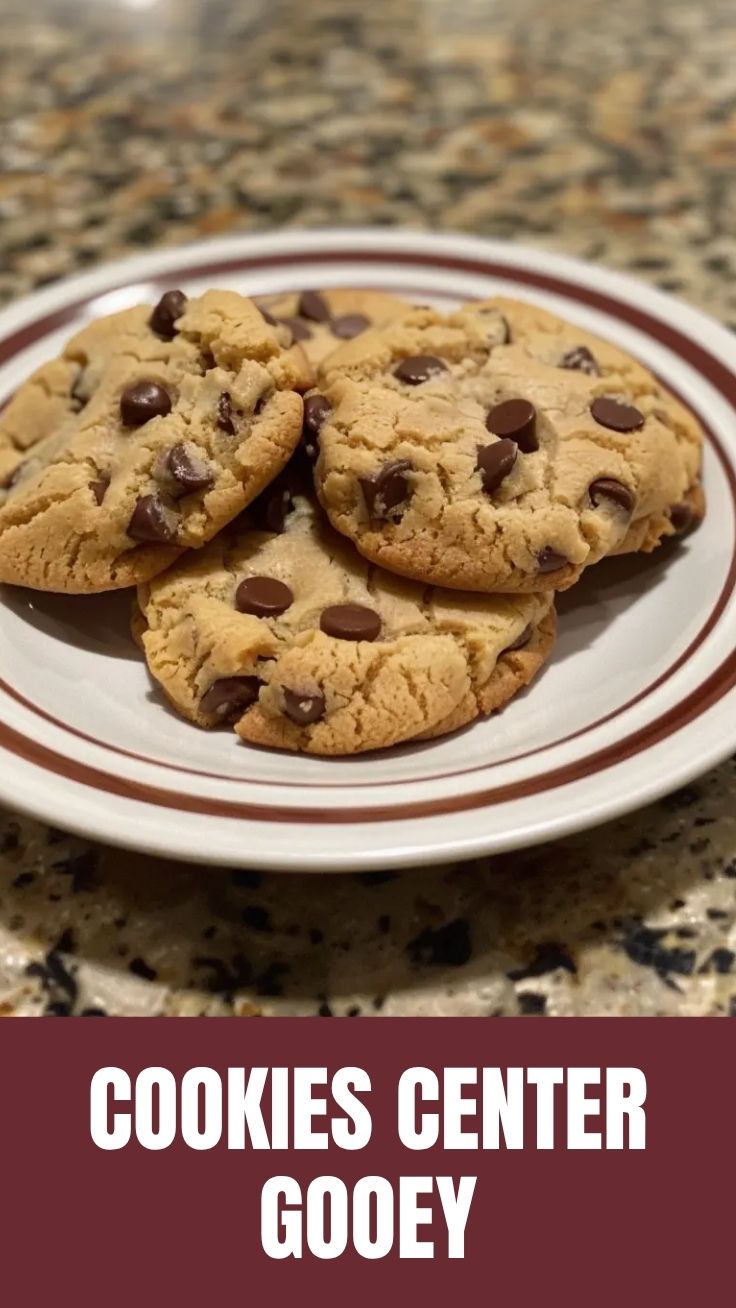
Ever wondered how to bake those perfectly soft, delightfully Chewy Cookies that melt in your mouth and leave you craving more? Crafting homemade cookie recipes from scratch isn’t just about satisfying a sweet tooth; it’s about the joy of creating something truly special, a comforting treat infused with your personal touch. This comprehensive guide will walk you through every step, ensuring your homemade creations are utterly irresistible. Forget store-bought imitations; preparing these delectable chewy treats at home allows you to control the quality of ingredients, personalize flavors, and enjoy the unparalleled freshness that only a home kitchen can offer.
Ingredients & Kitchen Tools
- All-Purpose Flour (2 ½ cups): The foundation of our cookies; provides structure.
- Baking Soda (1 tsp): Our leavening agent, ensuring a soft, Chewy Cookies texture.
- Salt (½ tsp): Balances sweetness and enhances flavor.
- Unsalted Butter (1 cup, 2 sticks), softened: Provides richness and contributes to chewiness. If using salted butter, reduce added salt to ¼ tsp.
- Granulated Sugar (¾ cup): For sweetness and spread.
- Brown Sugar (1 cup, packed): Essential for that signature chewy texture and deep molasses flavor.
- Large Eggs (2): Binds ingredients and adds moisture.
- Vanilla Extract (2 tsp): A flavor enhancer that complements almost any cookie recipes.
- Chocolate Chips or Chunks (1 ½ cups): The classic addition, but feel free to substitute with nuts, dried fruit, or other confectionery.
- Mixing Bowls (2-3): For separating wet and dry ingredients.
- Electric Mixer (stand or hand-held): For creaming butter and sugar effectively.
- Spatula: For scraping down bowls and folding ingredients.
- Baking Sheets: For baking your delightful treats.
- Parchment Paper or Silicone Baking Mats: Prevents sticking and ensures even baking.
- Wire Rack: For cooling your cookies after baking.
Prep Time & Cooking Schedule
- Prep Time: 20-25 minutes
- Chill Time: 30 minutes (minimum), up to 2 hours
- Cook Time: 9-12 minutes per batch
- Resting Time: 5 minutes on the baking sheet, then transfer to a wire rack to fully cool.
The chilling time is crucial for developing flavor and preventing your cookies from spreading too much, ensuring that ideal chewy texture. Plan accordingly to give your dough ample time to firm up.
Step-by-Step Instructions
1. Prep Dry Ingredients: In a medium bowl, whisk together the all-purpose flour, baking soda, and salt. Set aside.
2. Cream Butter and Sugars: In a large mixing bowl, using an electric mixer, cream together the softened unsalted butter, granulated sugar, and packed brown sugar on medium speed until light and fluffy, about 2-3 minutes. This aeration is key for soft cookies.
3. Add Wet Ingredients: Beat in the large eggs one at a time, ensuring each is fully incorporated before adding the next. Stir in the vanilla extract.
4. Combine Wet and Dry: Gradually add the dry ingredient mixture to the wet ingredients, mixing on low speed until just combined. Be careful not to overmix, as this can lead to tough cookies.
5. Fold in Chocolate Chips: Gently fold in the chocolate chips or your chosen mix-ins using a spatula.
6. Chill the Dough: Cover the dough with plastic wrap and refrigerate for at least 30 minutes. This step is vital for achieving truly Chewy Cookies and preventing excessive spreading as it allows the fats to solidify. Many great cookie recipes benefit from this cooling period.
7. Preheat Oven & Prep Sheets: While the dough chills, preheat your oven to 375°F (190°C). Line your baking sheets with parchment paper or silicone mats.
8. Scoop and Bake: Drop rounded tablespoons of dough onto the prepared baking sheets, spacing them about 2 inches apart. Bake for 9-12 minutes, or until the edges are golden brown and the centers are still slightly soft.
9. Cool: Let the cookies cool on the baking sheet for 5 minutes before transferring them to a wire rack to cool completely.
Nutritional Benefits & Advantages
While often seen as an indulgence, homemade cookies offer certain advantages. This recipe incorporates real butter and eggs, providing essential fats and protein. Using wholesome ingredients, you can control sugar levels and even opt for whole wheat flour for added fiber, enhancing the nutritional profile compared to highly processed alternatives. Dark chocolate chips, if chosen, contribute antioxidants.
Tips, Variations & Cooking Advice
- Flavor Boosts: Add a pinch of cinnamon, nutmeg, or even a dash of espresso powder to enhance the chocolate flavor.
- Nutty Twist: Incorporate chopped pecans, walnuts, or almonds for added crunch and flavor.
- Fruitful Delights: Dried cranberries, cherries, or apricots can add a lovely tang.
- Dietary Adaptations:
* Gluten-Free: Substitute all-purpose flour with a 1:1 gluten-free baking blend.
* Dairy-Free: Use a high-quality dairy-free butter substitute.
- Portion Control: Use a cookie scoop to ensure consistent sizing for even baking.
- Sea Salt Finish: A sprinkle of flaky sea salt on top before baking enhances the flavor complexity.
Common Mistakes to Avoid
- Overmixing the Dough: This develops too much gluten, resulting in tough, dry cookies. Mix until just combined.
- Not Chilling the Dough: Leads to flat, overly spread-out cookies that lack chewiness. Don’t skip this critical step!
- Overbaking: Results in hard, crispy cookies instead of soft, chewy ones. Pull them out when the edges are set but the centers still look slightly underbaked.
- Incorrect Oven Temperature: An oven that’s too hot or too cold will dramatically impact the cookie’s texture and spread. Use an oven thermometer to verify accuracy.
Storage & Meal Prep Tips
- Room Temperature: Store cooled cookies in an airtight container at room temperature for up to 3-4 days. Placing a slice of bread in the container can help keep them soft.
- Freezing Baked Cookies: Once completely cooled, place cookies in a single layer in an airtight freezer-safe container or bag for up to 3 months. Thaw at room temperature.
- Freezing Dough: Scoop cookie dough balls onto a parchment-lined baking sheet and freeze until solid. Transfer frozen dough balls to a freezer-safe bag. Bake from frozen, adding an extra 2-3 minutes to the cooking time.
Conclusion
There you have it—your ultimate guide to baking perfect Chewy Cookies every time. From carefully selecting your ingredients to mastering the subtle nuances of baking, each step contributes to that delightful melt-in-your-mouth texture. We’ve explored the secrets to achieving incredible cookie recipes, ensuring your kitchen becomes a hub of delicious aromas and irresistible treats. So go ahead, whip up a batch, experiment with variations, and share your creations. Your taste buds (and your family) will thank you!
FAQs
1. Can I use cold butter directly from the fridge?
No, softened butter is crucial for proper creaming with sugars, which helps create the airy, chewy texture. Cold butter will result in a denser cookie.
2. Why did my cookies spread too much?
This often happens if your butter was too soft or melted, the dough wasn’t chilled long enough, or your oven temperature was too low. Ensure proper chilling and accurate oven calibration.
3. How do I know when the cookies are done?
The edges should be lightly golden brown, and the centers should still look slightly soft or underbaked. They will continue to set as they cool on the baking sheet.
4. Can I reduce the sugar in this recipe?
While you can slightly reduce granulated sugar, drastically reducing brown sugar will impact the chewiness and moisture content, as it’s key for that texture.
5. What’s the best way to prevent cookies from sticking to the baking sheet?
Always use parchment paper or silicone baking mats. They not only prevent sticking but also promote even baking and easy cleanup.
7 Chewy Cookies
Ingredients
Equipment
Method
- Preheat your oven to 375°F (190°C) and line a baking sheet with parchment paper.
- In a medium bowl, whisk together the flour, baking soda, and salt.
- In a large bowl, cream together the softened butter, granulated sugar, and brown sugar until light and fluffy.
- Beat in the egg and vanilla extract until well combined.
- Gradually add the dry ingredients to the wet ingredients, mixing until just combined.
- Stir in the chocolate chips until evenly distributed.
- Drop spoonfuls of dough onto the prepared baking sheet, spacing them about 2 inches apart.
- Bake for 9-12 minutes, or until the edges are golden brown and the centers are still soft.
- Let the cookies cool on the baking sheet for a few minutes before transferring them to a wire rack to cool completely.