Unleash the Flavor: Your Guide to Perfect Garlic Mashed Potatoes
Ever wondered how to elevate a humble side dish into a show-stopping culinary experience? The answer often lies in simple, yet powerful, ingredients and techniques. Today, we’re diving deep into the world of incredibly flavorful Garlic Mashed Potatoes. Forget bland, watery spuds; we’re talking about a rich, creamy, and undeniably aromatic creation that will become a staple in your kitchen. Preparing these at home isn’t just about saving money; it’s about customizing the flavor profile, ensuring peak freshness, and experiencing the satisfying warmth of a truly homemade dish. And for an extra layer of complexity and sweetness, incorporating roasted garlic is an absolute game-changer. Get ready to transform your dinner table!
Ingredients & Kitchen Tools
Here’s everything you’ll need to create your culinary masterpiece:
- 2 lbs Russet Potatoes (or Yukon Gold): Russets are starchy and create a fluffy mash; Yukon Golds offer a creamier texture.
- 1 whole head of Garlic: For that incredible garlicky goodness.
- 1/2 cup Unsalted Butter: Adds richness and flavor. Can substitute with plant-based butter for a dairy-free option.
- 1/2 cup Milk (whole or unsweetened almond/oat milk): Achieves desired creaminess. Adjust quantity as needed.
- 1/4 cup Sour Cream (or Greek yogurt): Adds a tangy depth and extra creaminess. Omit for a simpler flavor or use a dairy-free alternative.
- 1 tsp Salt (or to taste): Enhances all the other flavors.
- 1/2 tsp Black Pepper (freshly ground): For a subtle kick.
- Fresh Parsley or Chives (for garnish, optional): Adds a touch of color and fresh herbaceousness.
Kitchen Tools:
- Large Pot: For boiling the potatoes.
- Baking Dish or Aluminum Foil: For roasting the garlic.
- Potato Masher or Ricer: A ricer yields the smoothest mash.
- Large Mixing Bowl: For combining ingredients.
- Whisk or Spatula: For mixing.
- Measuring Cups and Spoons: For accurate ingredient quantities.
- Sharp Knife and Cutting Board: For prepping potatoes and garlic.
Prep Time & Cooking Schedule
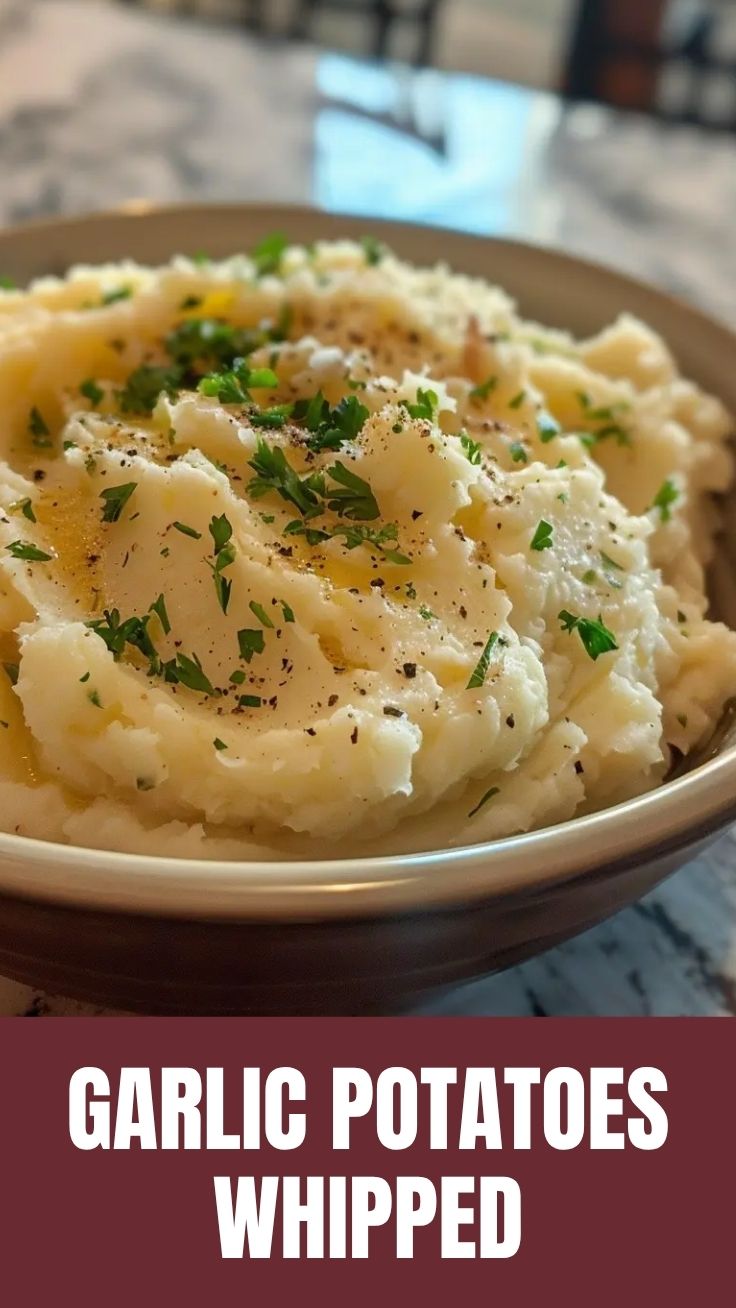
- Prep Time: 20 minutes (includes peeling and chopping potatoes, and prepping garlic)
- Cooking Time: 30-40 minutes (20-25 minutes for boiling potatoes, 20-30 minutes for roasting garlic)
- Resting Time: 5 minutes (after mashing, allows flavors to meld)
We recommend starting the roasted garlic first, as it takes the longest. While the garlic roasts, you can prepare and boil your potatoes. This ensures everything finishes around the same time, allowing for a seamless integration of flavors.
Step-by-Step Instructions
1. Roast the Garlic: Preheat your oven to 400°F (200°C). Slice off the top 1/4 inch of the garlic head to expose the cloves. Drizzle with a little olive oil, wrap in foil, and roast for 20-30 minutes, or until soft and golden brown. Once cooled, squeeze the soft cloves out of their skins. This roasted garlic is the secret weapon for deep, mellow flavor in your Garlic Mashed Potatoes.
2. Prepare Potatoes: Peel the potatoes and cut them into 1-inch uniform cubes. This ensures even cooking.
3. Boil Potatoes: Place the potato cubes in a large pot and cover with cold water by about an inch. Add a generous pinch of salt to the water. Bring to a boil, then reduce heat and simmer for 15-20 minutes, or until fork-tender.
4. Drain Thoroughly: This is crucial! Drain the potatoes completely in a colander. Allow them to steam dry for a few minutes in the hot colander; this helps evaporate excess moisture, preventing watery mash.
5. Mash Potatoes: Return the hot, drained potatoes to the pot or a large mixing bowl. Add the roasted garlic cloves, butter, milk, sour cream, salt, and pepper. Mash with a potato masher or use a ricer for an extra-smooth consistency, until creamy and smooth. Be careful not to over-mash, as this can make them gluey.
6. Adjust and Serve: Taste and adjust seasoning as needed. If desired, stir in fresh parsley or chives for garnish.
Nutritional Benefits & Advantages
Potatoes, often unfairly maligned, are a fantastic source of vitamin C, vitamin B6, potassium, and fiber (especially with the skins left on, though not for typical mashed potatoes). Incorporating roasted garlic not only adds incredible flavor but also brings a host of health benefits, including antioxidant and anti-inflammatory properties. The dairy (or dairy-free alternatives) provides calcium and protein. This dish offers satisfying carbohydrates for energy and healthy fats for satiety, making it a comforting and nourishing side.
Tips, Variations & Cooking Advice
- Flavor Boost: For an even richer flavor, infuse the milk with a bay leaf or a sprig of rosemary while gently warming it before adding to the potatoes.
- Creamy vs. Fluffy: For an extra-creamy mash, use a potato ricer. For a slightly more rustic, fluffy texture, a traditional masher works perfectly.
- Dairy-Free: Substitute unsalted butter with a plant-based butter, whole milk with unsweetened almond or oat milk, and sour cream with a dairy-free sour cream or plain unsweetened dairy-free yogurt.
- Cheesy Mash: Stir in a handful of grated Parmesan or sharp cheddar cheese at the end.
- Herbaceous: Experiment with other fresh herbs like thyme, rosemary, or chives.
Common Mistakes to Avoid
- Overboiling Potatoes: Leads to watery, mushy potatoes that absorb too much liquid. Cook until just fork-tender.
- Not Draining Thoroughly: Excess water makes for a bland, soupy mash. Steam-drying is key!
- Over-Mashing: Overworking the starches in potatoes can release too much starch, resulting in a gummy, gluey texture. Mash just until smooth.
- Cold Ingredients: Adding cold butter or milk can cool down the potatoes quickly and make them harder to mash smoothly. Gently warm liquids before adding.
- Not Salting the Water: Potatoes absorb flavor during cooking. Salting the boiling water seasons them from the inside out.
Storage & Meal Prep Tips
Leftover Garlic Mashed Potatoes can be stored in an airtight container in the refrigerator for up to 3-4 days. They are not ideal for freezing, as the texture can become mealy upon thawing. To reheat, gently warm them on the stovetop over low heat, adding a splash of milk or cream to restore creaminess. You can also reheat them in the microwave, stirring occasionally, until heated through.
Conclusion
There you have it – your definitive guide to creating the most incredible Garlic Mashed Potatoes! By mastering the simple techniques outlined above, particularly the magic of expertly prepared roasted garlic, you’re not just making a side dish; you’re crafting an experience. This recipe is a testament to how simple ingredients can be transformed into something truly special with a little care and attention. We encourage you to try this recipe, experiment with the variations, and share your delicious results! What are your favorite additions to mashed potatoes?
FAQs
Q1: Can I make these ahead of time?
A1: While best fresh, you can make them a day in advance and reheat gently per the instructions above, adding extra liquid as needed.
Q2: What’s the best way to get super smooth mashed potatoes?
A2: A potato ricer is your best friend for achieving an incredibly smooth and lump-free texture.
Q3: Can I use garlic powder instead of fresh garlic?
A3: While you can, it won’t yield the same deep, mellow, and slightly sweet flavor as fresh, roasted garlic. We highly recommend using fresh for this recipe.
Q4: My mashed potatoes are gluey. What went wrong?
A4: You likely over-mashed them. This releases too much starch, making them gummy. Mash until just smooth, and avoid using a food processor.
Q5: How can I make them even creamier?
A5: Increase the butter and/or cream content slightly, or incorporate a bit of cream cheese for an extra rich and tangy twist.
Quick way to grow perfect Garlic Mashed Potatoes
Ingredients
Equipment
Method
- Peel and quarter the potatoes, then place them in a large pot and cover with cold, salted water.
- Bring the water to a boil and cook the potatoes for 15-20 minutes, or until they are tender enough to be easily pierced with a fork.
- Drain the cooked potatoes and return them to the empty pot. Mash the potatoes using a potato masher or fork until smooth.
- Add the roasted garlic, butter, and warm milk to the mashed potatoes. Mix until fully incorporated and creamy.
- Season with salt and black pepper to taste, then serve warm.