Why You Should Make Pasta Primavera at Home
Have you ever wondered why restaurant pasta dishes taste so much brighter and more vibrant than the ones you whip up on a busy weeknight? The secret often lies in technique and timing, especially with a vegetable-forward dish like Pasta Primavera. This classic Italian-American staple celebrates the peak of seasonal produce, turning humble zucchini, bell peppers, and cherry tomatoes into a symphony of flavors. Preparing it at home isn’t just about saving money—it’s about taking control of quality, customizing the vegetables to what’s freshest at your local market, and mastering the art of a light, non-creamy sauce that clings perfectly to every strand of pasta. Whether you’re looking for a quick weeknight dinner or an impressive meatless meal, mastering this dish will transform your home cooking.
Ingredients & Kitchen Tools
For the Pasta Base:
– 12 oz (340g) dried pasta – Penne, fettuccine, or farfalle work best. Gluten-free alternatives can be substituted.
– 3 tbsp extra-virgin olive oil – High-quality oil for sautéing and finishing.
For the Vegetables:
– 1 medium zucchini (diced into ½-inch pieces) – Adds tender texture and mild sweetness.
– 1 medium yellow squash (diced) – Balances the zucchini with a slightly firmer bite.
– 1 red bell pepper (thinly sliced) – Provides sweetness and vibrant color.
– 1 cup cherry tomatoes (halved) – Bursting acidity brightens the dish.
– 2 cloves garlic (minced) – Essential for aromatic depth.
Flavor Finishers:
– ¼ cup grated Parmesan cheese – Use fresh, high-quality Parmigiano-Reggiano for best results.
– ¼ cup fresh basil leaves (chiffonade) – Adds a peppery, sweet finish.
– Salt and black pepper (to taste) – Control seasoning precisely.
Kitchen Tools Required:
– Large pot (for pasta)
– Large skillet or sauté pan (12-inch recommended)
– Colander
– Chef’s knife and cutting board
– Wooden spoon or silicone spatula
Optional Substitutions: Swap Parmesan for nutritional yeast (dairy-free), use gluten-free pasta, or replace basil with fresh parsley or oregano. Small broccolini florets can substitute for zucchini.
Prep Time & Cooking Schedule
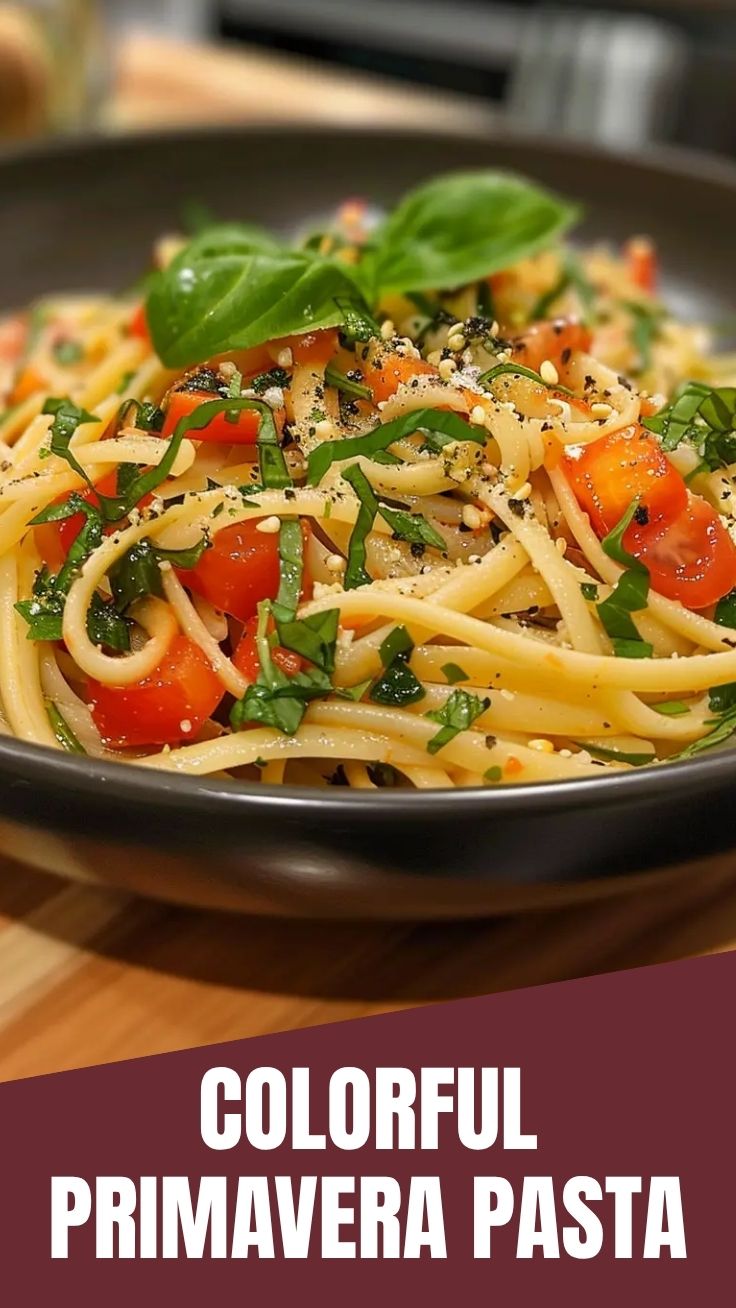
– Prep Time: 15 minutes (wash, dice, mince)
– Cook Time: 12–15 minutes total
– Resting Time: 1–2 minutes before serving (allows sauce to thicken)
Planning Tip: Mise en place is crucial here. Since the entire cook time is under 20 minutes, prepping all vegetables before heating your water ensures you won’t scramble mid-cooking. Bring your pasta water to a boil while you chop—this parallel workflow saves at least 5 minutes.
Step-by-Step Instructions
1. Boil the pasta – Fill a large pot with 4 quarts of water and add 1 tablespoon of salt. Bring to a rolling boil. Add pasta and cook 2 minutes less than package directions (it will finish cooking in the sauce). Reserve 1 cup of pasta water before draining.
2. Sauté the hard vegetables – While pasta cooks, heat 2 tablespoons olive oil in a large skillet over medium-high heat. Add zucchini, yellow squash, and bell pepper. Cook undisturbed for 3 minutes to develop caramelization. Toss once and cook 2 more minutes until tender-crisp.
3. Add aromatics and tomatoes – Reduce heat to medium. Add minced garlic and cook 30 seconds until fragrant. Stir in cherry tomatoes and cook 2 minutes until they just begin to soften—resist the urge to mash them completely.
4. Combine pasta and vegetables – Add the drained pasta to the skillet along with ⅓ cup reserved pasta water. Toss everything vigorously for 1–2 minutes. The starchy water helps the sauce cling to the noodles. At this point, you’ll see why Pasta Primavera relies on emulsion rather than heavy cream for its silky finish.
5. Finish and serve – Remove from heat. Stir in Parmesan cheese and fresh basil. Taste and adjust salt and pepper. Drizzle remaining tablespoon olive oil over the top. For an even more satisfying meal, try this Primavera pasta recipe variation with grilled chicken or roasted chickpeas for added protein.
Texture Cue: Each vegetable should retain a slight bite—overcooking turns them mushy. Adjust heat if you see excessive browning.
Nutritional Benefits & Advantages
This dish delivers approximately 380 calories per serving, with 12g protein, 48g carbohydrates, and 10g healthy fat. The zucchini and bell peppers provide 35% of your daily vitamin C requirements and significant vitamin A from beta-carotene. Olive oil contributes heart-healthy monounsaturated fats, while whole-grain pasta adds 6g fiber per serving. The lack of heavy cream makes this naturally lower in saturated fat compared to Alfredo or carbonara versions, making it suitable for heart-conscious eaters or those watching cholesterol intake.
Tips Variations & Cooking Advice
– Seasonality swap: Use asparagus and peas in spring, roasted eggplant in fall, or frozen vegetable blends in winter.
– Protein boost: Add grilled shrimp, seared scallops, or crisp air-fried tofu.
– Pasta choice: Try farro, spelt, or lentil pasta for a higher-fiber version.
– Dairy-free option: Replace Parmesan with 2 tablespoons nutritional yeast plus 1 teaspoon white miso for umami depth.
– One-pan method: Cook pasta directly in the skillet with 2 cups broth for 10 minutes, then add vegetables for a quicker cleanup.
– Spice upgrade: Add red pepper flakes at the garlic stage for gentle heat, or finish with lemon zest for brightness.
Common Mistakes to Avoid
1. Overcooking vegetables: Sautéing at medium-high heat and working in batches prevents steaming. Crowding the pan drops temperature, turning frying into boiling.
2. Forgetting pasta water: Without it, the sauce won’t emulsify. Always reserve at least ½ cup before draining.
3. Adding cheese too early: Parmesan clumps over high heat. Always fold in off-heat.
4. Rinsing the pasta: The starch coating helps sauce stick. Drain but never rinse.
5. Using low-quality Parmesan: Pre-shredded versions contain anti-caking agents that prevent smooth melting. Buy a wedge and grate fresh.
Storage & Meal Prep Tips
Refrigeration: Store in an airtight container for up to 4 days. The vegetables will soften slightly but remain palatable.
Freezing: Not recommended—zucchini and squash become watery upon thawing. However, if you must, freeze in portions for up to 1 month. Thaw overnight and reheat with a splash of broth.
Reheating: Microwave on 70% power for 1–2 minutes, stirring halfway. For stovetop, add 1 tablespoon water per serving and toss over medium heat until hot. Avoid high heat which dries out the vegetables.
Meal Prep Strategy: Pre-chop all vegetables and store in separate containers for up to 2 days. Cook pasta fresh each time for best texture.
Conclusion
Mastering Pasta Primavera is more than following a recipe—it’s about learning to balance textures, build flavor through proper heat control, and celebrate what’s in season. This approach transforms a simple weeknight dinner into a restaurant-quality meal that’s both satisfying and nourishing. The best part? You can tweak the vegetables, pasta shape, and finishing touches to suit your tastes every single time. If you’re looking to expand your repertoire, this Primavera pasta recipe serves as a perfect foundation for endless creativity. Try it this week, share your results in the comments below, or explore our collection of spring-inspired dishes for more fresh ideas.
FAQs
1. Can I use frozen vegetables for Pasta Primavera?
Yes, but thaw and pat them dry first to avoid excess moisture. Sauté them on high heat to evaporate liquid quickly. Expect slightly softer texture than fresh.
2. Why is my sauce watery instead of coating the pasta?
Likely two issues: you didn’t reserve pasta water (you need the starch) or you overcrowded the pan. Cook vegetables in batches if needed, and always use ⅓ cup starchy water to create emulsion.
3. Can I make this without Parmesan for a dairy-free version?
Absolutely. Use 2 tablespoons nutritional yeast plus 1 tablespoon capers (rinsed and chopped) for umami. Alternatively, finish with toasted pine nuts for richness.
4. How do I keep the basil from turning black?
Add basil off-heat and toss gently. If prepping ahead, tear basil just before using—cutting exposes cells to oxidation. Store stems in water like a bouquet to extend freshness.
5. What’s the best pasta shape for this dish?
Short shapes like penne, farfalle, or rigatoni hold vegetable pieces well. Long pasta like linguine works too but requires more careful tossing to distribute ingredients evenly.
Best way to grow a perfect Pasta Primavera in 30 minutes
Ingredients
Equipment
Method
- Cook pasta according to package directions in salted water until al dente.
- While pasta cooks, heat olive oil in a large skillet over medium heat. Add garlic and cook for 1 minute until fragrant. Add broccoli, asparagus, zucchini, and bell pepper; cook for 5-7 minutes until tender-crisp.
- Drain the pasta, reserving 1/2 cup of pasta water. Add the cooked pasta, cherry tomatoes, vegetable broth, and lemon juice to the skillet with the vegetables. Toss to combine, adding a little pasta water if the sauce is too thick. Stir in Parmesan cheese and fresh basil. Season with salt and pepper to taste and serve immediately.