Crispy Buttermilk Fried Chicken: Your Ultimate Guide to Southern Perfection
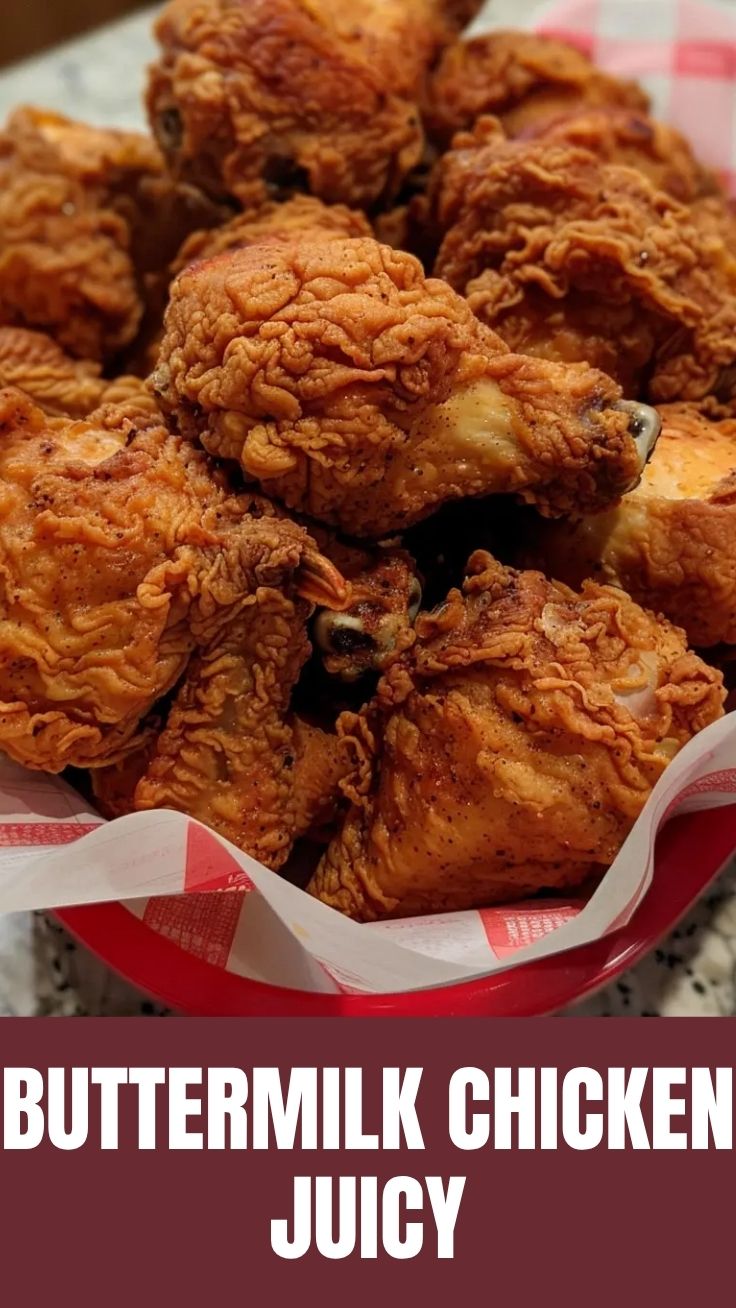
Ever wondered what the secret is to incredibly juicy, shatteringly crispy fried chicken? Today, we’re diving deep into the world of homemade Buttermilk Fried Chicken, a culinary masterpiece that promises an explosion of flavor and texture with every bite. Forget takeout; mastering this classic at home is not only immensely satisfying but also guarantees a fresher, more flavorful experience tailored to your exact preferences. This comprehensive guide will equip you with all the knowledge to achieve perfect results, transforming your kitchen into a haven of aromatic delights. Prepare to impress everyone with your newfound skills in crafting this iconic dish, a true testament to the art of homestyle cooking, reminiscent of the best Southern fried chicken.
Ingredients & Kitchen Tools
Crafting the perfect fried chicken requires quality ingredients and the right equipment. Here’s what you’ll need:
- Whole Chicken (3-4 pounds), cut into 8 pieces: Opt for fresh, high-quality chicken for the best flavor and texture. Dark meat and white meat pieces offer a variety.
- Buttermilk (2 cups): The star ingredient for tenderizing and adding a tangy depth. Full-fat buttermilk is preferred.
- All-Purpose Flour (2 cups): The foundation of our crispy coating.
- Cornstarch (1/2 cup): Enhances crispiness and helps achieve that golden-brown finish.
- Smoked Paprika (1 tbsp): Adds a smoky depth and beautiful color.
- Garlic Powder (1 tbsp): Essential for savory flavor.
- Onion Powder (1 tbsp): Complements the garlic for a well-rounded savory profile.
- Cayenne Pepper (1 tsp, optional): For a subtle kick; adjust to your spice preference.
- Black Pepper (1 tbsp): Freshly ground for maximum aroma.
- Salt (2 tbsp, divided): Essential for seasoning both the chicken and the flour mixture.
- Vegetable Oil or Peanut Oil (4-6 cups): For deep frying. Choose oils with a high smoke point.
- Large Mixing Bowls (2): One for the buttermilk marinade, one for the flour dredge.
- Whisk: To combine dry ingredients evenly.
- Tongs: For safely handling hot chicken.
- Heavy-Bottomed Pot or Dutch Oven: Ideal for maintaining consistent oil temperature.
- Meat Thermometer: Crucial for ensuring chicken is cooked through (internal temperature 165°F/74°C).
- Wire Rack with Baking Sheet: For draining excess oil and maintaining crispiness.
- Paper Towels: For blotting cooked chicken.
Prep Time & Cooking Schedule
- Prep Time: 20 minutes (active), plus 4-24 hours marinating time.
- Cook Time: 25-30 minutes per batch.
- Resting Time: 5-10 minutes after frying.
The marinating time is crucial for both tenderness and flavor absorption. Plan to marinate your chicken overnight for the best results, although a minimum of 4 hours will suffice. This extended soak allows the buttermilk’s lactic acid to break down muscle fibers, ensuring incredibly juicy chicken.
Step-by-Step Instructions
1. Prepare the Chicken: Pat the chicken pieces dry with paper towels. Season all over with 1 tablespoon of salt and 1 tablespoon of black pepper. This initial seasoning is key for flavor penetration.
2. Buttermilk Marinade: In a large bowl, combine the buttermilk, ensuring all chicken pieces are submerged. Cover and refrigerate for at least 4 hours, or preferably overnight. The longer the soak, the more tender and flavorful your Buttermilk Fried Chicken will be.
3. Dredging Station: In a separate large bowl, whisk together the flour, cornstarch, 1 tablespoon of salt, smoked paprika, garlic powder, onion powder, and cayenne pepper (if using). This dry mixture is critical for forming the signature crispy crust.
4. Dredge the Chicken: Remove chicken from the buttermilk, allowing excess to drip off but do not rinse. Transfer chicken pieces one by one into the flour mixture, ensuring each piece is fully coated. Press the flour mixture onto the chicken firmly to create a thick, shaggy coating. Set aside on a wire rack while you heat the oil. This step is a cornerstone of authentic Southern fried chicken.
5. Heat the Oil: Pour vegetable or peanut oil into a heavy-bottomed pot or Dutch oven until it’s about 2-3 inches deep. Heat the oil over medium-high heat to 325-350°F (160-175°C). Use a thermometer to monitor the temperature; consistency is key to even cooking.
6. Fry the Chicken: Carefully lower 2-3 chicken pieces into the hot oil, ensuring not to overcrowd the pot. Fry for about 6-8 minutes per side, turning occasionally, until golden brown and cooked through. The internal temperature of the thickest part should reach 165°F (74°C). Adjust heat as necessary to maintain the oil temperature—too low and it will be greasy, too high and it will burn on the outside before cooking through.
7. Drain and Rest: Remove fried chicken from the oil using tongs and place on a wire rack set over a baking sheet to drain excess oil. This allows air to circulate, keeping the chicken crispy. Lightly season with extra salt immediately after removing from oil.
8. Repeat: Continue frying the remaining chicken in batches, ensuring the oil returns to temperature between batches.
Nutritional Benefits & Advantages
Chicken is an excellent source of lean protein, essential for muscle building and repair. The buttermilk marinade not only tenderizes but also provides probiotics beneficial for gut health. While fried, opting for homemade allows you to control the quality of ingredients and oil used, offering a healthier alternative to many fast-food options. A serving provides substantial protein and essential vitamins and minerals like niacin, selenium, and phosphorus.
Tips, Variations & Cooking Advice
- Spice it up: Add a pinch of dried chili flakes or a dash of hot sauce to the buttermilk marinade for extra heat.
- Herbaceous flavors: Incorporate dried herbs like thyme, rosemary, or sage into the flour dredge for an aromatic twist.
- Gluten-Free Option: Substitute all-purpose flour with a gluten-free flour blend for a celiac-friendly version. Ensure your chosen blend includes xanthan gum for structure.
- Air Fryer Method: For a healthier alternative, after dredging, lightly spray the chicken with oil and air fry at 375°F (190°C) for 20-25 minutes, flipping halfway, until golden and cooked through.
- Double Dredge for Extra Crisp: For an even thicker, crispier crust, after the first dredge, dip the chicken back into the buttermilk (or a separate bowl of plain buttermilk) and then into the flour mixture again.
Common Mistakes to Avoid
- Overcrowding the Pot: This lowers the oil temperature dramatically, resulting in greasy, soggy chicken. Fry in batches.
- Not Monitoring Oil Temperature: Too low, and the chicken becomes oily; too high, and it burns before cooking through. A thermometer is your best friend.
- Skipping the Marinade: The buttermilk is crucial for tenderness and flavor. Don’t rush this step.
- Not Seasoning Enough: bland chicken is a common mistake. Season at every stage.
- Draining on Paper Towels Only: While useful for initial blotting, paper towels can steam the bottom of the chicken, making it soggy. Always finish draining on a wire rack.
Storage & Meal Prep Tips
Leftover fried chicken can be stored in an airtight container in the refrigerator for up to 3-4 days. To reheat and maintain crispiness, it’s best to use an oven or air fryer. Reheat at 375°F (190°C) for 10-15 minutes, or until warmed through and crispy. Freezing is possible for longer storage (up to 2-3 months). Wrap individual pieces tightly in plastic wrap and then foil before freezing. Thaw in the refrigerator overnight before reheating.
Conclusion
Mastering homemade Buttermilk Fried Chicken is a rewarding culinary journey that brings unparalleled flavor and comfort to your table. From the tangy marinade to the perfectly seasoned, shatteringly crisp crust, each step contributes to a dish that embodies the very best of home cooking. This recipe allows you to experience the authentic taste and soul-satisfying crunch that is synonymous with the finest Southern fried chicken. We encourage you to try this recipe, experiment with the suggested variations, and share your delicious results with your loved ones. Elevate your culinary game and create unforgettable meals right in your own kitchen!
FAQs
Q1: Can I use regular milk instead of buttermilk?
A1: While buttermilk is highly recommended for its tenderizing properties and unique tangy flavor, you can make a substitute by adding 1 tablespoon of lemon juice or white vinegar to regular milk (2 cups) and letting it sit for 5-10 minutes until it curdles. However, the tenderizing effect will be less pronounced.
Q2: How do I know when the oil is at the right temperature without a thermometer?
A2: You can test the oil by dropping a small pinch of flour into it. If it sizzles gently and immediately, the oil is ready. If it burns instantly, it’s too hot; if nothing happens, it’s not hot enough. A thermometer is always the most accurate method.
Q3: My fried chicken is crispy but dry inside. What went wrong?
A3: This usually happens if the oil temperature was too high, causing the exterior to cook too quickly while the inside dries out, or if the chicken was overcooked. Ensure proper oil temperature and use a meat thermometer to pull the chicken once it reaches 165°F (74°C).
Q4: Can I marinate the chicken for longer than 24 hours?
A4: While a longer marinade can enhance flavor, marinating for more than 24 hours can cause the chicken to become mushy due to the lactic acid in the buttermilk breaking down the protein too much. Stick to the 4-24 hour window.
Q5: How can I prevent the coating from falling off during frying?
A5: Ensure your chicken is patted dry before marinating and dredging. Also, press the flour mixture firmly onto the chicken to create a thick, well-adhered coating. Lastly, let the breaded chicken rest for 15-20 minutes before frying; this helps the coating adhere better.
Best way to grow crispy Buttermilk Fried Chicken in 5 steps
Ingredients
Equipment
Method
- Marinate the chicken pieces in buttermilk in a large bowl for at least 30 minutes, or preferably overnight in the refrigerator.
- In a separate shallow dish, whisk together the flour, salt, black pepper, paprika, garlic powder, and onion powder until well combined.
- Remove chicken from buttermilk, allowing excess to drip off, then dredge each piece thoroughly in the seasoned flour mixture, ensuring it's fully coated.
- Heat vegetable oil in a large, heavy-bottomed skillet or Dutch oven over medium-high heat to about 350°F (175°C), then carefully place chicken pieces in the hot oil without overcrowding, frying for 6-8 minutes per side or until golden brown and cooked through.
- Transfer the cooked chicken to a wire rack set over a paper towel-lined baking sheet to drain excess oil, then serve hot.