How to Make the Perfect Garden Salad: A Fresh and Flavorful Recipe
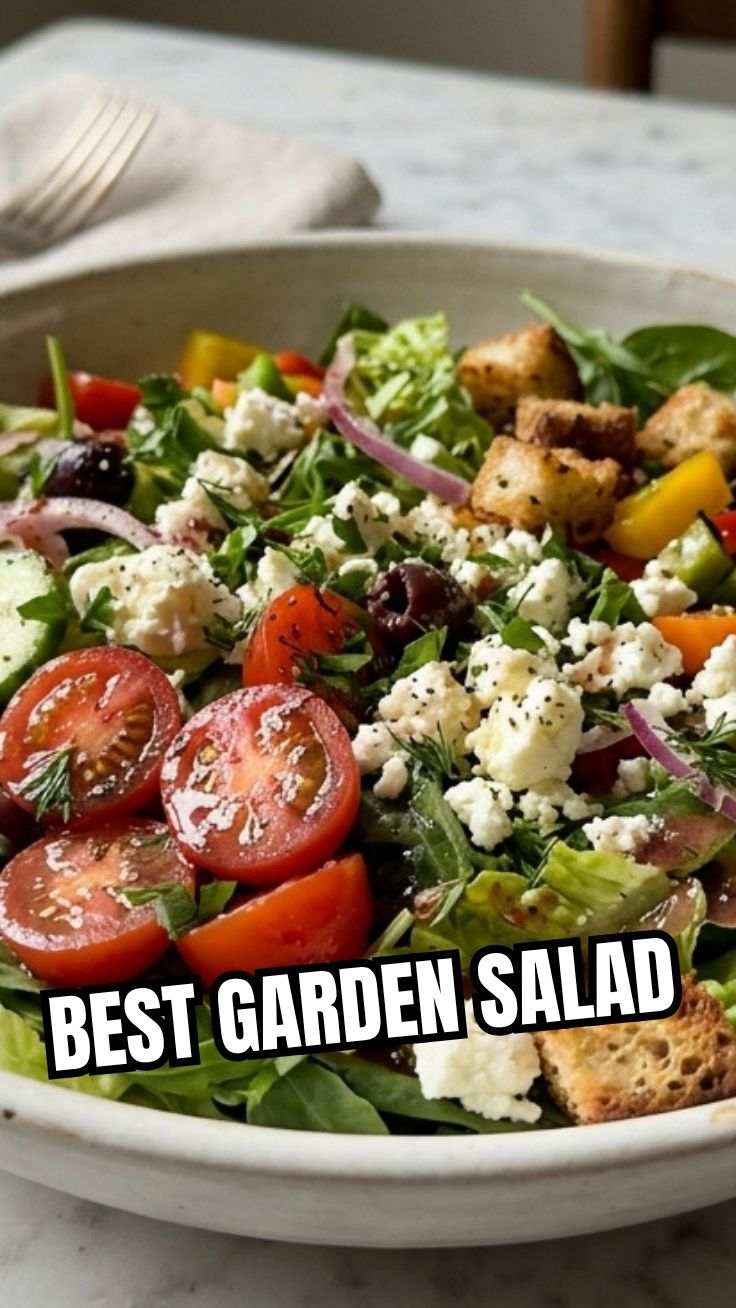
Have you ever wondered why store‑bought salads taste so flat compared to the vibrant ones you’ve had at a farm‑to‑table restaurant? The secret lies in using peak‑season produce and a simple, well‑balanced dressing. Preparing a Garden Salad at home not only gives you complete control over freshness and flavor, but it’s also far more economical and customizable than any pre‑packaged option. Once you master the basics, you can easily elevate your greens with seasonal ingredients like a beautiful Heirloom Tomato Salad as a side or addition. In this guide, you’ll learn the essential techniques to build a crisp, satisfying garden salad that turns simple vegetables into a star dish.
Ingredients & Kitchen Tools
For the Salad Base
– 4 cups mixed garden greens (romaine, butter lettuce, or arugula) – washed and thoroughly dried to prevent sogginess.
– 1 medium cucumber – sliced into half‑moons; use English cucumber for fewer seeds.
– 1 cup cherry or grape tomatoes – halved; choose ripe, local tomatoes for best flavor.
– ½ red onion – thinly sliced; soak in cold water for 10 minutes to mellow the bite.
– 1 small carrot – julienned or shaved with a peeler.
Optional Add‑Ins & Substitutions
– Crumbled feta or goat cheese (omit for dairy‑free), toasted nuts (almonds, walnuts), avocado, bell peppers, or fresh herbs (basil, parsley).
– Protein boost: grilled chicken, chickpeas, or hard‑boiled eggs.
For the Dressing
– 3 tbsp extra‑virgin olive oil
– 1 tbsp red wine vinegar or fresh lemon juice
– 1 tsp Dijon mustard (emulsifier)
– 1 small garlic clove – minced
– Salt and black pepper to taste
Kitchen Tools: Large salad bowl, chef’s knife, cutting board, vegetable peeler, salad spinner (or clean kitchen towel), measuring spoons, small whisk or jar for dressing.
Prep Time & Cooking Schedule
Prep time: 15 minutes
No cooking required – this is a raw salad, perfect for quick meal assembly.
Resting time: 2–3 minutes after dressing (allows flavors to meld without wilting the greens).
Plan to make the dressing first, then wash and chop vegetables while it sits. If you’re serving the salad later, keep the dressing separate and toss just before eating.
Step‑by‑Step Instructions
1. Wash and dry the greens thoroughly – damp greens dilute the dressing and make the salad watery. Use a salad spinner or lay them on a clean towel and roll up gently.
2. Prepare the vegetables: Slice the cucumber, halve the cherry tomatoes, thinly slice the red onion, and julienne the carrot. For a milder onion flavor, soak the slices in ice water for 10 minutes, then drain.
3. Make the dressing: In a small bowl or jar, whisk together olive oil, vinegar or lemon juice, Dijon mustard, minced garlic, a pinch of salt, and a few grinds of black pepper. Taste and adjust acidity or salt.
4. Assemble the salad: Place the dried greens in a large bowl. Add cucumber, tomatoes, onion, and carrot. Drizzle about ⅔ of the dressing over the top and toss gently with your hands or tongs until evenly coated. Add more dressing only if needed.
Tip: For a more robust flavor profile, consider serving a side of Heirloom Tomato Salad – the sweet, acidic tomatoes complement the fresh greens beautifully and add a burst of color. This Garden Salad is the perfect canvas for such additions.
5. Finish and serve: Sprinkle any optional toppings (cheese, nuts, herbs) over the salad to maintain their texture. Serve immediately for maximum crunch.
Nutritional Benefits & Advantages
This garden salad is a powerhouse of micronutrients. The dark leafy greens provide vitamin K, folate, and iron, while tomatoes contribute lycopene—a potent antioxidant linked to heart health. Cucumbers are hydrating and low in calories, and the olive‑oil‑based dressing supplies healthy monounsaturated fats that aid absorption of fat‑soluble vitamins (A, D, E, K). A single serving (with dressing) contains roughly 150–200 calories, making it an excellent choice for weight management or a light yet satisfying meal. The fiber from vegetables also supports digestive health.
Tips, Variations & Cooking Advice
– Flavor tweaks: Add fresh herbs like dill or tarragon to the dressing. Swap red wine vinegar for balsamic or apple cider vinegar.
– Ingredient swaps: Use kale or spinach instead of lettuce (massage kale with a little olive oil to soften). Replace cucumber with zucchini ribbons.
– Dietary adaptations: Omit cheese and use a nut‑based dressing for vegan/gluten‑free. For a low‑FODMAP version, use red bell pepper instead of onion.
– Portion change: Make it a main dish by adding grilled salmon or quinoa (½ cup per serving).
– Seasonal variation: In summer, add fresh corn kernels and sliced peaches; in fall, use roasted butternut squash cubes and pomegranate seeds.
Common Mistakes to Avoid
– Washing greens too early – moisture trapped in leaves leads to soggy salad. Wash and dry only when ready to eat, or store washed greens in a sealed container lined with paper towels.
– Over‑dressing – start with less dressing than you think you need; you can always add more. Too much dressing drowns flavors and makes the salad limp.
– Skipping the drying step – even a little water prevents dressing from clinging properly. Always spin or pat greens dry.
– Cutting vegetables too far in advance – cut tomatoes and cucumbers release water over time. Chop them just before serving.
Storage & Meal Prep Tips
– Refrigerating leftovers: Store undressed salad in an airtight container with a paper towel to absorb excess moisture. Dressed salad should be eaten within 2–3 hours for best texture.
– Dressing: Keep dressing in a sealed jar in the refrigerator for up to 1 week. Shake before using.
– Freezing: Not recommended – greens become limp and watery upon thawing. If you have leftover dressing, freeze it in ice cube trays for quick portions.
– Reheating: Not applicable for raw salads. For wilted greens (e.g., leftover dressed salad), you can quickly sauté them in a pan with a little oil for a warm side dish.
Conclusion
Building a fresh, crisp Garden Salad at home is a skill that rewards you with endless variety, better nutrition, and superior taste. By following the steps above—choosing quality greens, balancing your dressing, and adding seasonal accents like a vibrant Heirloom Tomato Salad—you can transform a simple bowl of vegetables into a memorable meal. The key is to respect each ingredient’s texture and let the natural flavors shine. Try this recipe tonight, swap in your favorite toppings, and share your creation with friends. Happy salad making!
FAQs
1. Can I substitute the dressing ingredients?
Yes. Use any oil‑to‑acid ratio of 3:1 (e.g., 3 tbsp oil to 1 tbsp vinegar). Greek yogurt or tahini can replace oil for a creamy, lower‑fat version.
2. How do I prevent the salad from becoming watery after adding tomatoes?
Remove the seeds from tomatoes before chopping, or use drier varieties like Roma. Also, pat halved cherry tomatoes with a paper towel.
3. What’s the best way to crisp limp lettuce?
Submerge the leaves in ice water for 10 minutes, then spin dry. This revives wilted greens effectively.
4. Can I make this salad ahead for a party?
Yes. Prep all vegetables and dressing separately. Store each in the fridge. Toss everything together just before serving.
5. How can I add more protein without changing the flavor profile?
Add grilled chicken, canned tuna, chickpeas, or a sprinkle of hemp seeds. For a vegan option, marinated tofu works well.