The Ultimate Guide to Baking a Perfect Carrot Cake with Cream Cheese Frosting
Have you ever bitten into a slice of Carrot Cake that was so moist, so perfectly spiced, and so rich with cream cheese goodness that you swore it came from a bakery? What if I told you that you could recreate that magic in your own kitchen, with better ingredients, tailored sweetness, and zero preservatives? Preparing this classic dessert at home isn’t just rewarding—it gives you complete control over texture, flavor, and nutritional balance. Whether you’re a weekend baker or a seasoned pastry enthusiast, mastering this Carrot Cake Recipe will elevate your baking game and impress every guest. In this guide, we’ll break down every step, from selecting fresh carrots to wrapping the final slice, ensuring you achieve bakery-quality results every time.
Ingredients & Kitchen Tools
Required Ingredients
– 2 cups all-purpose flour (or gluten-free 1:1 blend)
– 2 teaspoons baking powder (ensures proper rise)
– 1 teaspoon baking soda (reacts with buttermilk for tenderness)
– 1/2 teaspoon salt
– 2 teaspoons ground cinnamon (warming spice, can sub with pumpkin pie spice)
– 1/2 teaspoon ground nutmeg (freshly grated preferred)
– 1/2 teaspoon ground ginger (adds gentle heat)
– 1 cup granulated sugar (use coconut sugar for lower glycemic index)
– 1 cup packed light brown sugar (adds moisture and depth)
– 1 cup vegetable oil (or melted coconut oil for subtle flavor)
– 4 large eggs (room temperature—essential for emulsion)
– 2 teaspoons vanilla extract
– 2 cups finely grated carrots (about 4 medium carrots, peeled)
– 1/2 cup crushed pineapple, drained (natural sweetener and moisture booster)
– 1/2 cup chopped walnuts or pecans (optional, for crunch)
– 1/2 cup shredded unsweetened coconut (adds texture)
For Cream Cheese Frosting
– 8 oz cream cheese, softened (full-fat for best stability)
– 1/2 cup unsalted butter, softened
– 4 cups powdered sugar (sifted to avoid lumps)
– 1 teaspoon vanilla extract
– Pinch of salt
Kitchen Tools
– 9-inch round cake pans (2) or 9×13-inch baking dish
– Parchment paper rounds
– Electric hand mixer or stand mixer
– Box grater or food processor with grating disc
– Rubber spatula
– Cooling rack
– Offset spatula (for smooth frosting)
Prep Time & Cooking Schedule
– Prep Time: 25 minutes (grating carrots, measuring ingredients, greasing pans)
– Baking Time: 28–32 minutes at 350°F (175°C)
– Cooling Time: 1 hour in pans, then 1 hour on rack (crucial for frosting)
– Frosting Assembly: 15 minutes
– Total Time: Approximately 3 hours (mostly passive cooling)
Pro Tip: Bake the cake layers a day ahead—wrap them tightly in plastic wrap after cooling, store at room temperature, and frost the next day. This deepens the spice flavors and makes assembly stress-free.
Step-by-Step Instructions
1. Preheat & Prepare Pans: Preheat your oven to 350°F (175°C). Grease two 9-inch round cake pans and line the bottoms with parchment paper circles. This guarantees clean release.
2. Mix Dry Ingredients: In a medium bowl, whisk together flour, baking powder, baking soda, salt, cinnamon, nutmeg, and ginger. Set aside. Pro tip: Sift if your baking soda or powder has clumps.
3. Combine Wet Ingredients: In a large bowl, beat granulated sugar, brown sugar, and oil until well combined. Add eggs one at a time, beating well after each addition. Stir in vanilla extract. The mixture should look thick and glossy.
4. Incorporate Vegetables & Nuts: Fold in grated carrots, drained crushed pineapple, walnuts (if using), and shredded coconut. The batter will look chunky and vibrant.
5. Combine Wet & Dry: Gradually add the dry ingredients to the wet mixture, folding gently with a spatula until just combined. Do not overmix—overworking creates dense cake. The final batter will be thick but pourable.
6. Bake: Divide batter evenly between prepared pans. Bake for 28–32 minutes, until a toothpick inserted in the center comes out clean or with a few moist crumbs. Rotate pans halfway through for even browning.
7. Cool Properly: Let cakes rest in pans for 10 minutes, then turn out onto a cooling rack. Remove parchment paper and cool completely—at least 1 hour. Never frost a warm cake; the frosting will melt into a puddle.
8. Make Cream Cheese Frosting: Beat softened cream cheese and butter together until smooth (about 2 minutes). Gradually add powdered sugar, then vanilla and salt. Beat on low until combined, then high for 30 seconds until fluffy. Temperature check: If frosting seems too soft, refrigerate 15 minutes before spreading.
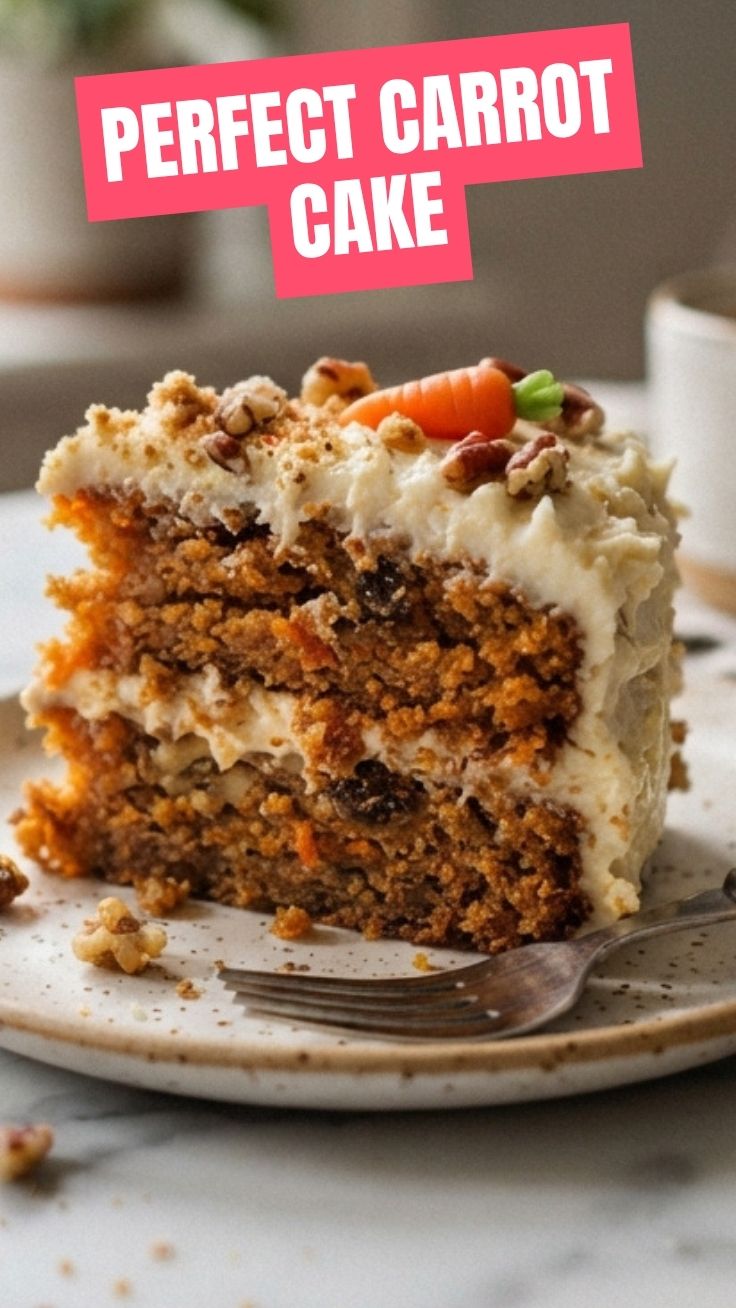
9. Assemble & Frost: Place one cake layer on a serving plate, spread a generous layer of frosting, then add second layer. Apply a thin crumb coat (a base layer to trap crumbs), refrigerate 15 minutes, then finish with remaining frosting. This Carrot Cake is all about layers of flavor and creamy contrast. Following this exact Carrot Cake Recipe ensures a perfectly spiced, moist crumb that pairs beautifully with tangy cream cheese.
Nutritional Benefits & Advantages
Carrots are rich in beta-carotene (converted to vitamin A), which supports eye health and immune function. Pineapple adds bromelain, an anti-inflammatory enzyme, while walnuts provide omega-3 fatty acids and antioxidants. Coconut contributes medium-chain triglycerides (MCTs) for sustained energy. By baking at home, you control the sugar content—reduce granulated sugar to 3/4 cup for a less sweet but equally moist version. This dessert offers more fiber and micronutrients than standard cakes, making it a more balanced indulgence.
Tips Variations & Cooking Advice
– Gluten-Free Version: Substitute 1:1 gluten-free baking flour plus 1/2 teaspoon xanthan gum (if not included).
– Dairy-Free Adaptation: Use vegan cream cheese and plant-based butter (e.g., Miyoko’s) for frosting; replace buttermilk in batter (if using) with oat milk + 1 tsp lemon juice.
– Spice Boost: Add 1/4 teaspoon ground cardamom or cloves for deeper warmth.
– Nuts-Free: Replace walnuts with toasted sunflower seeds or extra coconut.
– Sheet Cake Variation: Pour batter into greased 9×13-inch pan; bake 35–40 minutes. Double frosting recipe for proper coverage.
– Cupcakes: Bake 18–20 minutes for standard cupcakes; yields ~24.
Common Mistakes to Avoid
1. Not Draining Pineapple Properly: Excess liquid makes cake soggy. Press crushed pineapple in a fine-mesh strainer or paper towels.
2. Overmixing Batter: Leads to tough, rubbery texture. Fold until streaks of flour disappear—lumps are fine.
3. Skipping Room Temperature Ingredients: Cold eggs and cream cheese won’t emulsify properly, causing curdled batter or grainy frosting.
4. Rushing Cooling Time: Warm cake melts frosting into a mess. Use a cooling rack and wait the full 2 hours.
5. Using Pre-shredded Carrots: They’re too thick and dry. Freshly grate whole carrots for maximum moisture and sweetness.
Storage & Meal Prep Tips
– Refrigeration: Store frosted cake in an airtight container in the fridge for up to 5 days. Bring to room temperature 20 minutes before serving for best texture.
– Freezing Unfrosted Layers: Wrap each cooled layer tightly in plastic wrap, then foil. Freeze up to 3 months. Thaw overnight in fridge before frosting.
– Freezing Frosted Cake: Freeze whole cake uncovered for 1 hour until frosting hardens, then wrap in plastic and foil. Thaw in fridge overnight—frosting may be slightly softer but still delicious.
– Reheating: For a warm serving (optional), microwave individual slices for 10–15 seconds. Do not reheat the entire cake.
Conclusion
Mastering a classic like this Carrot Cake is about understanding the balance of moisture, spice, and texture—and the joy of sharing a slice made from scratch. By following this detailed Carrot Cake Recipe, you’ve learned how to avoid common pitfalls, adapt to dietary needs, and store your creation for lasting freshness. The aroma of cinnamon and nutmeg filling your kitchen is just the beginning. I encourage you to try this recipe this weekend, share a photo of your masterpiece on social media, and tag a fellow baking enthusiast. Each batch is a canvas—experiment with frostings, spices, or add-ins, and make it uniquely yours.
FAQs
1. Can I use store-bought shredded carrots?
Highly discouraged. Pre-shredded carrots are dry and lack the natural moisture that makes carrot cake tender. Grate whole carrots using a box grater for best results.
2. Why did my cream cheese frosting turn out runny?
Most likely, cream cheese or butter was too soft. Ensure both are at cool room temperature (65–68°F). If frosting becomes runny, refrigerate 15 minutes and re-beat gently. You can also add 1–2 tablespoons more powdered sugar.
3. Can I substitute applesauce for oil?
Yes, replace up to half the oil (1/2 cup) with unsweetened applesauce for lower fat. The cake will be slightly denser but still moist. Avoid full substitution as oil provides necessary tenderness.
4. How do I know when the cake is done without a toothpick?
Gently press the center—it should spring back. The edges will pull away from the pan, and a faint crack may appear on top. An instant-read thermometer inserted into center should read 200–205°F.
5. Can I make this recipe vegan?
Absolutely. Replace eggs with flax eggs (1 tbsp ground flax + 3 tbsp water per egg, let sit 5 minutes). Use vegan butter and cream cheese for frosting. Note the texture may be slightly denser but still delicious.
Proven way to grow Carrot Cake | 7 Tips
Ingredients
Equipment
Method
- Select a site with full sun and well-draining, loose, stone-free soil. Incorporate organic matter to improve soil fertility and texture.
- Sow carrot seeds thinly about 1/4 to 1/2 inch deep in rows, spacing rows about 12-18 inches apart. Lightly cover with soil and gently pat down.
- Water the seeded area immediately after planting to ensure good seed-to-soil contact. Keep the soil consistently moist but not waterlogged throughout the germination and growth period.
- Once seedlings emerge and are a few inches tall, thin them to 2-4 inches apart to allow proper root development and growth.
- Apply a layer of mulch around the plants to conserve moisture, regulate soil temperature, and suppress weeds. Ensure the mulch doesn't touch the base of the seedlings.
- Monitor for common pests like carrot rust flies and diseases such as blight. Use organic pest control methods and maintain good air circulation.
- Harvest carrots when they reach the desired size, typically 60-75 days after planting. Loosen the soil around the carrots before gently pulling them out to avoid breakage.