Mediterranean Chicken Stir Fry: A Quick, Healthy Dinner Solution
Introduction
Have you ever stared into your fridge after a long day, wondering how to turn a few random vegetables and a piece of chicken into something exciting? You are not alone. This Mediterranean-inspired Chicken Stir Fry is the answer to your weeknight dinner dilemma. It brings together lean protein, vibrant vegetables, and bold Mediterranean flavors in under 30 minutes. Preparing this dish at home is valuable because it gives you full control over ingredients, sodium levels, and cooking oils, making it far superior to takeout. If you are searching for Healthy stir fry recipes, this one delivers on taste, nutrition, and convenience without compromising on authenticity.
Ingredients & Kitchen Tools
Main Ingredients
- Boneless, skinless chicken breasts (1 lb / 450 g): Lean protein that cooks quickly. Slice against the grain for tenderness.
- Red bell pepper (1 medium): Adds sweetness and crunch. Seed and slice into thin strips.
- Zucchini (1 medium): Provides moisture and a mild flavor. Cut into half-moons.
- Red onion (½ large): Offers a sharp, slightly sweet note when sautéed. Slice thinly.
- Cherry tomatoes (1 cup): Burst for juiciness. Leave whole or halve if large.
- Kalamata olives (¼ cup): Brings briny, savory depth. Pit and slice.
- Fresh spinach (2 cups): Wilted at the end for extra nutrients.
- Garlic (3 cloves): Mince finely for aromatic base.
- Olive oil (2 tbsp): Use extra virgin for authentic Mediterranean flavor.
- Dried oregano (1 tsp) & dried basil (1 tsp): Classic Mediterranean herbs.
- Salt and black pepper (to taste): Season each layer.
- Lemon juice (1 tbsp, optional): Brightens the final dish.
Kitchen Tools
- Large skillet or wok (12-inch / 30 cm): Ensures even browning without overcrowding.
- Sharp chef’s knife & cutting board: For precise, uniform cuts.
- Measuring spoons & cups: For consistent seasoning.
- Wooden spoon or spatula: For stirring without scratching non-stick surfaces.
- Small bowls (for prepped ingredients): Speeds up cooking flow.
Optional Substitutions
- Chicken thighs: More forgiving if slightly overcooked, juicier than breasts.
- Yellow squash or eggplant: Replace zucchini for different texture.
- Sun-dried tomatoes (oil-packed): Substitute for cherry tomatoes for intensified flavor.
- Feta cheese (optional garnish): Adds creamy saltiness; omit for dairy-free.
Prep Time & Cooking Schedule
- Prep time: 15 minutes (washing, chopping, mincing garlic).
- Cook time: 12 minutes (sear chicken, sauté vegetables, combine).
- Total time: 27 minutes.
- Resting time (optional): 2 minutes after cooking for flavors to meld.
- Marinating time: None required, but you can marinate chicken in olive oil, lemon juice, oregano, and salt for 30 minutes if you want deeper flavor. Plan accordingly.
This schedule is perfect for a busy weeknight. Prep your vegetables while the chicken rests after slicing, and you will have a hot meal ready in under half an hour.
Step-by-Step Instructions
- Prepare the chicken: Pat the chicken breasts dry with paper towels. Slice them into thin strips (about ¼-inch thick) against the grain. Season generously with salt, pepper, and half the dried oregano and basil. Toss to coat evenly.
- Heat the pan: Place your large skillet or wok over medium-high heat. Add 1 tablespoon of olive oil. Wait until the oil shimmers – this indicates the pan is hot enough for a proper sear.
- Sear the chicken: Add the chicken strips in a single layer. Do not overcrowd the pan; cook in two batches if needed. Sear for 3–4 minutes per side until golden brown and cooked through (internal temperature 165°F / 74°C). Transfer to a clean plate and set aside.
- Sauté aromatics: Reduce heat to medium. Add the remaining 1 tablespoon olive oil. Sauté the sliced red onion for 2 minutes until starting to soften. Add the minced garlic and cook for 30 seconds until fragrant. Stir constantly to prevent burning.
- Cook the vegetables: Add the bell pepper strips and zucchini. Sauté for 3–4 minutes, stirring occasionally. The vegetables should be tender-crisp – still bright in color with a slight bite. If you prefer softer vegetables, cook an additional 1–2 minutes.
- Add tomatoes and olives: Toss in the cherry tomatoes and sliced Kalamata olives. Cook for 1 minute, letting the tomatoes soften slightly and release their juices.
- Combine everything: Return the cooked chicken to the pan. Add the fresh spinach and the remaining dried herbs. Stir gently for 1–2 minutes until the spinach wilts. If the pan looks dry, add a splash of water or chicken broth. Squeeze lemon juice over the top and stir.
- Taste and adjust: Sample a piece of chicken and a vegetable. Adjust salt, pepper, or herbs as needed. This Chicken Stir Fry is now ready to serve. For those seeking Healthy stir fry recipes, this step is where you can control the final seasoning to keep sodium low.
- Serve immediately: Spoon the stir fry over cooked quinoa, brown rice, or whole-wheat couscous. Garnish with crumbled feta cheese or fresh parsley if desired.
Nutritional Benefits & Advantages
This dish is a nutritional powerhouse. Chicken breast provides high-quality lean protein – about 30 grams per serving – which supports muscle maintenance and satiety. The colorful vegetables (bell pepper, zucchini, spinach, tomatoes) deliver a wide range of vitamins: vitamin C from bell peppers, vitamin A from spinach, and lycopene (a powerful antioxidant) from cooked tomatoes. Olive oil contributes heart-healthy monounsaturated fats and anti-inflammatory polyphenols. Kalamata olives add a dose of healthy fats and iron. Because this recipe uses minimal added oil and no heavy sauces, it is naturally low in saturated fat and calories. A single serving (approximately 1.5 cups of stir fry) contains roughly 350–400 calories, 35 grams of protein, 12 grams of healthy fat, and 15 grams of carbohydrates. This makes it an excellent choice for weight management, heart health, and balanced blood sugar levels. The Mediterranean diet, which this recipe embodies, is consistently ranked among the healthiest eating patterns in the world.
Tips Variations & Cooking Advice
- Flavor variations: Swap oregano and basil for za’atar or sumac for a Middle Eastern twist. Add a pinch of red pepper flakes for heat.
- Ingredient swaps: Use shrimp or firm tofu instead of chicken. For a vegetarian version, double the tofu and add chickpeas.
- Alternative cooking methods: Cook on a sheet pan at 400°F (200°C) for 20 minutes for a hands-off approach. Or grill chicken and vegetables separately and toss together.
- Portion changes: Double the vegetables for a lower-calorie, higher-fiber meal. Serve over cauliflower rice for a low-carb option.
- Dietary adaptations: This recipe is naturally gluten-free if you avoid cross-contamination with grains. For dairy-free, skip the feta cheese garnish. To make it Whole30-compliant, use ghee instead of olive oil and omit the olives (if avoiding legumes).
- Texture tip: For extra crunch, add a handful of toasted pine nuts or sliced almonds just before serving.
Common Mistakes to Avoid
- Overcrowding the pan: This causes the chicken to steam instead of sear, resulting in a pale, rubbery texture. Always cook in batches if necessary.
- Adding spinach too early: Spinach cooks in seconds. If added too soon, it will turn into a slimy, overcooked mess. Add it only in the final minute.
- Undercooking the chicken: Use a meat thermometer to check for 165°F (74°C). If you do not have one, cut into the thickest piece – juices should run clear and no pink flesh should remain.
- Cutting vegetables unevenly: Uneven pieces lead to inconsistent cooking. Some will be burnt while others are raw. Take an extra minute to cut uniform sizes.
- Using a cold pan: Adding oil to a cold pan causes chicken to stick and prevents proper browning. Always heat the pan first, then add oil.
Storage & Meal Prep Tips
- Refrigeration: Store leftovers in an airtight container within 2 hours of cooking. The stir fry will stay fresh for up to 4 days in the refrigerator.
- Freezing: This dish freezes well for up to 3 months. Place in a freezer-safe container, leaving ½ inch of headspace. Thaw overnight in the refrigerator before reheating. Note: spinach may be slightly softer after freezing, but flavor remains excellent.
- Reheating: For best results, reheat in a skillet over medium heat with a splash of water or broth. Stir frequently for 3–4 minutes until hot throughout. Avoid microwaving at full power, as it can make the chicken rubbery. If using a microwave, cover with a damp paper towel and heat in 30-second bursts.
- Meal prep strategy: Prep the vegetables and slice the chicken up to 2 days in advance. Store them in separate containers in the fridge. On cooking day, you can have dinner ready in 15 minutes.
Conclusion
This Mediterranean Chicken Stir Fry proves that healthy eating does not require complicated techniques or exotic ingredients. With a handful of fresh vegetables, lean protein, and aromatic herbs, you can create a satisfying meal that nourishes your body and delights your taste buds. It is a perfect example of Healthy stir fry recipes that fit seamlessly into a busy lifestyle. The recipe is forgiving, endlessly customizable, and delivers consistent results every time. Try it tonight, and do not be surprised if it becomes a weekly staple in your kitchen. Share your results in the comments – we would love to hear how you made it your own.
FAQs
1. Can I use chicken thighs instead of chicken breasts?
Absolutely. Chicken thighs are more forgiving and stay juicy even if slightly overcooked. They add a richer flavor. Adjust cooking time by 1–2 minutes, as thighs may take slightly longer to reach 165°F (74°C).
2. What can I substitute for spinach?
Kale or Swiss chard work well. Since these greens are tougher, add them 1–2 minutes earlier than spinach. You can also use arugula for a peppery kick, adding it at the very end just to wilt.
3. How do I fix a stir fry that is too salty?
If the dish is too salty, add a squeeze of lemon juice or a splash of vinegar to brighten the flavors and balance the salt. You can also toss in a handful of fresh, unsalted vegetables (like more zucchini or bell pepper) to dilute the seasoning.
4. Can I make this recipe ahead of time for meal prep?
Yes. Cook the stir fry completely, then cool and store in meal prep containers. Reheat gently in a skillet or microwave. Note that the vegetables may soften slightly, but the flavor will remain excellent. For best texture, cook the chicken and vegetables separately and combine only before reheating.
5. Why is my chicken rubbery after stir-frying?
Rubbery chicken usually results from overcooking or cooking over low heat. Ensure your pan is hot enough to sear the chicken rapidly. Also, slice the chicken against the grain into thin, even strips. Cook only until the internal temperature reaches 165°F (74°C) and remove immediately.
Proven way to grow a 3-Step Chicken Stir FryChicken Stir Fry
Ingredients
Equipment
Method
- In a bowl, combine soy sauce, honey, grated ginger, minced garlic, sesame oil, cornstarch, and water. Whisk well and set aside.
- Add chicken strips to the sauce and toss to coat, ensuring all pieces are well marinated.
- Heat a large skillet or wok over medium-high heat. Add a tablespoon of oil and then add the broccoli, carrots, and bell pepper, stir-frying until crisp-tender.
- Remove the stir-fried vegetables from the skillet and set them aside in a separate bowl.
- Add the marinated chicken to the same skillet, ensuring to spread it in an even layer. Cook until the chicken is browned and cooked through, stirring occasionally.
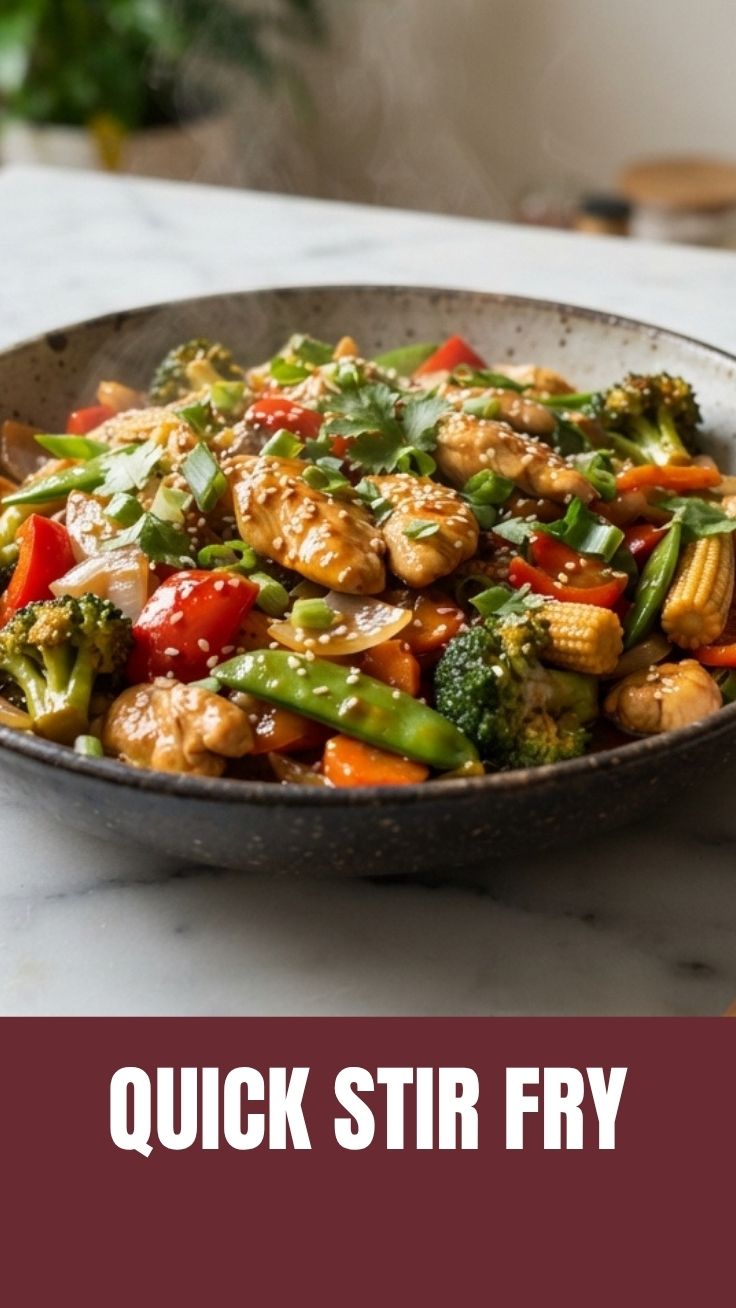
- Return the stir-fried vegetables to the skillet with the cooked chicken and toss everything together to combine, ensuring an even distribution.