Savory Pad Thai Recipe: Your Guide to Restaurant-Quality Stir-Fry at Home
Have you ever craved the perfect balance of sweet, sour, and savory that only a well-made Pad Thai can deliver? There’s something magical about that first bite—tender rice Noodles coated in a glossy tamarind sauce, mingling with crunchy bean sprouts and fresh lime. While ordering takeout is convenient, preparing this iconic Thai street food at home rewards you with fresher ingredients, customizable heat levels, and a sense of culinary accomplishment. By mastering this recipe, you’ll save money and impress dinner guests with an authentic dish that rivals any restaurant.
Ingredients & Kitchen Tools
For the Pad Thai Sauce:
– 3 tablespoons tamarind paste (or substitute with 2 tablespoons lime juice + 1 tablespoon brown sugar)
– 2 tablespoons fish sauce (use soy sauce for vegetarian version)
– 1 tablespoon rice vinegar
– 2 tablespoons brown sugar
– 1 tablespoon sriracha or chili flakes (adjust to taste)
For the Stir-Fry:
– 8 ounces flat rice Noodles (soaked in warm water 20 minutes until pliable)
– 8 ounces shrimp or chicken (tofu works well for plant-based)
– 2 eggs
– 1 cup bean sprouts
– 3 green onions, sliced
– ¼ cup crushed peanuts
– 2 cloves garlic, minced
– 2 tablespoons vegetable oil
Kitchen Tools:
– Large wok or non-stick skillet
– Wooden spatula
– Mixing bowl
– Colander for draining noodles
– Measuring spoons
Optional Substitutions: Swap shrimp for firm tofu (press and cube), use tamari for gluten-free, or replace fish sauce with mushroom seasoning for vegan options.
Prep Time & Cooking Schedule
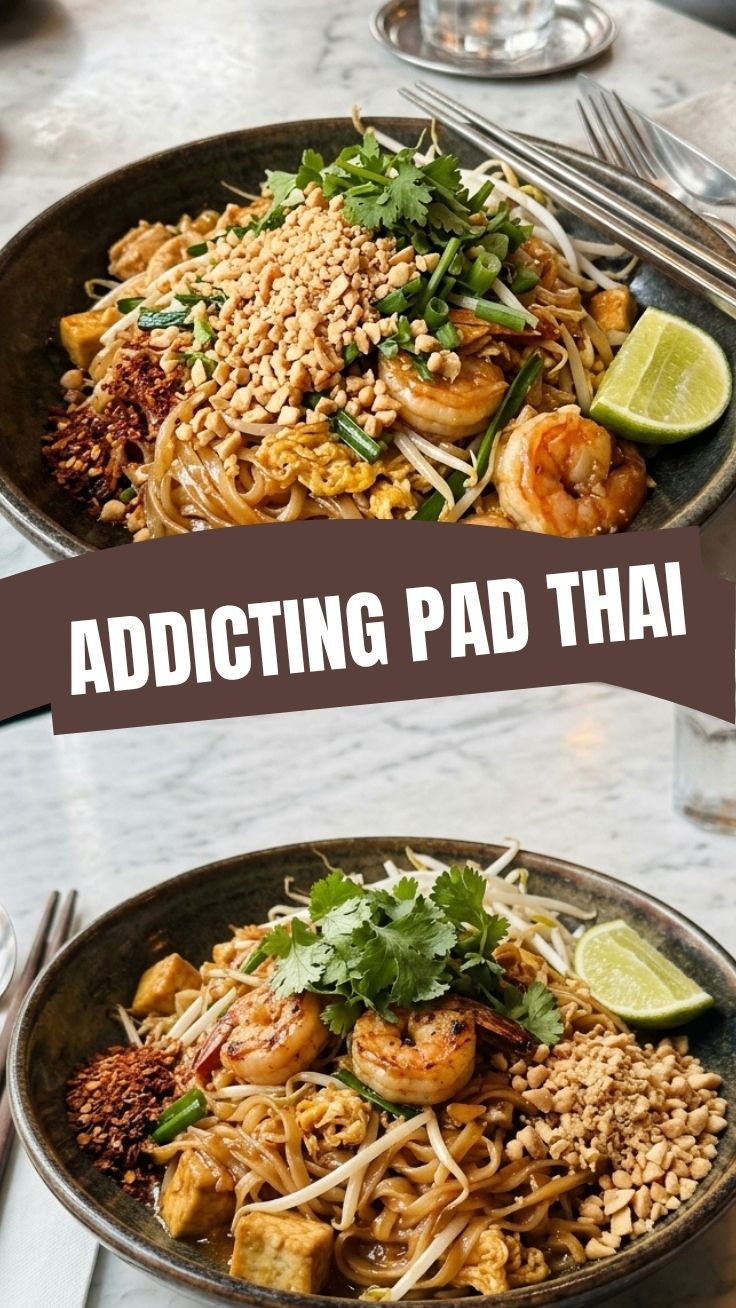
– Soaking Noodles: 20 minutes (passive)
– Prep Time: 15 minutes (chop veggies, make sauce)
– Cook Time: 10 minutes (high-heat stir-fry)
– Total Time: 45 minutes
Soak your noodles while prepping other ingredients to streamline the process. The actual cooking is lightning-fast, so have everything measured and within arm’s reach before you heat the wok.
Step-by-Step Instructions
1. Prepare the sauce: In a small bowl, whisk together tamarind paste, fish sauce, rice vinegar, brown sugar, and chili flakes until sugar dissolves. Set aside.
2. Cook the protein: Heat 1 tablespoon oil in your wok over medium-high heat. Add shrimp (or chicken) and cook 2–3 minutes until pink and opaque. Remove to a plate.
3. Scramble the eggs: Crack both eggs into the hot wok, scramble quickly, and cook until just set (about 30 seconds). Push to one side.
4. Stir-fry the aromatics: Add remaining oil and minced garlic. Cook 15 seconds until fragrant.
5. Add noodles and sauce: Drain the soaked Noodles and add to the wok. Pour the prepared sauce over top. Toss continuously for 1–2 minutes—the noodles should become tender and evenly coated. If they stick, add 1 tablespoon water.
6. Combine everything: Return cooked protein to the wok along with bean sprouts and half the green onions. Toss for 30 seconds until heated through. The Pad Thai is ready when noodles are glossy and slightly charred in spots.
7. Serve immediately: Plate and garnish with remaining green onions, crushed peanuts, fresh cilantro, and a lime wedge.
Temperature tip: Keep the heat high for authentic wok hei (that smoky flavor). Avoid overcrowding the pan—cook in batches if needed.
Nutritional Benefits & Advantages
This homemade Pad Thai offers a balanced nutritional profile. Rice noodles provide quick-release energy, while shrimp delivers lean protein and omega-3 fatty acids. Bean sprouts add vitamin C and fiber, and peanuts contribute healthy fats and magnesium. Compared to takeout, you control sodium levels (use low-sodium fish sauce) and avoid MSG often added in restaurant versions. The tamarind paste supports digestion thanks to its natural tartaric acid.
Tips, Variations & Cooking Advice
Flavor Variations:
– Add ½ cup diced bell peppers or shredded carrots for extra crunch
– Swap shrimp for pork belly or crispy tofu
– Use brown rice vinegar for a deeper tang
Dietary Adaptations:
– Gluten-free: Use tamari instead of soy sauce
– Vegan: Replace egg with chickpea flour scramble; use mushroom seasoning
– Low-carb: Substitute zucchini noodles for rice noodles
Cooking Advice: If your sauce is too thick, thin with 1 tablespoon warm water. For extra heat, serve with Thai bird chili on the side.
Common Mistakes to Avoid
1. Over-soaking noodles: Soak rice noodles only until pliable (about 20 minutes). Over-soaking makes them mushy and prone to breaking during stir-fry.
2. Using cold wok: Always preheat your wok until smoking before adding oil. A cold pan leads to soggy, clumpy noodles.
3. Skipping the tamarind: Ketchup or vinegar alone won’t replicate tamarind’s complex tang. If unavailable, use equal parts lime juice and brown sugar.
4. Overcooking bean sprouts: Add them at the very end to preserve their crisp texture.
Storage & Meal Prep Tips
Store leftovers in an airtight container in the refrigerator for up to 3 days. Do not freeze—rice noodles become spongy when thawed. To reheat, add 1 teaspoon water per serving and microwave 45 seconds, then toss in a hot wok for 30 seconds to revive texture. For meal prep, cook components separately: soak noodles, make sauce, chop veggies, and store in separate containers. Stir-fry fresh when ready to serve.
Conclusion
Mastering this Pad Thai recipe transforms your kitchen into a Thai street food stall. By balancing sweet tamarind with savory fish sauce and fresh lime, you’ve created a dish that’s simultaneously comforting and vibrant. The key is maintaining high heat and using quality rice Noodles for that perfect chew. Whether you’re cooking for a weeknight dinner or impressing guests, this recipe delivers consistent results. We’d love to see your creation—share a photo and tag us! For more Thai-inspired recipes, check out our red curry soup.
FAQs
1. Can I use spaghetti instead of rice noodles?
While spaghetti works in a pinch, the texture will differ. Rice noodles are gluten-free and offer a softer, chewier bite essential for authentic Pad Thai.
2. Why are my noodles sticking together?
This usually happens from soaking too long or using too little oil. Drain noodles thoroughly and toss with 1 teaspoon oil before adding to the wok.
3. How spicy is this recipe?
The recipe as written is mild. Add chili flakes gradually to taste, or omit entirely for a kid-friendly version.
4. Can I make Pad Thai without tamarind?
Yes, substitute with 2 tablespoons lime juice + 1 tablespoon brown sugar + 1 teaspoon Worcestershire sauce for a similar tangy-sweet profile.
5. How do I prevent the eggs from becoming rubbery?
Cook eggs quickly over high heat and remove them from the wok immediately after scrambling. They’ll finish cooking when combined later.
Pad Thai Sauce
Ingredients
Equipment
Method
- Combine tamarind paste, palm sugar, fish sauce, rice vinegar, water, and optional chili flakes in a saucepan.
- Place the saucepan over medium heat and stir continuously until the palm sugar is completely dissolved.
- Bring the mixture to a gentle simmer, ensuring to stir occasionally to prevent sticking.
- Continue to simmer the sauce for 10-15 minutes, or until it has thickened slightly to your desired consistency.
- Remove the sauce from the heat and allow it to cool completely; it will thicken further as it cools.