The Ultimate Guide to Low Calorie Grilled Chicken Recipes That Never Sacrifice Flavor
Have you ever believed that eating healthy means resigning yourself to bland, dry chicken breast for every meal? If so, it is time to completely reconsider that assumption. Preparing grilled chicken at home is not only cost-effective and surprisingly quick, but it also gives you total control over what goes onto your plate. By mastering a few core techniques, you can create restaurant-quality meals that support your wellness goals without making you feel deprived. The secret lies in pairing low calorie grilled chicken recipes with bold, healthy chicken marinades that boost flavor without piling on unnecessary fats or sugars. Once you understand this powerful combination, your weeknight dinners will never be the same again.
—
Ingredients & Kitchen Tools
For the Chicken and Marinade
– Boneless, skinless chicken breasts (4 pieces, about 6 oz each): The leanest and most versatile cut for grilling. Look for uniform thickness to ensure even cooking.
– Fresh lemon juice (¼ cup): Adds brightness and helps tenderize the meat naturally.
– Extra-virgin olive oil (2 tablespoons): Provides healthy monounsaturated fats and helps the seasoning adhere. Substitution: Avocado oil works well.
– Minced garlic (4 cloves): Delivers pungent depth. Substitution: 1 teaspoon garlic powder.
– Dijon mustard (1 tablespoon): Adds tanginess and emulsifies the marinade.
– Dried oregano (1 teaspoon) and smoked paprika (1 teaspoon): Earthy warmth and subtle smokiness.
– Salt and black pepper (to taste): Essential for balancing and enhancing all other flavors.
– Fresh herbs for garnish (optional): Chopped parsley or basil adds a fresh finish.
Kitchen Tools and Utensils
– Mixing bowl (medium): For combining the marinade ingredients.
– Whisk or fork: To emulsify the marinade smoothly.
– Resealable plastic bag or shallow glass dish: For marinating the chicken without mess.
– Outdoor grill, grill pan, or cast-iron skillet: The primary cooking surface. A grill pan is ideal for stovetop use.
– Tongs with silicone tips: For flipping chicken without tearing the meat.
– Instant-read meat thermometer: The single most reliable tool for preventing overcooked, dry chicken.
– Cutting board and sharp knife: For resting and slicing the finished chicken.
—
Prep Time & Cooking Schedule
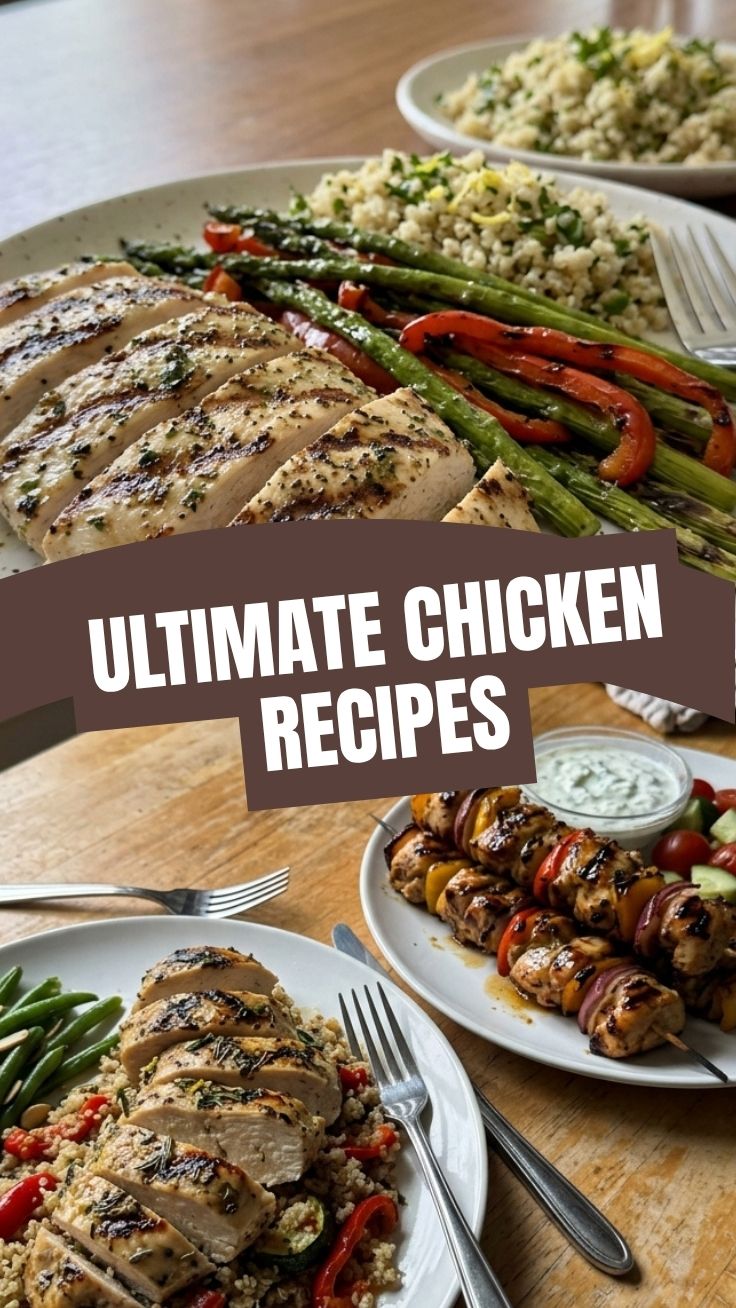
Planning your time carefully is a key part of successful cooking. Here is a clear breakdown to help you prepare without stress:
– Marinating time: 30 minutes minimum. For deepest flavor penetration, aim for 2 to 4 hours in the refrigerator. Avoid exceeding 12 hours, as the acid in the lemon juice can begin to break down the meat’s texture too aggressively.
– Prep time: 10 minutes. This includes mincing garlic, juicing lemon, measuring spices, and whisking the marinade.
– Grill preheating time: 10 to 15 minutes. A properly hot grill creates perfect sear marks and prevents the chicken from sticking.
– Cook time: 12 to 16 minutes total (6 to 8 minutes per side depending on thickness). For breasts that are 1 inch thick, aim for about 6 minutes on the first side.
– Resting time: 5 minutes. This crucial step allows the internal juices to redistribute, resulting in a noticeably moister final dish.
Total active time: Approximately 35 minutes from start to finish, not including marinating.
—
Step-by-Step Instructions
Step 1: Prepare the marinade. In your medium mixing bowl, whisk together the lemon juice, olive oil, minced garlic, Dijon mustard, dried oregano, smoked paprika, and a generous pinch of salt and black pepper. The mixture should look slightly emulsified and smell aromatic.
Step 2: Marinate the chicken. Place the chicken breasts inside a resealable plastic bag or a shallow glass dish. Pour the marinade over top, seal the bag while removing as much air as possible, and massage the liquid gently into the meat. Refrigerate for at least 30 minutes. While you wait, bring the chicken out of the fridge about 15 minutes before grilling to take the chill off—this promotes more even cooking.
Step 3: Preheat your grill. Whether you are using an outdoor gas grill, charcoal grill, or a stovetop grill pan, heat it to medium-high heat (approximately 400°F to 450°F). Clean the grates and lightly oil them with a paper towel dipped in vegetable oil to prevent sticking.
Step 4: Grill the chicken. Remove the breasts from the marinade, allowing excess liquid to drip off, but do not pat them dry—you want the flavor compounds to stay on the surface. Place the chicken on the hot grill. Cook for 6 to 8 minutes on the first side without moving the pieces, which allows nice grill marks to form. Flip using your tongs and cook for an additional 6 to 8 minutes. The chicken is ready when the internal temperature reaches 165°F at the thickest part, checked with your instant-read thermometer.
Step 5: Rest and serve. Transfer the cooked chicken to a clean cutting board and loosely tent it with aluminum foil. Let it rest for a full 5 minutes before slicing. This non-negotiable step prevents those precious juices from spilling out. Slice against the grain for the most tender bite.
Mastering low calorie grilled chicken recipes hinges entirely on temperature control and patience. Pairing this technique with healthy chicken marinades ensures each bite is moist, deeply flavored, and satisfyingly lean.
—
Nutritional Benefits & Advantages
This dish is a nutritional powerhouse built for balanced eating. A typical 6-ounce serving of this grilled chicken provides approximately 250 to 280 calories (depending on exact oil usage), with around 40 grams of high-quality protein and only 8 grams of fat. It is naturally low in carbohydrates and sugar, making it suitable for keto, paleo, and low-carb meal plans.
Chicken breast is one of the leanest animal protein sources, rich in B vitamins (especially niacin and B6) that support energy metabolism and brain function. The marinade adds antioxidants from garlic and oregano, while the olive oil supplies heart-healthy monounsaturated fats. By using this cooking method, you avoid the added oils and breading common in fried or sautéed versions, keeping the calorie count low and the nutrient density high.
—
Tips, Variations & Cooking Advice
Flavor variations:
– Mediterranean twist: Add 1 tablespoon of red wine vinegar and ½ teaspoon of dried rosemary to the marinade. Serve with a cucumber-tomato salad.
– Spicy chipotle: Replace the smoked paprika with 1½ teaspoons of chipotle powder and add 1 tablespoon of lime juice. This variation works beautifully for tacos.
– Herbaceous lemon-rosemary: Substitute the oregano with 1½ teaspoons of fresh chopped rosemary and add the zest of one lemon. Perfect for spring and summer meals.
Cooking method swaps:
– Oven baking: Sear the marinated chicken in a hot cast-iron skillet for 2 minutes per side, then transfer to a 400°F oven for 12 to 15 minutes.
– Air fryer: Cook marinated breasts at 375°F for 10 to 12 minutes, flipping halfway through. No preheating required.
Dietary adaptations: This recipe is naturally gluten-free and dairy-free. To reduce fat further, decrease the olive oil to 1 tablespoon and add a splash of water or chicken broth to the marinade.
—
Common Mistakes to Avoid
– Skipping the resting period. Cutting into the chicken immediately after grilling causes the juices to run out onto your cutting board, leaving dry meat. Always rest for 5 minutes.
– Marinating for too long with high acid. More than 12 hours of marinating with lemon juice can make the exterior of the chicken mushy and mealy. Stick to 30 minutes to 4 hours for best results.
– Using cold chicken on a hot grill. Placing refrigerator-cold meat on a hot surface reduces the chances of a good sear and can lead to uneven cooking. Let the chicken sit at room temperature for 15 minutes after marinating.
– Overcrowding the pan or grill grates. If you place the chicken pieces too close together, they will steam rather than sear. Leave at least 1 inch of space between each breast.
– Relying on color alone for doneness. A dark char on the outside does not guarantee safe internal temperature. Always rely on your meat thermometer.
—
Storage & Meal Prep Tips
– Refrigeration: Store leftover grilled chicken in an airtight container for up to 4 days. Keep it whole or sliced; whole pieces retain moisture better.
– Freezing: Wrap each cooled chicken breast tightly in plastic wrap, then place inside a freezer-safe bag. Properly stored, it remains flavorful for up to 3 months. Thaw overnight in the refrigerator before reheating.
– Reheating: To avoid turning your leftovers dry, reheat gently. The best method is in a covered skillet over medium-low heat with a splash of chicken broth or water, for about 4 to 5 minutes. Alternatively, microwave on 50% power in 30-second intervals, checking often.
– Meal prep idea: Grill 4 to 6 breasts at once on Sunday. Slice and portion them into containers with roasted vegetables and cooked quinoa for quick weekday lunches. The chicken stays tender and works well cold on salads too.
—
Conclusion
Lean protein truly does not have to be boring. By focusing on proper technique—especially temperature control and resting time—you can consistently produce grilled chicken that is juicy, flavorful, and perfectly aligned with your wellness goals. Whether you need new low calorie grilled chicken recipes or creative healthy chicken marinades to refresh your rotation, this dish delivers on every front. I encourage you to try this recipe this week, experiment with the suggested variations, and share your results and leftover hacks in the comments below.
—
FAQs
1. Can I use chicken thighs instead of breasts?
Absolutely. Chicken thighs contain more fat, which makes them even more forgiving on the grill. Note that they will require a slightly higher calorie count per serving, and you should cook them to an internal temperature of 175°F for optimal tenderness.
2. My chicken always turns out dry. What am I doing wrong?
Dry chicken is almost always the result of overcooking or skipping the rest period. Use an instant-read thermometer every time. Pull the meat off the grill at exactly 165°F and let it rest for 5 minutes. Also, ensure you are not marinating for so long that the acid degrades the texture.
3. Can I make this marinade in advance?
Yes. You can whisk together the marinade (without the chicken) and store it in a sealed container in the refrigerator for up to 5 days. Add the chicken to the marinade one hour before you plan to grill.
4. How do I prevent the chicken from sticking to the grill?
First, make sure your grill grates are clean and very hot before adding the chicken. Second, lightly oil the grates (not the chicken directly) by dipping a folded paper towel in vegetable oil and running it over the grates with tongs.
5. Can I double the recipe for a crowd?
Yes, this scales very well. Simply multiply the marinade ingredients proportionally. However, grilling in batches is advisable to avoid overcrowding. Keep the cooked pieces warm in a 200°F oven while you finish grilling the rest.
Proven way to grow 6 low calorie grilled chicken recipes
Ingredients
Equipment
Method
- Pound chicken breasts to an even thickness if desired; then, combine olive oil, lemon juice, minced garlic, oregano, salt, and pepper in a bowl to create the marinade.
- Place chicken in the marinade, ensuring all pieces are well-coated; then, cover and refrigerate for at least 30 minutes, or up to 4 hours, to allow flavors to meld.
- Preheat your grill to medium-high heat, ensuring it is clean and lightly oiled so the chicken does not stick.
- Grill chicken for 5-7 minutes per side, or until internal temperature reaches 165°F (74°C) and juices run clear, indicating it is fully cooked.
- Remove chicken from grill and let it rest for 5 minutes before serving, which helps to keep the chicken juicy and tender.
- For Lemon Herb Chicken, add lemon zest and fresh thyme to the basic marinadeIngredients then marinate and grill as directed.
- For Spicy Paprika Chicken, mix smoked paprika and optional cayenne pepper into the basic marinade then marinate and grill.
- For Honey Mustard Chicken, whisk Dijon mustard and honey into the basic marinade then marinate and grill.
- For Garlic Parmesan Chicken, combine grated Parmesan cheese and garlic powder with the basic marinade then marinate and grill.
- For Balsamic Glazed Chicken, whisk balsamic vinegar and brown sugar into the basic marinade then marinate; during the last few minutes of grilling, brush with any remaining marinade.
- For Herb Marinated Chicken, add fresh rosemary and parsley to the basic marinade then marinate and grill as directed.