Master the Art of Authentic Bolognese: Your Ultimate Homemade Guide
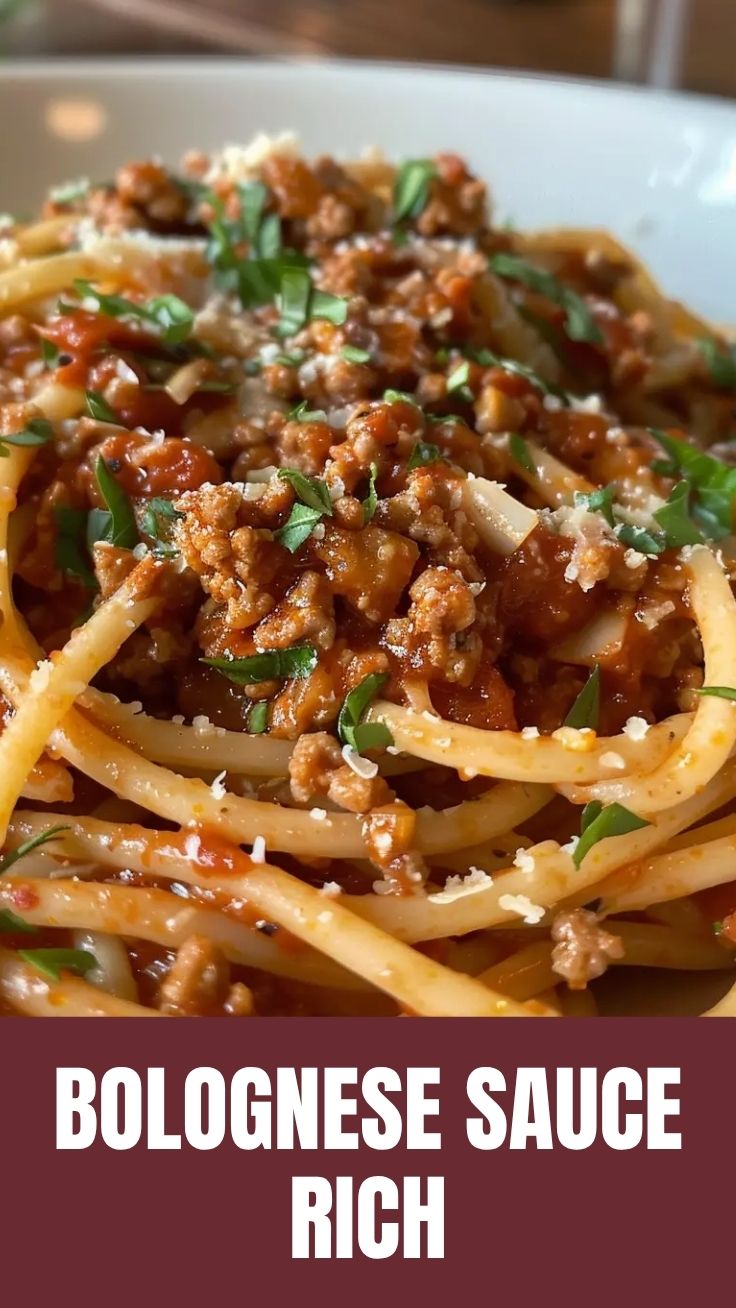
Ever dreamed of conjuring a rich, deeply flavored bolognese sauce that rivals Italy’s finest? That magical aroma wafting from your kitchen, promising a comforting, hearty meal. Preparing classic dishes like homemade Bolognese from scratch isn’t just about saving money; it’s about control over ingredients, personalization, and the sheer joy of creating something truly delicious. Today, we’re diving deep into mastering the venerable art of the Spaghetti Bolognese, a timeless comfort food that truly shines when made with love at home. We’ll explore every nuance, from selecting the perfect cuts of meat to simmering it to perfection, ensuring your Pasta Bolognese becomes a regular, much-requested dish at your table.
Ingredients & Kitchen Tools
Crafting the perfect bolognese begins with the right components. Here’s what you’ll need:
- Ground Beef (80/20 lean): 1.5 lbs, ideally grass-fed for deeper flavor. A good fat content ensures a rich, moist sauce.
- Pancetta or Smoked Bacon (diced): 4 oz. Adds a crucial layer of savory, smoky depth.
- Yellow Onion (finely diced): 1 medium. The aromatic base.
Carrots (finely diced): 2 medium. Adds sweetness and color, part of the traditional soffritto*.
Celery Stalks (finely diced): 2 medium. The final component of the soffritto*, providing earthy notes.
- Garlic Cloves (minced): 4-5 cloves. For robust aromatic flavor.
- Crushed Tomatoes (Canned): 28 oz can. High-quality San Marzano tomatoes are highly recommended for their inherent sweetness.
- Tomato Paste: 6 oz can. Concentrates the tomato flavor and adds richness.
- Dry Red Wine (e.g., Merlot or Sangiovese): 1 cup. Deglazes the pan and adds complex, fruity notes.
- Whole Milk: 1 cup. Tenderizes the meat and adds a creamy texture to the sauce.
- Beef Broth: 2 cups. Adds liquid and deepens the savory base.
- Fresh Rosemary (chopped): 1 sprig (or 1 tsp dried). Aromatic herb pairing beautifully with beef.
- Fresh Thyme (chopped): 1 sprig (or 1 tsp dried). Earthy notes that complement the meat.
- Bay Leaves: 2. For subtle herbal essence.
- Olive Oil: 2 tbsp. For sautéing.
- Salt & Black Pepper: To taste. Essential seasoning.
- Parmigiano-Reggiano (grated): For serving. The quintessential finishing touch.
- Spaghetti or Pappardelle Pasta: 1 lb. (For serving with the sauce).
Kitchen Tools:
- Large Dutch Oven or Heavy-Bottomed Pot: Essential for slow simmering and even heat distribution.
- Wooden Spoon or Spatula: For stirring and breaking up meat.
- Measuring Cups and Spoons: For accurate ingredient portions.
- Sharp Chef’s Knife & Cutting Board: For precise dicing.
Prep Time & Cooking Schedule
- Prep Time: 30 minutes (This includes dicing all your aromatics and measuring out ingredients – a classic “mise en place” makes cooking much smoother).
- Cook Time: 2.5 – 3 hours (This is a slow-simmering sauce, and patience is key for developing deep, complex flavors).
- Resting Time: 10 minutes (Allowing the sauce to rest off the heat lets the flavors meld further before serving).
Plan to start this dish in the late afternoon for an evening meal, or even prepare it a day in advance for even better flavor.
Step-by-Step Instructions
1. Render the Pork: Heat 1 tablespoon of olive oil in your Dutch oven over medium heat. Add the diced pancetta or bacon fragments and cook until crispy and most of the fat has rendered out. Remove the crispy bits with a slotted spoon and set aside (these are delicious as a garnish!). Leave the rendered fat in the pot.
2. Soffritto Magic: Add the remaining olive oil if needed. Add the finely diced onions, carrots, and celery to the pot. Sauté for 8-10 minutes over medium-low heat until softened and translucent, not browned. This is your soffritto, the flavor foundation.
3. Brown the Beef: Increase heat to medium-high. Add the ground beef to the pot, breaking it up with your wooden spoon. Brown the meat thoroughly, stirring occasionally, until no pink remains. Drain any excess fat to prevent a greasy sauce.
4. Aromatics & Paste: Stir in the minced garlic and tomato paste. Cook for 2-3 minutes, stirring constantly, allowing the tomato paste to caramelize slightly and deepen in color. This bloom releases its full flavor.
5. Deglaze with Wine: Pour in the red wine. Scrape up any browned bits from the bottom of the pot with your spoon. Let the wine simmer vigorously for 5-7 minutes until it has almost completely evaporated. This concentrated wine flavor is crucial.
6. Simmer & Flavor: Stir in the crushed tomatoes, beef broth, milk, rosemary, thyme, and bay leaves. Bring the sauce to a gentle simmer. Reduce heat to low, cover the pot partially, and cook for at least 2 hours, or up to 3 hours, stirring occasionally. The longer it simmers, the more tender the meat will become, and the flavors will deepen – essential for a truly spectacular Spaghetti Bolognese. Taste and adjust seasoning with salt and black pepper as it cooks. The slow simmer transforms the ingredients into a harmonious, rich Pasta Bolognese.
7. Finish Cooking Pasta: About 15 minutes before the sauce is done, cook your spaghetti or pappardelle according to package directions in well-salted water until al dente.
8. Serve: Remove the bay leaves from the sauce. Drain the pasta and combine it directly with the sauce in the pot, or serve the sauce over individual portions, garnishing generously with grated Parmigiano-Reggiano and the reserved crispy pancetta.
Nutritional Benefits & Advantages
This homemade bolognese isn’t just delicious; it’s packed with goodness. The rich beef provides high-quality protein, essential for muscle repair and satiety. The soffritto (onions, carrots, celery) contributes a wealth of vitamins (A, C, K) and dietary fiber. Tomatoes are a fantastic source of lycopene, a powerful antioxidant beneficial for heart health. By making it yourself, you control sodium levels and avoid artificial additives often found in store-bought sauces.
Tips, Variations & Cooking Advice
- Meat Blends: For even more complexity, try a mix of ground beef, pork, and veal.
- Spice It Up: A pinch of red pepper flakes adds a subtle kick.
- Herbs: Experiment with a touch of fresh sage for an earthier flavor profile.
- Slow Cooker Method: After browning the meat and aromatics, transfer everything to a slow cooker and cook on low for 6-8 hours or high for 3-4 hours.
- Dairy-Free: You can omit the whole milk if you prefer, though it does contribute to the sauce’s tenderness and creaminess.
- Gluten-Free: Simply serve over your favorite gluten-free pasta or zoodles.
Common Mistakes to Avoid
- Not Browning the Meat Enough: A crucial step for developing deep, savory flavors. Don’t rush it!
- Undercooking the Soffritto: Ensure your vegetables are truly soft and translucent for the best flavor base.
- Skimping on Simmer Time: Bolognese is a patient sauce. The longer it simmers, the more the flavors meld and the meat tenderizes.
- Too Much Liquid Initially: Start with the specified amounts and adjust if needed. You want a thick, rich sauce, not watery.
- Not Draining Fat: Excess fat from the beef can make the sauce greasy.
Storage & Meal Prep Tips
Leftover bolognese is often even better the next day as the flavors continue to marry.
- Refrigeration: Store in an airtight container in the refrigerator for up to 3-4 days.
- Freezing: This sauce freezes beautifully! Portion it into freezer-safe bags or containers and freeze for up to 3 months. Thaw overnight in the refrigerator before reheating gently on the stovetop or in the microwave.
- Reheating: Reheat gently over low heat on the stovetop, adding a splash of broth or water if it’s too thick.
Conclusion
There you have it – a comprehensive guide to crafting an unforgettable, authentic homemade bolognese. This rich, slow-simmered sauce is a testament to the magic that happens when simple, quality ingredients are given the time and care they deserve. Whether it’s your first time or your fiftieth, following these steps will yield a deeply satisfying Spaghetti Bolognese that will become a cherished family favorite. So, roll up your sleeves, gather your ingredients, and prepare to impress with this glorious Pasta Bolognese. We encourage you to try this recipe and share your culinary successes in the comments below!
FAQs
Q1: Can I use different ground meats for bolognese?
A1: Absolutely! A traditional bolognese often uses a mix of ground beef, pork, and sometimes veal for a more complex flavor profile. You can also use ground turkey for a lighter version, though it will alter the classic taste.
Q2: My sauce seems a bit thin; what can I do?
A2: If your sauce is too thin, remove the lid and increase the heat slightly to a gentle simmer for the last 30 minutes of cooking. This will allow some of the liquid to evaporate and the sauce to thicken. A cornstarch slurry (1 tbsp cornstarch mixed with 2 tbsp cold water) can also be used as a last resort, but aim for natural reduction first.
Q3: How important is the red wine? Can I skip it?
A3: The red wine is quite important for deglazing the pan and adding a layer of acidic complexity and depth. While you can omit it, the sauce’s flavor will be less nuanced. If you prefer not to use alcohol, you can substitute it with an equal amount of beef broth or even red grape juice (unsweetened) with a splash of red wine vinegar.
Q4: What’s the best pasta to pair with bolognese?
A4: While spaghetti is iconic, wider, flat pastas like tagliatelle, pappardelle, or fettuccine are traditionally preferred in Emilia-Romagna (the region where bolognese originated). Their broad surface area is excellent for catching and holding the rich, meaty sauce.
Q5: Can I make this sauce vegetarian?
A5: Yes, you can! Substitute the ground beef and pancetta with finely diced mushrooms, lentils, and a mix of other hearty vegetables like eggplant or zucchini. Use vegetable broth instead of beef broth and omit the milk or use a dairy-free alternative if desired. The simmering time remains crucial for flavor development.
Best way to grow your perfect Spaghetti Bolognese
Ingredients
Equipment
Method
- Heat olive oil in a large pot or Dutch oven over medium heat, then add the diced pancetta or bacon and cook until crispy. Remove the pancetta with a slotted spoon, leaving the rendered fat in the pot, and set aside.
- Add the ground beef to the pot and cook, breaking it up with a spoon, until it is browned all over; drain any excess fat if necessary.
- Add the chopped onion, carrots, and celery to the pot and cook until softened, about 8-10 minutes.
- Stir in the minced garlic and cook for another minute until fragrant, being careful not to burn it.
- Pour in the red wine and bring to a simmer, scraping up any browned bits from the bottom of the pot, and cook until the wine has mostly evaporated, about 5-7 minutes.
- Add the crushed tomatoes, beef broth, bay leaves, and oregano to the pot; season with salt and black pepper to taste. Bring the sauce to a gentle simmer, then reduce the heat to low, cover, and let it cook for at least 2-3 hours, stirring occasionally, or even longer for a richer flavor.
- About 20 minutes before the sauce is done, cook the spaghetti according to package instructions until al dente, usually 8-10 minutes.
- Drain the spaghetti and either toss it directly with the Bolognese sauce or serve the sauce over the spaghetti. Garnish each serving with grated Parmesan cheese, fresh basil, and the reserved crispy pancetta if desired.