The Ultimate Guide to Making Authentic Pico de Gallo at Home
Have you ever taken a bite of a watery, bland salsa that left you wondering why you didn’t just order extra guacamole? That’s the opposite of what a true pico de gallo should deliver. When you prepare an Authentic Pico de Gallo at home, you unlock fresh, vibrant flavors that no jarred version can replicate. This isn’t just a recipe—it’s a cornerstone of Mexican cuisine that transforms tacos, nachos, and grilled meats into unforgettable meals. By mastering this simple dish, you save money, control the ingredients, and impress everyone at your table. Let’s dive into the fresh, chunky world of this classic salsa.
—
Ingredients & Kitchen Tools
Fresh Produce
– Roma tomatoes (4-5 large): Firm, ripe, and meaty. Avoid overly soft tomatoes to prevent mushiness.
– White onion (1 medium): Sharp and crisp. Red onion works for a milder, sweeter flavor.
– Jalapeño (1-2): Seeds and membranes removed for less heat. Serrano peppers add more kick.
– Fresh cilantro (1/2 cup packed): Leaves only; stems can be bitter. Use parsley if cilantro isn’t your favorite.
– Lime (2 large): Freshly squeezed juice is non-negotiable. Bottled juice lacks brightness.
Seasonings
– Kosher salt (1/2 teaspoon): Use coarse salt; table salt may over-season. Adjust to taste.
– Optional garlic (1 small clove): Finely minced or pressed for a subtle depth.
Kitchen Tools
– Chef’s knife: Essential for uniform dicing.
– Cutting board: Stability is key.
– Mixing bowl: Stainless steel or glass—plastic can absorb odors.
– Colander: For rinsing cilantro and tomatoes.
– Sharp vegetable peeler (optional): If you prefer peeled tomatoes for a smoother texture.
—
Prep Time & Cooking Schedule
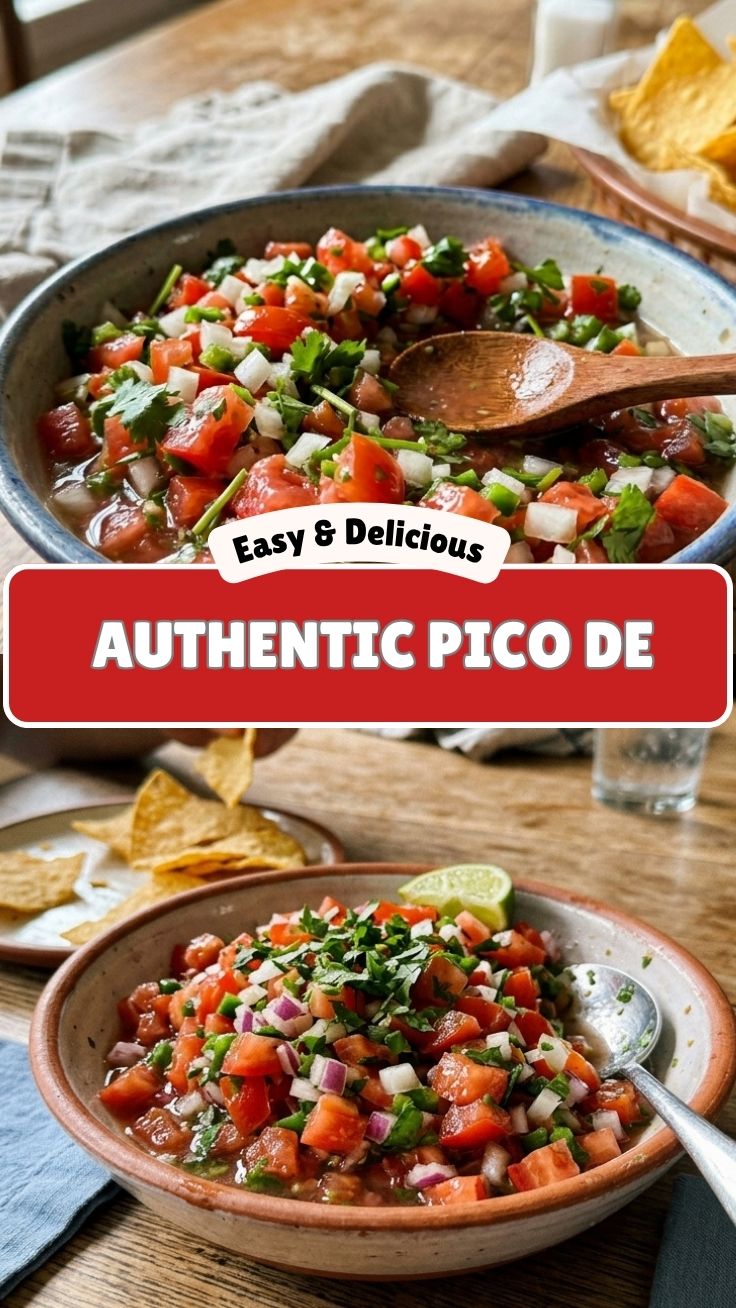
This is a no-cook recipe, so timing revolves around prep and resting.
– Prep time: 15–20 minutes (chopping and mixing).
– Resting time: 15–30 minutes (refrigerator) or 1 hour at room temperature for best flavor melding.
– Total active time: 20 minutes.
– When to make: Up to 24 hours in advance. Serve as a dip, topping, or side. Plan 30 minutes for resting to avoid a watery finish—salt will draw moisture, so serve within a few hours for maximum crunch.
—
Step-by-Step Instructions
1. Prepare the vegetables. Dice tomatoes into 1/4-inch cubes. Remove seeds and jelly-like pulp first if you prefer a firmer pico. Finely chop white onion to the same size for even texture.
2. Handle the chili. Mince jalapeño after removing stem, seeds, and inner ribs. Use gloves or wash hands immediately—capsaicin lingers.
3. Chop cilantro. Gently rock your knife through leaves; avoid over-chopping which bruises them. Aim for fluff, not paste.
4. Combine in bowl. Add tomatoes, onion, jalapeño, and cilantro. Squeeze lime juice over the top—two limes should yield 3–4 tablespoons.
5. Season gently. Sprinkle kosher salt. Stir with a spoon, taste, and adjust. Under-salt initially; flavors intensify as it rests.
6. Rest and serve. Cover and refrigerate for 15 minutes. Taste again—acidity and salt should balance. Serve chilled or at room temperature.
Temperature control tip: If tomatoes are fridge-cold, let them sit 10 minutes before serving to avoid numbing the fresh flavors. Texture cue: The pico should be chunky, not watery. If too liquid, drain excess juice or add a diced cucumber to absorb.
Remember, this Pico de Gallo recipe shines when you embrace simplicity. Use ripe, in-season produce and don’t overmix—gentle folding preserves the crunch.
—
Nutritional Benefits & Advantages
– Tomatoes are rich in lycopene, an antioxidant linked to heart health and reduced inflammation.
– White onion provides quercetin, which supports immune function and may lower blood pressure.
– Jalapeño delivers capsaicin, boosting metabolism and providing vitamin C.
– Cilantro contains antioxidants and chelating properties that may help remove heavy metals from the body.
– Lime juice adds vitamin C to enhance iron absorption from other ingredients.
Dietary advantages: This recipe is naturally vegan, gluten-free, dairy-free, and low in calories—about 15 calories per 1/4 cup serving. It’s Whole30 and keto-friendly, making it a versatile addition to nearly any dietary plan.
—
Tips, Variations & Cooking Advice
Flavor Twists
– Add fruit: Diced mango, pineapple, or peach for a sweet-savory version.
– Herb swap: Use mint or basil instead of cilantro for an unexpected freshness.
– Smokiness: Stir in 1/2 teaspoon smoked paprika or chipotle powder.
Ingredient Swaps
– Tomatoes: Use cherry tomatoes halved or grilled tomatoes for char flavor.
– Onion: Shallots or green onion tops (white parts) for a milder bite.
– Chili: poblano for zero heat, habanero for intense fire.
Dietary Adaptations
– Low-sodium: Skip salt, use lime juice and garlic powder.
– Oil-free: Nothing to adjust—recipe is already oil-free.
Make-Ahead Strategy
– Prep all ingredients except lime juice and salt. Store separately in airtight containers. Combine and season just before serving.
—
Common Mistakes to Avoid
| Mistake | Solution |
|———|———-|
| Watery pico | Remove tomato seeds and pulp before dicing; salt just before serving. |
| Bitter taste | Avoid cilantro stems; use only leaves. Also, don’t over-mince garlic. |
| Mushy texture | Dice vegetables uniformly; don’t oversalt or overmix. |
| Too spicy | Remove all jalapeño seeds and ribs. Start with half a pepper, taste, then add more. |
| Flat flavor | Use fresh lime juice, not bottled. Add a pinch of sugar if tomatoes are acidic. |
—
Storage & Meal Prep Tips
– Refrigeration: Store in an airtight container for up to 3 days. The texture softens, but flavor deepens.
– Freezing: Not recommended—tomatoes become mushy upon thawing. If freezing, use in cooked dishes like soups.
– Reheating: Do not reheat; serve cold or at room temperature.
– Reviving leftovers: Drain excess liquid, add fresh lime juice and a pinch of salt to brighten.
Meal prep: Double the batch and use as a topping for eggs, tacos, grilled fish, or salads throughout the week.
—
Conclusion
Making an Authentic Pico de Gallo at home is a gateway to fresher, more vibrant meals that honor the simplicity of Mexican cooking. This Pico de Gallo recipe proves that a few quality ingredients, handled with care, can create something truly special. Whether you spoon it over tacos, scoop it with chips, or serve it alongside grilled steak, you’ll taste the difference homemade makes. I encourage you to try this today—adjust the heat, swap fruits, and share your version with friends. Your taste buds will thank you, and so will your dinner guests!
—
FAQs
1. Can I use canned tomatoes for pico de gallo?
Fresh tomatoes are essential for texture and flavor. Canned tomatoes are too soft and watery, resulting in soggy pico. Stick with ripe, firm Roma or vine tomatoes.
2. How do I reduce the heat without losing flavor?
Remove all seeds and white membranes from the jalapeño. Replace with a canned green chili or use bell pepper for zero heat. Add a pinch of sugar to balance residual spiciness.
3. Can I make pico de gallo ahead of time?
Yes—up to 24 hours ahead. Store without salt and lime juice, then add them just before serving to maintain crunch. Refrigerate tightly covered.
4. Why is my pico de gallo too acidic?
Too much lime juice is the culprit. Balance by dicing in a bit more tomato or a pinch of sugar. Alternatively, add diced cucumber to dilute acidity without altering flavor significantly.
5. How long does homemade pico de gallo last?
Up to 3 days in the fridge. After that, tomatoes become mushy and flavors fade. For best quality, consume within 24 hours of making.
Quick way to grow Authentic Pico de Gallo
Ingredients
Equipment
Method
- Finely dice the tomatoes, onion, and jalapeño, removing seeds from the jalapeño if you prefer less heat.
- Chop the fresh cilantro and juice the lime.
- In a medium bowl, combine all the diced ingredients and the chopped cilantro.
- Pour in the fresh lime juice and sprinkle with salt, then mix everything gently to combine.
- Taste and adjust seasoning as needed, then serve immediately or chill for flavors to meld.