Mastering the Art of Fall-Off-The-Bone Ribs at Home
Ever dream of creating Baby Back Ribs so tender they practically melt in your mouth, rivaling your favorite BBQ joint? The good news is, achieving that perfect, succulent rack of BBQ Ribs at home is not only possible but incredibly rewarding. Forget overpriced restaurant meals and embrace the joy of crafting your own unforgettable culinary experience. This comprehensive guide will equip you with the knowledge and techniques to impress your family and friends with irresistibly flavorful ribs, proving that homemade always tastes best.
Ingredients & Kitchen Tools
- 2 racks (approximately 4-5 lbs total) Baby Back Ribs: Look for well-marbled ribs with good meat coverage.
- 1/4 cup brown sugar: Adds sweetness and helps create a caramelized crust.
- 2 tablespoons smoked paprika: Contributes a rich, smoky flavor and vibrant color.
- 1 tablespoon garlic powder: Essential for savory depth.
- 1 tablespoon onion powder: Enhances the aromatic profile.
- 1 tablespoon kosher salt: Brings out the natural flavors of the pork.
- 1 teaspoon black pepper: A crucial seasoning for a balanced taste.
- 1 teaspoon cayenne pepper (optional): For a subtle kick of heat.
- 1 cup apple cider vinegar: Used as a spritz to keep ribs moist and tender.
- Large baking sheet with wire rack: For even cooking and air circulation.
- Aluminum foil: To create a steaming environment for tenderizing.
- Basting brush: For applying the BBQ sauce.
- Meat thermometer: To ensure proper doneness and food safety.
- Sharp knife: For trimming and portioning.
- Paper towels: For patting ribs dry.
Prep Time & Cooking Schedule
- Prep Time: 20 minutes (includes membrane removal and seasoning application)
- Marinating Time (Optional): 2-4 hours or overnight (for deeper flavor penetration)
- Cook Time: 2.5 – 3 hours (depending on method and rib thickness)
- Resting Time: 15 minutes (crucial for juicy ribs)
Plan to start your rib preparation a few hours before you intend to serve, allowing ample time for the cooking process and a brief resting period. If you opt for marinating, remember to factor that into your schedule, ideally preparing the ribs the day before.
Step-by-Step Instructions
1. Prepare the Ribs: Start by patting the Baby Back Ribs thoroughly dry with paper towels. The most critical step here is removing the tough membrane from the bone side of the ribs. Use a butter knife to gently lift a corner of the membrane, then grab it with a paper towel for a firm grip and pull it off. This ensures tender, fall-off-the-bone results.
2. Create the Dry Rub: In a small bowl, combine the brown sugar, smoked paprika, garlic powder, onion powder, kosher salt, black pepper, and cayenne pepper (if using). Mix well to create a cohesive dry rub.
3. Season the Ribs: Generously coat both sides of the ribs with the dry rub, ensuring every crevice is covered. Gently massage the rub into the meat. For enhanced flavor, you can let the ribs marinate in the refrigerator for 2-4 hours or even overnight.
4. Preheat and Prepare: Preheat your oven to 275°F (135°C). Place a wire rack on a baking sheet. This allows for even cooking and prevents the bottom of the ribs from getting soggy.
5. Slow Bake for Tenderness: Place the seasoned ribs, bone-side down, on the wire rack. Pour about 1/2 inch of water or apple cider vinegar into the bottom of the baking sheet (under the rack) to create a moist cooking environment. Cover the entire baking sheet tightly with aluminum foil, creating a sealed packet. Bake for 2-2.5 hours, or until the internal temperature reaches around 180-190°F (82-88°C) and the meat begins to pull away from the bones.
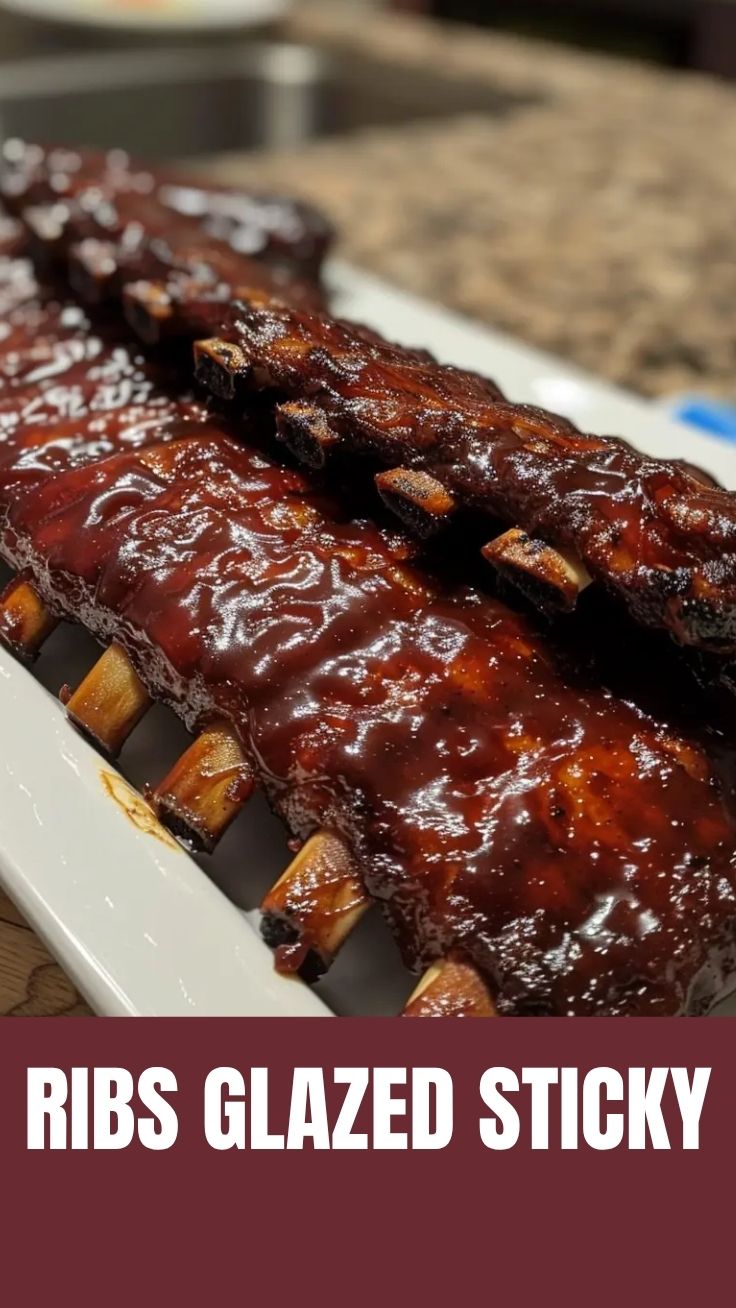
6. Apply BBQ Sauce and Finish: Carefully remove the ribs from the oven and discard the foil. Increase the oven temperature to 375°F (190°C). Generously brush your favorite BBQ Ribs sauce over both sides of the ribs. Return the ribs to the oven, uncovered, and bake for another 20-30 minutes, or until the sauce is caramelized and slightly sticky. Keep a close eye on them to prevent burning.
7. Rest and Serve: Once cooked, remove the ribs from the oven and let them rest, tented loosely with foil, for at least 15 minutes before slicing. This allows the juices to redistribute, resulting in incredibly moist and flavorful ribs. Slice between the bones and serve immediately.
Nutritional Benefits & Advantages
Pork ribs are a rich source of protein, essential for muscle growth and repair. They also provide valuable B vitamins, particularly B1 (thiamine) and B12, which are crucial for energy metabolism and nervous system function. While ribs do contain fat, a moderate portion can be part of a balanced diet. Using a homemade rub and controlling the amount of added sugar in your BBQ sauce can significantly reduce the overall sodium and sugar content compared to many store-bought options.
Tips Variations & Cooking Advice
- Smoky Flavor: For an extra layer of smoky depth, consider finishing your ribs on a grill over indirect heat after the oven baking step.
- Spicy Kick: Add a pinch more cayenne pepper or a dash of hot sauce to your rub or BBQ sauce for those who enjoy a bit of heat.
- Herbal Notes: Incorporate dried herbs like thyme or rosemary into your rub for a unique aromatic twist.
- Alternative Cooking Methods: While oven-baking is fantastic, you can also cook ribs in a slow cooker (followed by a quick broil or grill for crisping) or entirely on a smoker for a truly authentic experience.
- Fruit Glaze: Instead of traditional BBQ sauce, try a fruit-based glaze made with apricot preserves or apple jelly for a tangy and sweet finish.
- Gluten-Free/Dairy-Free: Ensure your chosen BBQ sauce and seasonings are certified gluten-free and dairy-free if catering to specific dietary needs.
Common Mistakes to Avoid
- Not removing the membrane: This is the number one cause of tough, chewy ribs. Always take the time to remove it.
- Overcooking: While you want tender ribs, overcooking can lead to dry, mushy meat. Use a meat thermometer to monitor internal temperature.
- Undercooking: Raw or undercooked pork is a food safety hazard. Ensure the internal temperature reaches at least 145°F (63°C) for safety, though for “fall-off-the-bone” you’ll aim higher.
- Skipping the resting period: Impatience can lead to dry ribs. The resting time allows juices to reabsorb, resulting in a juicier product.
- Burning the sauce: High sugar content in many BBQ sauces means they can burn quickly. Keep a close eye during the final basting stage.
Storage & Meal Prep Tips
Leftover ribs can be stored in an airtight container in the refrigerator for up to 3-4 days. To reheat, wrap them in foil and warm them gently in an oven at 300°F (150°C) until heated through, or microwave in short bursts, taking care not to dry them out. For longer storage, ribs can be frozen for up to 3 months. Thaw overnight in the refrigerator before reheating. These ribs are fantastic for meal prep, as they taste great reheated and can be paired with various sides.
Conclusion
Crafting perfectly tender and flavorful Baby Back Ribs at home is a culinary triumph that’s well within your reach. By following these detailed steps and paying attention to key techniques, you can achieve that irresistible, fall-off-the-bone texture and rich taste every time. So go ahead, don’t be intimidated by the idea of making your own BBQ Ribs – embark on this delicious journey and savor the incredible flavors you create in your own kitchen! We encourage you to try this recipe, experiment with your favorite sauces, and share your mouth-watering results with us!
FAQs
1. Can I use spare ribs instead of baby back ribs?
Yes, you can! Spare ribs are larger and meatier, requiring a slightly longer cooking time (add about 30-60 minutes to the baking time). The rest of the process remains the same.
2. What if I don’t have a wire rack?
While a wire rack is ideal for even cooking, you can still make delicious ribs without one. Simply place the ribs directly on the baking sheet, bone-side down. Just be aware that the bottom may not crisp up as much.
3. How do I know when the ribs are done?
The best indicator is tenderness. When gently prodded, the meat should feel very tender and start to pull away from the bone. The internal temperature for fall-off-the-bone ribs is typically between 195-205°F (90-96°C).
4. Can I prepare the dry rub in advance?
Absolutely! You can mix the dry rub ingredients and store them in an airtight container for several weeks, making prep even quicker on cooking day.
5. My BBQ sauce is burning in the oven, what should I do?
The most common reason for burning sauce is too high of a temperature or leaving it in for too long. If you notice it browning too quickly, you can reduce the oven temperature slightly or loosely tent the ribs with foil for the last few minutes of baking.