The Ultimate Guide to Perfect Homemade Cinnamon Rolls
Introduction
Have you ever bitten into a warm, gooey cinnamon roll from a bakery and wondered why homemade versions never seem to match that pillowy perfection? The secret isn’t hidden in a box mix—it’s in the process. Making Cinnamon Rolls (Homemade) from scratch transforms simple pantry staples into an aromatic, soul-warming treat that fills your kitchen with the scent of butter, sugar, and warm spices. Beyond the incredible taste, preparing these rolls at home gives you complete control over quality ingredients, sweetness levels, and texture. Whether you’re a seasoned baker or a curious beginner, mastering a reliable Cinnamon Roll Recipe unlocks a skill that will impress family and friends for years to come.
—
Ingredients & Kitchen Tools
Ingredients
| Ingredient | Purpose & Notes |
|————|—————–|
| All-purpose flour (3–4 cups) | Provides structure. Use bread flour for extra chewiness. |
| Active dry yeast (2 ¼ tsp / 1 packet) | Leavening agent. Ensure water temperature is 105–115°F to activate. |
| Whole milk (1 cup, warm) | Adds tenderness and richness. Alternative: oat milk for dairy-free. |
| Granulated sugar (¼ cup in dough + ½ cup for filling) | Feeds yeast and creates sweetness. |
| Unsalted butter (6 tbsp in dough, 4 tbsp for filling) | Adds moisture and flavor. Salted butter works if you reduce added salt. |
| Large eggs (2) | Bind the dough and enrich the crumb. |
| Salt (1 tsp) | Balances sweetness and controls yeast activity. |
| Ground cinnamon (2 tbsp for filling) | The star spice. Use Ceylon cinnamon for a milder flavor, Cassia for boldness. |
| Brown sugar (1 cup, packed, for filling) | Creates the signature caramel-like filling. |
| Cream cheese (4 oz for frosting) | Base for tangy, creamy icing. |
| Powdered sugar (1½ cups) | Sweetens frosting. Sift to avoid lumps. |
Kitchen Tools
– Stand mixer with dough hook (or large bowl + wooden spoon)
– Rolling pin
– 9×13-inch baking dish (glass or metal)
– Kitchen scale (for accuracy)
– Clean kitchen towel (for proofing)
– Pastry brush
– Serrated knife or unwaxed dental floss (for clean cuts)
—
Prep Time & Cooking Schedule
– Prep Time: 30 minutes (active mixing, kneading, and rolling)
– First Rise (Proofing): 1–1½ hours (until doubled in size)
– Shaping & Second Rise: 20 minutes (after rolling and cutting)
– Baking Time: 25–30 minutes at 350°F
– Cooling: 15 minutes before frosting
Total Time: approximately 2 hours 45 minutes
Pro Tip: For a stress-free morning, prepare the rolls through the second rise, cover tightly, and refrigerate overnight. Bake directly from the fridge the next morning (add 5 extra minutes to bake time).
—
Step-by-Step Instructions
1. Activate the yeast: In a small bowl, combine warm milk (105–115°F), 1 tbsp sugar, and yeast. Let stand 5–10 minutes until foamy. If no foam appears, the yeast is dead—start over.
2. Make the dough: In a stand mixer bowl, whisk flour, remaining sugar, and salt. Add yeast mixture, eggs, and melted butter. Mix on low speed until dough comes together. Increase to medium speed and knead 6–8 minutes until smooth and elastic (it should slap against the bowl). If too sticky, add flour 1 tbsp at a time. This Cinnamon Roll Recipe relies on proper gluten development for that airy, stretchy texture.
3. First rise: Place dough in a greased bowl, cover with a damp towel, and set in a warm (75–80°F), draft-free spot. Let rise until doubled—1 to 1½ hours.
4. Shape the rolls: Punch down dough and roll into a 12×18-inch rectangle (¼-inch thick). Spread softened butter over the surface. Mix cinnamon and brown sugar, then sprinkle evenly over butter. Starting from the long edge, roll tightly into a log. Pinch the seam to seal. Using a serrated knife or floss, cut into 12 equal rolls (about 1½ inches each).
5. Second rise: Arrange rolls in a greased 9×13-inch pan, ½ inch apart. Cover and let rise again for 20 minutes—they’ll puff up and touch each other.
6. Bake: Preheat oven to 350°F. Bake rolls 25–30 minutes, until golden brown and an internal thermometer reads 190°F. Cool in pan 15 minutes.
7. Frost: Whisk cream cheese, powdered sugar, and 2 tbsp melted butter until smooth. Spread over warm rolls (the frosting will melt slightly into the crevices).
Essential Tip: For the best Cinnamon Rolls (Homemade), insert your dough thermometer—if the center hasn’t reached 190°F, return to the oven for 3–5 minutes to avoid a doughy core.
—
Nutritional Benefits & Advantages
While cinnamon rolls are an indulgent treat, making them at home lets you control nutrition. A standard homemade roll contains about 320 calories (vs. 450+ from bakeries). Cinnamon itself provides antioxidants that help reduce inflammation and stabilize blood sugar. Using whole milk adds calcium and vitamin D, while eggs contribute high-quality protein. Opting for a lighter cream cheese frosting can reduce sugar content by 30%. Plus, homemade versions lack preservatives and high-fructose corn syrup found in commercial doughs.
—
Tips, Variations & Cooking Advice
– Flavor twist: Add 1 tsp cardamom or nutmeg to the filling for chai-inspired rolls.
– Dairy-free option: Use almond or oat milk, and substitute coconut cream for cream cheese. Ensure butter is plant-based.
– Gluten-free adaptation: Use a high-quality 1:1 gluten-free flour blend (e.g., King Arthur Measure for Measure). Add 1 tsp xanthan gum if not included. Reduce rising time by 15 minutes.
– No yeast? Try a quick-rise yeast dough (skip first rise, shape right after mixing).
– Portion change: Make mini rolls in a muffin tin—bake 15–18 minutes.
– Cooking method alternative: Air fry at 320°F for 12–14 minutes (in a greased parchment-lined basket).
—
Common Mistakes to Avoid
| Mistake | Solution |
|———|———-|
| Dense, heavy rolls | Over-flouring the dough or over-kneading. Add flour slowly; knead until just elastic. |
| Dry filling | Spread enough soft butter (2–3 tbsp) under the cinnamon-sugar to create a paste. |
| Uneven rolls | Cutting with a dull knife squishes the log. Use serrated knife or dental floss. |
| Burnt bottoms | Bake in a light-colored metal pan or line with parchment. Avoid dark nonstick pans. |
| Deflated rolls after proofing | Let them rise in a draft-free area. A preheated (then turned off) oven works great. |
—
Storage & Meal Prep Tips
– Refrigeration: Store frosted rolls in an airtight container at room temperature up to 2 days. After that, refrigerate for up to 5 days.
– Freezing: Unbaked rolls can be frozen after shaping. Place in a pan, wrap tightly, and freeze up to 3 months. To bake, thaw overnight in the fridge, then let come to room temperature 30 minutes before baking.
– Reheating: Microwave a single roll for 15–20 seconds. For a crisp exterior, reheat in a 300°F oven for 5–7 minutes.
– Meal prep tip: Bake rolls without frosting, freeze individually, and frost after thawing for fresh-from-the-oven results.
—
Conclusion
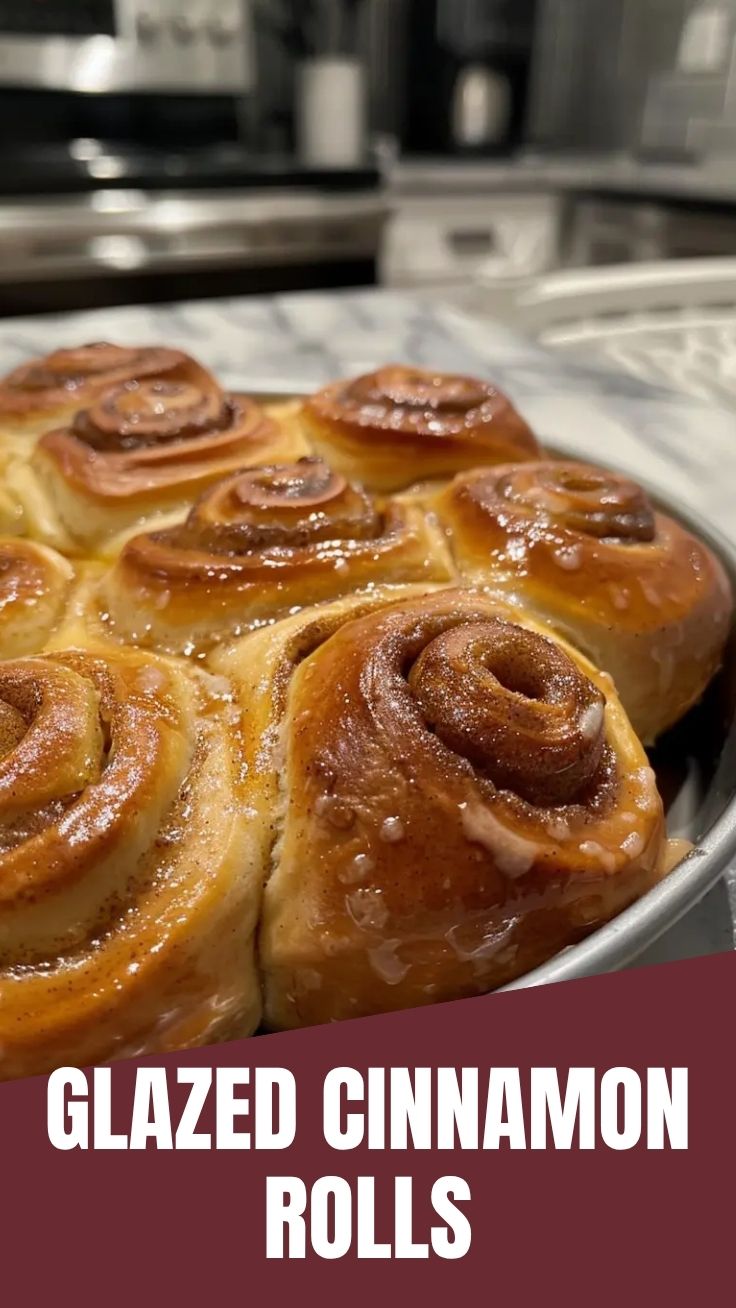
Making Cinnamon Rolls (Homemade) from scratch is a rewarding journey that delivers unmatched aroma, texture, and taste. By following this detailed Cinnamon Roll Recipe, you’ve learned how to activate yeast, develop gluten, avoid common pitfalls, and customize flavors for any dietary need. The result is a warm, tender roll with a caramelized cinnamon swirl and luscious cream cheese frosting—all made in your own kitchen. We’d love to see your results: snap a photo, share it on social media with #HomemadeCinnamonRolls, and tag us. For more baking inspiration, explore our collection of breakfast sweet rolls and yeasted dough recipes.
—
FAQs
1. Can I use bread flour instead of all-purpose flour?
Yes—bread flour (higher protein) creates a chewier, more structured roll. Increase liquid by 1–2 tbsp if the dough feels stiff.
2. My dough didn’t rise. What went wrong?
Three common causes: water too hot (kills yeast), water too cold (doesn’t activate yeast), or expired yeast. Always check the date and use an instant-read thermometer.
3. How can I make the rolls less sweet?
Reduce brown sugar in the filling to ¾ cup and cut powdered sugar in the frosting by ¼ cup. You can also use a glaze (milk + powdered sugar) instead of cream cheese frosting.
4. Can I make the dough in advance without baking?
Absolutely. After shaping, cover the pan tightly with plastic wrap and refrigerate up to 24 hours. Bake straight from the fridge, adding 5 minutes to baking time.
5. Why did my filling leak out?
The butter was too warm or the roll wasn’t rolled tightly enough. Chill the butter before spreading, and pinch the seam firmly. Use a rimmed baking sheet to catch any overflow.
Best way to grow your Homemade Cinnamon Rolls dough
Ingredients
Equipment
Method
- Activate the yeast by combining warm milk, 1 teaspoon of sugar, and yeast in a large bowl, then let it sit for 5-10 minutes until foamy.
- Whisk in the remaining sugar, egg, and melted butter into the yeast mixture.
- Gradually add flour and salt to the wet ingredients, mixing until a shaggy dough forms.
- Knead the dough on a lightly floured surface for 5-7 minutes until it becomes smooth and elastic.
- Place the dough in a greased bowl, cover it with plastic wrap or a damp cloth, and let it rise in a warm place for 1-1.5 hours, or until doubled in size.
- Once risen, gently punch down the dough to release air, then proceed with shaping and baking your cinnamon rolls as desired.
Notes
Ensure your milk is not too hot, as it can kill the yeast and prevent your dough from rising.