The Ultimate Guide to Homemade Orange Chicken: Crispy, Sticky, and Better Than Takeout
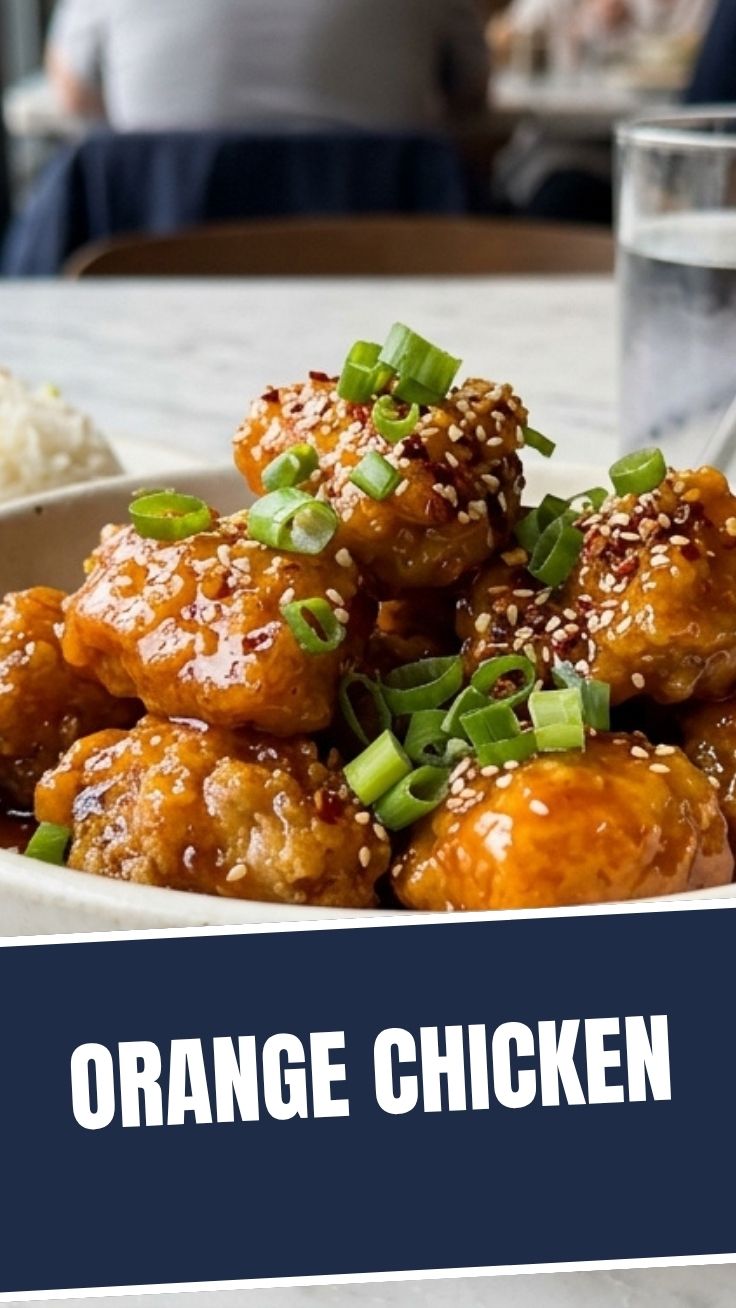
Have you ever wondered why restaurant-style Orange Chicken tastes so impossibly good, yet seems impossible to replicate at home? The secret isn’t a secret ingredient—it’s technique. This iconic dish, with its crispy golden coating and glossy, tangy-sweet glaze, is a staple of American-Chinese cuisine. But making it from scratch offers something takeout never can: total control over freshness, oil quality, and sugar levels. Whether you’re craving that signature crunch or a sauce that clings to every piece, learning to craft Orange Chicken at home transforms a weeknight dinner into a culinary event. In this guide, we’ll also explore how it compares to the spicier, darker General Tso’s Chicken, so you can master both.
Ingredients & Kitchen Tools
For the Chicken & Marinade:
– Boneless, skinless chicken thighs (1.5 lbs) – Thighs stay juicier than breasts during frying; cut into 1-inch cubes.
– Soy sauce (2 tbsp) – Use low-sodium to control saltiness.
– Rice wine or dry sherry (1 tbsp) – Adds depth; omit for alcohol-free.
– Ginger (1 tsp, grated) – Fresh is non-negotiable for brightness.
For the Crispy Coating:
– Cornstarch (¾ cup) – Creates the signature shatter-crisp texture; arrowroot works as a substitute.
– All-purpose flour (¼ cup) – Adds structure; use gluten-free blend for GF version.
– Egg whites (2) – Lightens the batter; can use whole eggs for denser coating.
– Baking powder (½ tsp) – Makes the crust extra airy.
For the Orange Glaze:
– Fresh orange juice (1 cup) – Bottled won’t thicken properly; zest the orange first.
– Rice vinegar (2 tbsp) – Balances sweetness; apple cider vinegar works.
– Brown sugar (⅓ cup) – Packed; honey or maple syrup are alternatives.
– Soy sauce (1 tbsp) – For umami.
– Garlic (3 cloves, minced) – Fresh only.
– Red pepper flakes (½ tsp) – Adjust for heat.
Kitchen Tools:
– Heavy-bottomed pot or wok (for deep frying)
– Digital thermometer (critical for oil temp)
– Microplane or zester
– Wire rack set over a baking sheet
– Whisk and small saucepan
Prep Time & Cooking Schedule
– Prep Time: 25 minutes (marinating, chopping, making sauce)
– Cook Time: 20 minutes (frying in batches + glazing)
– Resting Time: 5 minutes after frying (on wire rack)
– Total Active Time: 45 minutes
Planning tip: Make the sauce and marinate the chicken while the oil heats. Fry in batches of 4–6 pieces to avoid overcrowding, which drops oil temperature and creates soggy coating. Serve immediately—this dish waits for no one.
Step-by-Step Instructions
1. Marinate the chicken: In a bowl, toss cubed chicken with soy sauce, rice wine, and grated ginger. Let sit 15 minutes at room temperature—this seasons the meat and helps the coating adhere.
2. Make the glaze: In a small saucepan, combine orange juice, zest, rice vinegar, brown sugar, soy sauce, garlic, and pepper flakes. Simmer over medium heat, stirring occasionally, until reduced by half and syrupy (about 10 minutes). Whisk in a cornstarch slurry (1 tbsp cornstarch + 2 tbsp water) to thicken. Set aside.
3. Prepare the coating: Whisk cornstarch, flour, and baking powder in a bowl. In a separate bowl, beat egg whites until frothy. Dip each marinated chicken piece into egg whites, then toss in the dry mixture, pressing firmly.
4. Fry to golden perfection: Heat 2 inches of oil in a heavy pot to 350°F (175°C). Fry chicken in small batches for 4–5 minutes, turning occasionally, until deep golden and cooked through. Transfer to a wire rack—do not drain on paper towels (they steam the crust).
5. Glaze and toss: Reheat the orange sauce. Toss fried chicken in the warm glaze until evenly coated. For extra crunch, serve immediately. This Orange Chicken process emphasizes crispness, whereas General Tso’s Chicken typically uses a darker, spicier sauce with a slightly thicker coating.
Nutritional Benefits & Advantages
This homemade version offers significant advantages over takeout. By controlling the oil, you reduce trans fats. Using fresh orange juice provides vitamin C (about 40% of daily value per serving) and antioxidants. Chicken thighs offer iron and B vitamins, while the ginger and garlic support immune function. A serving (about 6 pieces) contains approximately 380 calories, 22g protein, and 18g fat—roughly 30% less than restaurant versions. For a lighter option, bake the coated chicken at 425°F for 20 minutes, spraying with oil.
Tips, Variations & Cooking Advice
– Heat level: Add sriracha or chili garlic paste to the glaze for extra kick.
– Citrus swap: Use mandarin or tangerine juice for a milder flavor.
– Gluten-free: Substitute tamari for soy sauce and use all cornstarch (no flour).
– Air fryer method: Cook coated chicken at 400°F for 12 minutes, shaking halfway, then toss with reduced glaze.
– Meal prep: Fry chicken without sauce, refrigerate, and reheat in an air fryer before glazing.
Common Mistakes to Avoid
– Soggy coating: Skipping the wire rack after frying is the #1 mistake. Steam trapped under chicken destroys crispness.
– Burned garlic: Add garlic to the sauce only after removing from heat—it continues to cook and can turn bitter.
– Overcrowding the pan: Oil temperature drops below 325°F, causing absorption and greasy results.
– Sauce too thin: Reduce the glaze until it coats the back of a spoon. If still thin, add more cornstarch slurry.
– Using pre-cut chicken: Uneven sizes lead to overcooked edges and raw centers. Cut uniform 1-inch cubes.
Storage & Meal Prep Tips
Store leftover Orange Chicken in an airtight container in the refrigerator for up to 3 days. For best texture: Keep sauce separate from chicken. Reheat chicken in an air fryer at 375°F for 5 minutes, then toss with reheated sauce. Freezing is possible but compromises crispness—freeze fried unglazed chicken for up to 2 months, then reheat and glaze fresh. The sauce freezes well for up to 3 months in a sealed jar.
Conclusion
Mastering Orange Chicken at home unlocks a world of flavor that’s fresher, healthier, and more customizable than any takeout container. From the shatter-crisp coating to the bright, sticky glaze, every step matters. Compare it to the bolder, spicier profile of General Tso’s Chicken, and you’ll see how small adjustments create entirely different experiences. Whether you’re cooking for a family dinner or impressing guests, this recipe delivers restaurant-quality results. Try it tonight, share your photos, and explore more recipes that bring the world’s flavors into your kitchen.
FAQs
Can I use chicken breast instead of thighs?
Yes, but reduce frying time by 1 minute to prevent dryness. Pound to even thickness first.
Why did my coating fall off during frying?
The chicken wasn’t dry enough before coating, or the oil was too cool. Pat chicken dry after marinating, and maintain 350°F.
How do I make the sauce less sweet?
Reduce brown sugar to ¼ cup and add an extra tablespoon of rice vinegar.
Can I make this dairy-free?
Absolutely—this recipe contains no dairy. For egg-free, substitute buttermilk (1 tbsp lemon juice + milk alternative) for the egg whites.
What’s the difference between this and General Tso’s?
Orange Chicken uses orange juice and zest for a citrus-forward, sweeter profile. General Tso’s Chicken relies on soy sauce, rice vinegar, and dried chilies for a darker, spicier, and more savory balance.