Why Your Oven-Roasted Vegetables Taste Better at Home (And How to Master Them)
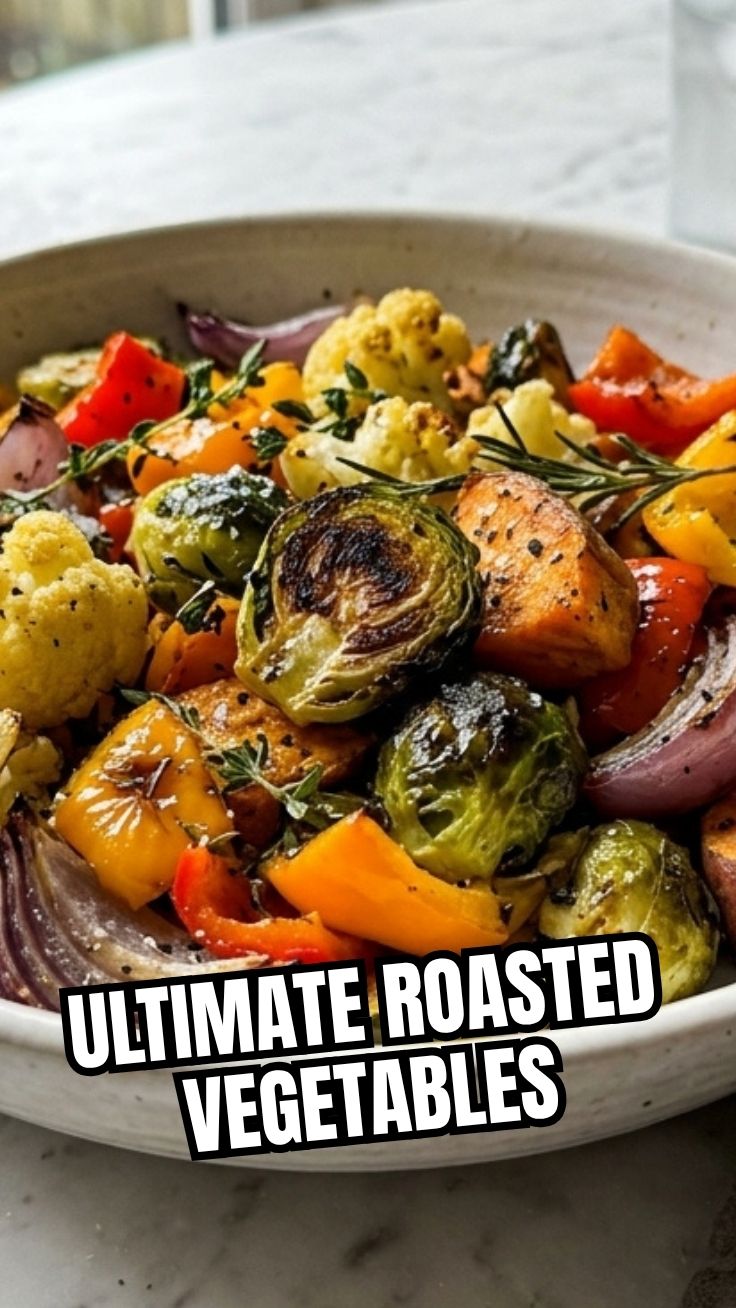
Have you ever wondered why some home cooks achieve perfectly caramelized Roasted Vegetables while others end up with soggy, bland results? The secret isn’t a fancy kitchen gadget—it’s understanding heat distribution, moisture control, and seasoning timing. When you prepare roasted vegetables at home, you control the quality of olive oil, the freshness of produce, and the level of char. Plus, you can adapt any recipe to your dietary needs. For a complete meal that requires minimal cleanup, pair your technique with these Sheet Pan Vegetables—they cook everything together in one tray, saving time and intensifying flavors. Whether you’re a beginner or a seasoned cook, this guide will help you achieve crispy, golden perfection every time.
—
Ingredients & Kitchen Tools
For Basic Roasted Vegetables (serves 4):
– 3 cups mixed vegetables (broccoli, bell peppers, zucchini, carrots, red onion) – cut into uniform 1-inch pieces for even cooking
– 3 tablespoons extra-virgin olive oil – helps caramelization and prevents sticking
– 2–3 cloves garlic, minced – adds depth without burning if added halfway through
– 1 teaspoon dried thyme or rosemary – aromatic herbs that complement most veggies
– ½ teaspoon salt and ¼ teaspoon black pepper – enhances natural sweetness
– Optional: 1 tablespoon balsamic vinegar or lemon juice – for a tangy finish after roasting
Tools & Utensils:
– Large rimmed baking sheet (preferably 18×13 inches) – allows space for even heat
– Parchment paper or silicone baking mat – prevents sticking and simplifies cleanup
– Chef’s knife and cutting board
– Mixing bowl and spatula or tongs
Substitutions:
– Swap olive oil for avocado oil (higher smoke point) or melted coconut oil for a subtle sweetness
– Use fresh herbs like basil or oregano; add during the last 5 minutes to avoid wilting
– For low-sodium diets, use garlic powder, smoked paprika, and no salt
—
Prep Time & Cooking Schedule
– Prep time: 15 minutes (washing, chopping, seasoning)
– Cook time: 25–35 minutes at 425°F (220°C)
– Resting time: 5 minutes after removing from oven – allows steam to settle and edges to crisp further
Plan ahead: Vegetables can be cut up to 24 hours in advance and stored airtight in the fridge. If you’re short on time, preheat your oven while you chop. The high temperature is critical for caramelization without turning the vegetables to mush.
—
Step-by-Step Instructions
1. Preheat your oven to 425°F (220°C) with the rack in the middle position. A properly heated oven ensures immediate sizzling when the vegetables hit the pan.
2. Wash and dry all vegetables thoroughly – excess moisture will steam rather than roast. Pat them with a clean towel.
3. Cut vegetables into uniform 1-inch pieces to achieve consistent doneness. Hardier roots like carrots can be slightly smaller; softer items like zucchini should be larger to avoid turning mushy.
4. Toss vegetables in a large bowl with olive oil, garlic, herbs, salt, and pepper. Use your hands to coat every piece evenly.
5. Spread the vegetables in a single layer on the baking sheet – avoid overcrowding. If they overlap, they’ll steam instead of brown. Use two sheets if necessary.
6. Roast without disturbing for 20 minutes, then flip with a spatula and rotate the pan for even browning. For extra crispiness, increase oven temperature to 450°F in the final 5 minutes.
7. Check for doneness – the vegetables should be tender when pierced with a fork and have golden-brown edges. A classic sign of perfect roasted vegetables is slight charring on the tips, indicating the natural sugars have caramelized.
8. For a one-pan dinner, try the same method with sheet pan vegetables – simply arrange seasoned veggies and protein (like chicken thighs or shrimp) on a single tray, adjusting cook times as needed. Spread shrimp during the last 10 minutes to prevent overcooking.
Tip: If you add garlic early, it can burn. Instead, add minced garlic during the last 5 minutes of roasting for a mellow, sweet flavor. For even cooking, leave space between pieces—crowding is the #1 enemy of crispiness.
—
Nutritional Benefits & Advantages
– High fiber content – vegetables like broccoli and carrots provide soluble fiber that supports digestion and keeps you full longer.
– Rich in antioxidants – the roasting process concentrates certain compounds like lycopene in tomatoes and beta-carotene in carrots, which are linked to reduced inflammation.
– Low in calories – a typical serving of roasted vegetables (without heavy oil) contains only 80–120 calories while delivering essential vitamins A, C, and K.
– Versatile for dietary plans – naturally gluten-free, dairy-free, and vegan. For lower-carb alternatives, swap starchy vegetables like potatoes for cauliflower or radishes.
– Minimal oil required – using just 1–2 tablespoons per sheet reduces saturated fat while still achieving caramelization. The high heat helps oil go further.
—
Tips, Variations & Cooking Advice
– Flavor variations: Add a squeeze of lemon and fresh parsley after roasting for brightness. Toss with miso paste (1 teaspoon) mixed into the olive oil for umami depth.
– Alternative methods: Try air-frying at 380°F for 12–15 minutes for extra crunch without preheating an oven. Grill in a foil packet for a smokey char.
– Portion changes: For a larger batch, use two sheet pans and rotate them halfway through. Avoid doubling on one pan.
– Dietary adaptations: Use coconut aminos instead of soy for a soy-free glaze. For keto, focus on low-carb vegies like bell peppers, zucchini, and mushrooms.
– Spice blends: Smoked paprika and cumin give a southwestern twist; Italian seasoning with balsamic creates a Mediterranean vibe.
—
Common Mistakes to Avoid
– Overcrowding the pan – leads to steamed, soggy vegetables. Leave at least ½ inch between pieces. Use two sheets if needed.
– Cutting unevenly – thick chunks remain raw while thin ones burn. Measure with your eye: all pieces should be roughly the same size.
– Using too little oil – oil isn’t just for flavor; it’s essential for heat transfer and browing. Drizzle generously and toss.
– Opning the oven too early – resist checking before 20 minutes. Each time you open, heat escapes and cooking time increases.
– Salting before baking – fine, but avoid heavy salting early as it can draw out moisture. Add a pinch at the start and adjust at the end.
– Not resting after baking – allowing a 5-minute rest on the hot sheet lets steam escape and edges harden, preserving crispiness.
—
Storage & Meal Prep Tips
– Refrigeration: Store cooled roasted vegetables in an airtight container for up to 4 days. They absorb odors easily, so separate from strong-smelling foods.
– Frezing: Spread roasted vegetables on a tray and freze until solid (30 minutes), then transfer to a bag. They keep for 3 months. Thaw in the fridge overnight.
– Reheating: For best texture, reheat in a 400°F oven for 5–8 minutes or air-fry at 375°F for 3–4 minutes. Microwaving makes them limp—avoid it.
– Meal prep: Chop and season vegetables the night before; store raw in the fridge. Roast fresh each morning for a quick lunch add-in.
– Resurrecting leftovers: Turn soggy leftovers into a fritata or blend into soup. The caramelized flavor works beautifully in broth.
—
Conclusion
Mastering roasted vegetables transforms a simple side into a star dish—crispy edges, tender centers, and deep, sweet flavors that make you want seconds. By controlling heat, moisture, and seasoning, you can produce restaurant-quality results at home without fuss. Don’t forget to experiment with sheet pan vegetables for effortless weeknight dinners that combine protein and veggies in one pan. Tey the techniques above, share your creations with friends, and explore more recipes that build on this foundation. Your oven is your best ally—use it wisely.
—
FAQs
1. Can I use frozen vegetables for roasting?
Yes, but they release more moisture. Toss them with oil and season directly while frozen, then spread in a single layer and roast 10–15 minutes longer. Blot off excess steam halfway through.
2. What’s the best temperature for crispy vegetables?
425°F–450°F (220°C–230°C) is ideal. Lower temperatures (below 400°F) tend to steam rather than carmelize. Always preheat fully before adding the tray.
3. My vegetables always come out burnt on the outside and raw inside. What went wrong?
Most likely, pieces were cut too large or the temperature was too high. Aim for 1-inch cubes and roast at 425°F, flipping halfway. Also ensure even spacing.
4. How can I add flavor without extra calories?
Use spices like smoked paprika, cumin, or cayenne. Dry herbs (thym, rosemary) are nearly calorie-free. A final squeeze of lemon or splash of vinegar brightens without oil.
5. Can I roast onions and garlic together?
Yes, but add garlic later (last 5 minutes) because it burns faster. Onions can go in from the start—cut them into wedges so they carmelize evenly.
Best way to grow perfect Roasted Vegetables 3 ways
Ingredients
Equipment
Method
- Preheat your oven to 200°C (400°F) and prepare your vegetables by washing and chopping the root vegetables into 1-inch pieces.
- Toss the chopped vegetables with olive oil, salt, and pepper in a large bowl, then spread them in a single layer on a baking sheet.
- Roast for 25-30 minutes, or until tender and slightly caramelized, flipping halfway through for even cooking.
- Preheat your oven to 200°C (400°F) and prepare your vegetables by washing the broccoli, cherry tomatoes, and cutting the red onion into wedges.
- In a bowl, combine the vegetables with olive oil, dried mixed herbs, garlic powder, salt, and pepper, then spread them on a baking sheet.
- Roast for 20-25 minutes, or until the vegetables are tender and the tomatoes have burst, stirring occasionally.
- Preheat your oven to 200°C (400°F) and prepare your vegetables by slicing the bell peppers and zucchini, and having corn kernels ready.
- Toss the vegetables with olive oil, chili powder, cumin, smoked paprika, salt, and pepper in a large bowl, ensuring they are well coated.
- Spread the seasoned vegetables on a baking sheet in a single layer and roast for 18-22 minutes, or until they are tender-crisp and slightly charred.