Here is the comprehensive, SEO-optimized blog post you requested, following your precise structure and keyword guidelines.
—
The Ultimate Creamy Coleslaw: A Perfectly Tangy & Crunchy Side Dish
Have you ever wondered why restaurant-style Coleslaw tastes so much better than the watery, bland versions from a tub? The secret isn’t a mystery—it’s a perfect balance of freshness, texture, and a well-emulsified dressing. Making this classic side dish at home is not only incredibly easy but also allows you to control the ingredients, ensuring a vibrant crunch and a tangy-sweet flavor profile that pairs perfectly with barbecue, fried chicken, or tacos. This particular coleslaw recipe unlocks that signature flavor, saving you money and impressing any crowd.
Ingredients & Kitchen Tools
The Core Ingredients
– 1 medium head of green cabbage (about 2 lbs): The star of the show. Shred it finely for a tender yet crunchy texture. Napa cabbage can be a softer substitute.
– 2 large carrots: Added for natural sweetness and vibrant color. Peel and grate them finely.
– 1/2 cup full-fat mayonnaise: The creamy base. For a tangier slaw, use a high-quality brand like Hellmann’s or Duke’s.
– 2 tablespoons apple cider vinegar: Provides essential acidity and cuts through the richness.
– 1 tablespoon granulated sugar: Balances the tanginess. Adjust to your taste preference.
– 1 teaspoon celery seeds: A signature ingredient that adds a subtle earthy, savory note. Do not skip this!
– 1/2 teaspoon salt: Enhances the overall flavor and helps draw moisture out of the cabbage.
– 1/4 teaspoon black pepper: For a mild kick.
Kitchen Tools & Utensils
– Large mixing bowl: For combining the vegetables.
– Medium mixing bowl or jar: For whisking the dressing.
– Chef’s knife: For halving and coring the cabbage.
– Cutting board: A sturdy surface for chopping.
– Box grater or food processor: For efficient shredding of cabbage and carrots.
– Whisk or fork: For emulsifying the dressing.
– Colander: Optional, for draining salted cabbage.
Prep Time & Cooking Schedule
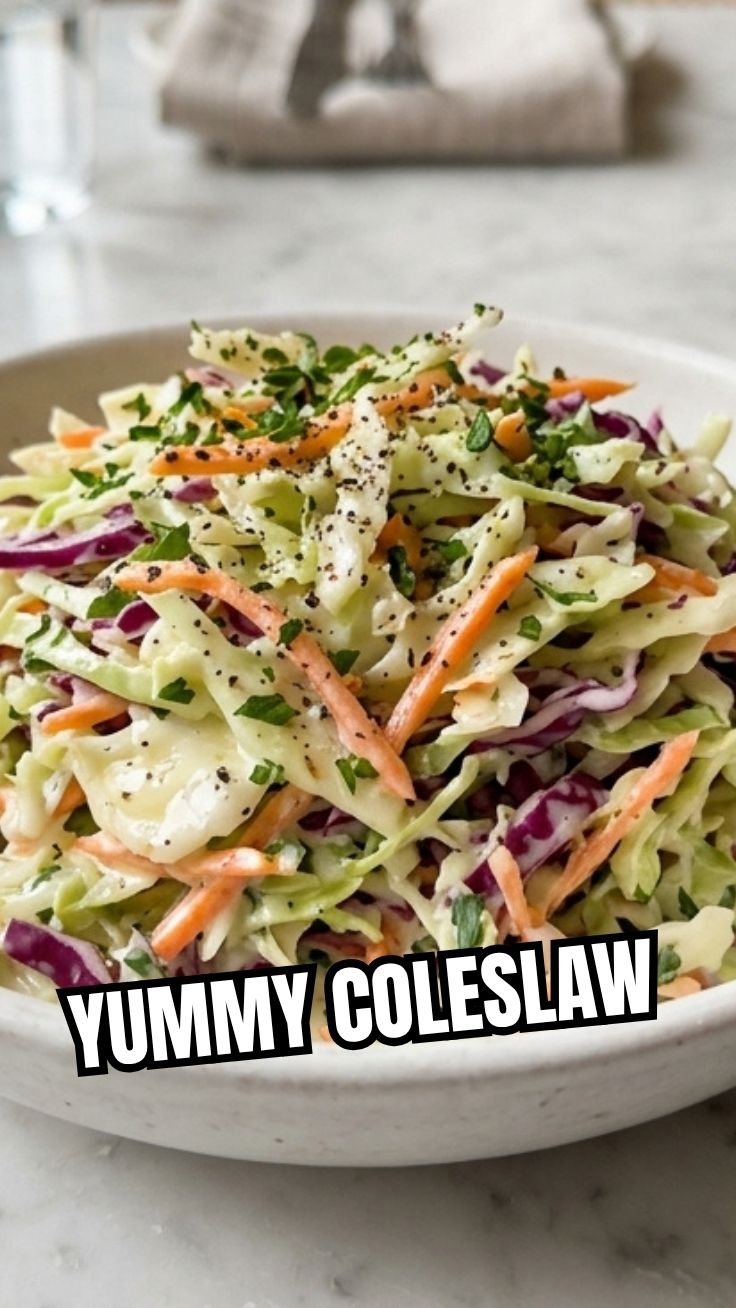
– Prep Time: 20 minutes (includes washing, chopping, and grating).
– Resting Time: 1 to 2 hours minimum (crucial for flavor melding).
– Total Time: 1 hour and 20 minutes.
Why the Resting Time Matters: While you can technically eat coleslaw immediately, letting it rest allows the cabbage to soften slightly (without losing its crunch) and for the flavors to marry beautifully. Plan ahead, as this is a “make-ahead” dream dish.
Step-by-Step Instructions
Follow these steps for a foolproof, restaurant-quality result.
1. Prepare the Cabbage and Carrots: Remove the outer leaves of the cabbage. Cut it in half, then into quarters, and remove the hard white core. Using a sharp knife or the shredding disc of your food processor, finely shred the cabbage. Transfer to a large bowl. Grate your peeled carrots on the large holes of a box grater into the same bowl.
2. Salt the Cabbage (Crucial Step): Sprinkle the shredded cabbage and carrots with 1/2 teaspoon of salt. Toss to combine. Let it sit for 10–15 minutes. This draws out excess water, preventing a watery slaw. Squeeze the vegetables gently with your hands to release the liquid, then drain in a colander. This is a pro-tip for maximum crunch.
3. Create the Signature Dressing: In your medium bowl or jar, combine the mayonnaise, apple cider vinegar, sugar, celery seeds, and black pepper. Whisk vigorously until the dressing is completely smooth and the sugar has dissolved. Taste the dressing here and adjust the sugar or vinegar to your liking. This is the heart of any great Coleslaw.
4. Combine and Let it Marry: Pour the creamy dressing over the drained cabbage and carrots. Fold gently with a spatula until every shred is evenly coated. For the best flavor, cover the bowl and refrigerate for at least one hour. This specific coleslaw recipe relies on this resting period to achieve its iconic creamy-yet-crunchy texture.
Nutritional Benefits & Advantages
Beyond its incredible taste, coleslaw offers notable nutritional value. Cabbage is a low-calorie vegetable packed with vitamin K, vitamin C, and fiber, which is excellent for digestive health and immunity. Carrots add a potent dose of beta-carotene (vitamin A) for healthy vision. While mayonnaise adds fat, choosing a full-fat version provides a more satiating meal element. This dish provides a substantial portion of roughage, helping you feel full and satisfied. It is naturally gluten-free and, if you use a vegan mayo, can be a wonderful dairy-free and plant-based side.
Tips Variations & Cooking Advice
– Go Dairy-Free/Vegan: Simply swap the regular mayonnaise for a quality vegan mayonnaise. The flavor profile remains fantastic.
– Spice it Up: Add 1/4 teaspoon of cayenne pepper or a few dashes of your favorite hot sauce to the dressing for a spicy kick.
– Add a Crunchy Twist: Fold in 1/4 cup of toasted sunflower seeds, slivered almonds, or crushed ramen noodles right before serving.
– Use a Different Acid: Substitute white wine vinegar or lemon juice for the apple cider vinegar for a different tang.
– Make it a “Kitchen Sink” Slaw: Add thinly sliced red onion, shredded Brussels sprouts, or a bit of julienned apple for extra flavor and textural complexity.
Common Mistakes to Avoid
1. Skipping the Salting Step: This is the #1 cause of a watery, diluted coleslaw. The salt pulls out moisture that would otherwise pool at the bottom of your bowl and ruin the dressing’s consistency.
2. Overdressing the Cabbage: Start with less dressing than you think you need. You can always add more, but you can’t take it away. The cabbage will continue to soften and release liquid as it sits.
3. Cutting the Cabbage Too Coarsely: Large, thick chunks of cabbage are unpleasant to eat and don’t absorb the dressing well. Aim for fine, thin shreds for the best texture.
4. Serving Immediately: Coleslaw that hasn’t rested tastes like raw vegetables with separate dressing. The magic happens when the flavors meld in the fridge for at least an hour.
Storage & Meal Prep Tips
– Storage: Transfer leftover coleslaw to an airtight container. It will keep well in the refrigerator for up to 3-5 days.
– Freezing: Do not freeze coleslaw. The texture of the cabbage and the emulsion of the dressing will be completely destroyed upon thawing, resulting in a mushy, watery slop.
– Reheating: Coleslaw is traditionally served cold. No reheating is needed. If it has separated slightly after a few days, give it a good stir before serving.
– Meal Prep: This is a fantastic meal prep dish. Make it 1-2 days in advance. The flavors will be even better!
Conclusion
We’ve demystified the art of the perfect creamy side. By following these simple steps—salting your vegetables, creating a balanced dressing with apple cider vinegar and celery seeds, and allowing time for the flavors to meld—you can create a standout Coleslaw that rivals any restaurant. This versatile, make-ahead coleslaw recipe is guaranteed to become a staple at your cookouts, weeknight dinners, and holiday feasts. Give it a try, and let us know in the comments how it turned out! Share your photos and tag us on social media.
FAQs
1. Can I use a pre-shredded bag of coleslaw mix?
Yes, you can use a 14-16 oz bag of coleslaw mix for convenience. However, it’s already been washed and may be drier. I recommend squeezing it gently to remove any excess moisture from the bag and still following the salting step for the best texture.
2. My coleslaw is too runny. What did I do wrong?
The most common reasons are not salting the cabbage to draw out water or adding too much dressing. To fix a runny slaw, you can drain off the excess liquid, add a bit more shredded cabbage or carrots to absorb the moisture, or stir in a tablespoon of dry, instant mashed potato flakes to thicken the dressing.
3. How can I make this recipe without dairy or for a vegan diet?
This recipe is naturally dairy-free as written (most mayonnaise is dairy-free). For a completely vegan version, simply use a plant-based vegan mayonnaise. The rest of the ingredients are already vegan-friendly.
4. What is the best substitute for celery seeds?
Celery seeds have a unique, earthy flavor. If you don’t have them, the best substitute is an equal amount of dried dill weed or a very small pinch of ground celery salt (but reduce the added salt in the recipe). Finely minced fresh celery can also add a similar aromatic note.
5. How far in advance can I make coleslaw?
Coleslaw is perfect for making ahead. It tastes best after 1-2 days in the refrigerator. You can safely make it up to 3 days in advance. Just give it a good stir before serving, as the dressing may settle.
Proven way to grow 5 Coleslaw
Ingredients
Equipment
Method
- Prepare your chosen planting area by mixing compost and gardening soil, ensuring good drainage.
- Plant the different coleslaw seeds according to package directions, allowing adequate space between each type.
- Water thoroughly after planting and continue to keep the soil consistently moist.
- Ensure the plants receive adequate sunlight, typically 6-8 hours daily, and consider fertilizing every few weeks.
- Monitor for pests and diseases, addressing them promptly with appropriate organic solutions.
- Harvest the coleslaw heads when they reach the desired size and firmness, usually within 60-90 days.