The Ultimate Guide to Perfect Mashed Potatoes: Creamy, Fluffy, and Foolproof Every Time
Have you ever wondered why restaurant-style Mashed Potatoes taste so much creamier and more flavorful than the ones you make at home? The secret isn’t a fancy ingredient—it’s technique. Mastering this classic side dish transforms any meal into a comforting feast. Whether you’re preparing a holiday dinner or a weeknight comfort meal, learning to make exceptional Mashed Potatoes at home saves money, allows complete control over ingredients, and delivers results that rival any professional kitchen. Plus, once you master the basics, you’ll find endless inspiration from other potato recipes that build on these foundational skills.
Ingredients & Kitchen Tools
For the perfect Mashed Potatoes:
– 2 pounds Yukon Gold potatoes – Their buttery flavor and waxy texture create naturally creamy mash without excessive starchiness
– ½ cup unsalted butter (1 stick) – Room temperature butter incorporates more smoothly than cold
– ½ cup whole milk or heavy cream – Warm liquid prevents cooling the potatoes; cream yields richer results
– Salt (1-2 teaspoons) – Season generously; potatoes require more salt than you expect
– Freshly ground black pepper – Adds subtle heat and depth
– Optional: 2-3 garlic cloves (roasted or boiled), ¼ cup sour cream, fresh chives or parsley
Kitchen tools:
– Large pot (5-6 quart) – Allows potatoes room to boil without overcrowding
– Colander – For draining cooked potatoes
– Potato masher or ricer – Ricer creates fluffier texture; masher offers rustic appeal
– Wooden spoon or silicone spatula – Gentle mixing prevents overworking
– Measuring cups and spoons
– Vegetable peeler – Optional if leaving skins on for rustic mash
Prep Time & Cooking Schedule
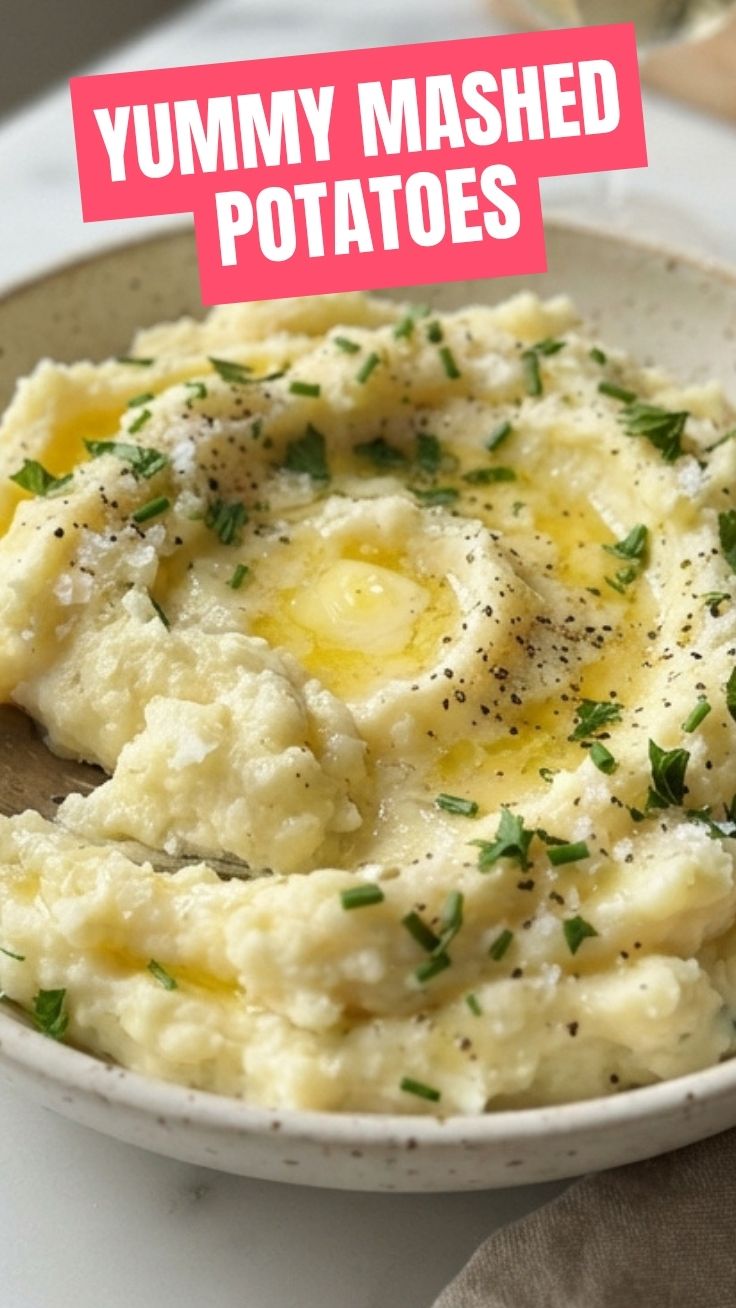
Total time: 35-40 minutes
– Prep time: 10 minutes (peeling, chopping, measuring ingredients)
– Cook time: 20-25 minutes (boiling potatoes)
– Mashing and finishing: 5-8 minutes
– Resting time: 2-3 minutes after mashing
Pro tip: Start warming your milk or cream while potatoes boil. This small step prevents temperature shock that can make mash gluey rather than fluffy.
Step-by-Step Instructions
1. Prepare the potatoes: Peel and cut potatoes into uniform 1½-inch cubes. Consistent sizing ensures even cooking—larger pieces cook slower, creating lumps.
2. Boil properly: Place potatoes in a large pot, cover with cold salted water by 1 inch. Cold water start extracts starch gradually for fluffier Mashed Potatoes. Bring to a gentle boil over medium-high heat, then reduce to a simmer.
3. Check doneness: After 15-18 minutes, test with a fork—potatoes should slide off easily but not fall apart. Overcooking makes them waterlogged, undercooking leaves lumps.
4. Drain thoroughly: Pour potatoes into a colander and let steam escape for 30 seconds. Residual water dilutes flavor and creates watery potato recipes that lack richness.
5. Warm your fats: In the same pot, melt butter with warm milk or cream over low heat. Turn off heat before adding potatoes.
6. Mash with care: Add drained potatoes to the warm butter mixture. Mash with a masher or press through a ricer. Gentle motion prevents gluten development that creates gluey texture. Fold gently with a spatula until just combined—over-mixing releases too much starch.
7. Season and finish: Add salt and pepper in small increments, tasting as you go. Remember that cold potatoes taste less salty, so season slightly more than you think needed.
8. Serve immediately: Transfer to a warmed serving bowl. Mashed potatoes cool quickly, so pre-warming dishes helps maintain temperature.
Nutritional Benefits & Advantages
Mashed Potatoes offer surprising nutritional value beyond comfort food status. A single medium potato provides 30% of your daily vitamin C requirement, more potassium than a banana, and significant B6 for brain health. When paired with butter and milk, you also receive vitamin A, calcium, and healthy fats that aid in absorbing fat-soluble nutrients.
For health-conscious cooks, these potato recipes can be adapted to retain nutrients. Leaving skins on adds fiber and antioxidants. Using olive oil instead of butter reduces saturated fat while adding heart-healthy monounsaturated fats. The resistant starch in cooled potatoes turns this dish into a prebiotic food that supports gut health—perfect for meal prep enthusiasts.
Tips Variations & Cooking Advice
Flavor variations to transform your Mashed Potatoes:
– Roasted garlic: Incorporate 6-8 roasted garlic cloves for sweet, nutty depth
– Herb infusion: Steep rosemary or thyme sprigs in warm milk before adding
– Cheese boost: Fold in ½ cup grated Parmesan or sharp cheddar while hot
– Spicy twist: Add ½ teaspoon smoked paprika or cayenne for warmth
Dietary adaptations:
– Dairy-free: Substitute unsweetened oat milk and vegan butter; add 2 tablespoons nutritional yeast for savory flavor
– Low-fat: Use chicken or vegetable broth instead of milk; reduce butter to 2 tablespoons
– Gluten-free: Naturally gluten-free, but check seasoning blends for additives
Cooking method alternatives:
– Baked potatoes: Roast whole potatoes at 400°F for 60 minutes, then scoop and mash for concentrated potato flavor
– Pressure cooker: Cook cubed potatoes in Instant Pot for 8 minutes with 1 cup water
Common Mistakes to Avoid
1. Starting potatoes in hot water: This seals the outer layer, leaving centers undercooked. Always start with cold water for even cooking.
2. Overworking the mash: Vigorous mixing develops gluten and breaks starch cells, creating a gluey, paste-like texture. Fold gently just until combined.
3. Cold ingredients: Adding cold butter or cold milk to hot potatoes shocks the temperature, causing separation and a greasy mouthfeel. Always warm your fats.
4. Underseasoning: Potatoes absorb salt differently than other vegetables. Taste multiple times during preparation and remember they need more salt than you anticipate.
5. Skipping the rest: Mashed potatoes need 2-3 minutes after mashing for flavors to meld. Serving immediately can mean bland, unintegrated taste.
Storage & Meal Prep Tips
Refrigeration: Store cooled Mashed Potatoes in an airtight container for up to 4 days. Press plastic wrap directly onto the surface to prevent skin formation. To reheat, add 2-3 tablespoons milk or cream per cup of mash, then warm gently on the stovetop, stirring constantly, or microwave in 30-second bursts.
Freezing: Flash-freeze individual portions on a baking sheet, then transfer to freezer bags for up to 3 months. Thaw overnight in the refrigerator before reheating. Note that freezing changes texture slightly—these work best in soups, shepherd’s pie, or as potato pancakes.
Meal prep hack: Make a double batch on Sunday. Use half immediately and transform the other half into crispy potato cakes or cheesy potato casserole for a quick weekday dinner.
Conclusion
Perfecting Mashed Potatoes at home is a culinary skill that pays dividends across countless meals. The key lies in selecting the right potato variety, controlling temperature at every stage, and handling the mash with gentle precision. Whether you’re following classic techniques or exploring creative potato recipes, the foundation remains the same: quality ingredients, patience, and attention to detail. Try this recipe for your next family dinner and watch how simple adjustments create restaurant-worthy results. Share your creations in the comments below or tag us in your photos—we’d love to see your perfect mash!
FAQs
1. Can I use Russet potatoes instead of Yukon Gold?
Yes, but expect different results. Russets have higher starch content, creating lighter, fluffier mash. However, they absorb more liquid and can become gummy if overworked. Mixing Yukon Golds with Russets offers the best of both worlds—fluffy yet creamy.
2. Why are my mashed potatoes gluey?
Gluey texture usually results from over-mashing or using a food processor. The mechanical action releases too much starch. Switch to a ricer or hand masher, stop mixing as soon as ingredients combine, and always warm your liquid fats.
3. Can I make mashed potatoes dairy-free?
Absolutely. Substitute unsweetened oat milk for its creamy consistency, use vegan butter or olive oil, and consider adding roasted garlic or caramelized onions for depth without dairy.
4. How do I fix watery mashed potatoes?
Return them to the pot over low heat, stirring constantly. The heat evaporates excess moisture. Alternatively, add instant potato flakes 1 tablespoon at a time until desired consistency returns. Avoid adding more liquid until you assess the problem.
5. What’s the best way to reheat leftover mashed potatoes?
The stovetop method works best. Place mash in a saucepan with 2-3 tablespoons milk or cream per cup of potatoes. Heat on low, stirring frequently until hot throughout. Microwaving works in a pinch but can create hot spots and dry edges.
Quick way to grow perfect Mashed Potatoes in 3 steps
Ingredients
Equipment
Method
- Boil the quartered potatoes in salted water until they are very tender when pierced with a fork, which typically takes about 15-20 minutes.
- Drain the cooked potatoes thoroughly and return them to the hot pot to allow any excess moisture to evaporate for a minute or two.
- Mash the potatoes with a potato masher or fork, then stir in the milk, butter, salt, and pepper until the mashed potatoes are smooth and creamy, adjusting seasonings to taste.