The Ultimate Guide to Crafting Perfect Lemonade at Home
Have you ever wondered why store-bought lemonade never quite captures that sunlit, perfectly balanced flavor you crave on a hot summer day? The secret lies in making it yourself. Preparing homemade Lemonade from scratch is not only surprisingly simple but also gives you complete control over sweetness, tartness, and freshness—without any artificial preservatives or high-fructose corn syrup. This guide will walk you through crafting a perfectly refreshing batch, and even includes a modern twist on a classic lemonade recipe that has taken social media by storm. Whether you’re hosting a backyard barbecue or simply craving a glass of sunshine, this versatile drink is your new go-to.
Ingredients & Kitchen Tools
Before you start, gather these essentials:
Ingredients
– 6–8 fresh lemons (preferably organic): Provides bright, natural acidity. Avoid bottled juice.
– 1 cup granulated sugar (or honey/agave for alternatives): Balances tartness; adjust to taste.
– 4–5 cups cold water: Use filtered water for cleaner flavor.
– Ice cubes (optional): For serving.
– Fresh mint leaves or lemon slices (optional garnish): Adds visual appeal and aromatic notes.
Optional Substitutions
– Substitute sugar with erythritol or stevia for a sugar-free version.
– Use lime or grapefruit for a citrus variation.
Kitchen Tools
– Citrus juicer or reamer: Extracts maximum juice without seeds or bitter pith.
– Fine-mesh strainer: Removes pulp and seeds for a smoother texture.
– Large pitcher (2-liter capacity): For mixing and storing.
– Measuring cups and spoons: Ensures accurate proportions.
– Sharp knife and cutting board: For slicing lemons.
Prep Time & Cooking Schedule
– Prep Time: 15 minutes
– Chill Time: 30–60 minutes (optional but recommended for optimal flavor fusion)
– Total Time: 45–75 minutes
Plan ahead: Juice your lemons and make a simple syrup while they come to room temperature. The resting period allows the sweet-tart balance to meld, creating a smoother, more cohesive drink. For best results, prepare your batch 1 hour before serving.
Step-by-Step Instructions
1. Make the simple syrup. In a small saucepan, combine 1 cup sugar and 1 cup water. Heat over medium, stirring constantly, until sugar fully dissolves (about 3 minutes). Remove from heat and let cool completely. This prevents graininess in your final drink.
2. Juice the lemons. Roll each lemon firmly on the countertop to loosen juices, then cut in half crosswise. Use a citrus juicer to extract juice—aim for about 1–1½ cups. Strain through a fine-mesh sieve into a bowl to remove seeds and pulp.
3. Combine and dilute. In a large pitcher, pour the cooled simple syrup, lemon juice, and 3 cups of cold water. Stir gently until fully integrated.
4. Taste and adjust. Sample your Lemonade and add remaining water (up to 1 cup) if too strong. For extra tartness, add a squeeze of fresh juice. For sweetness, stir in additional simple syrup 1 tablespoon at a time.
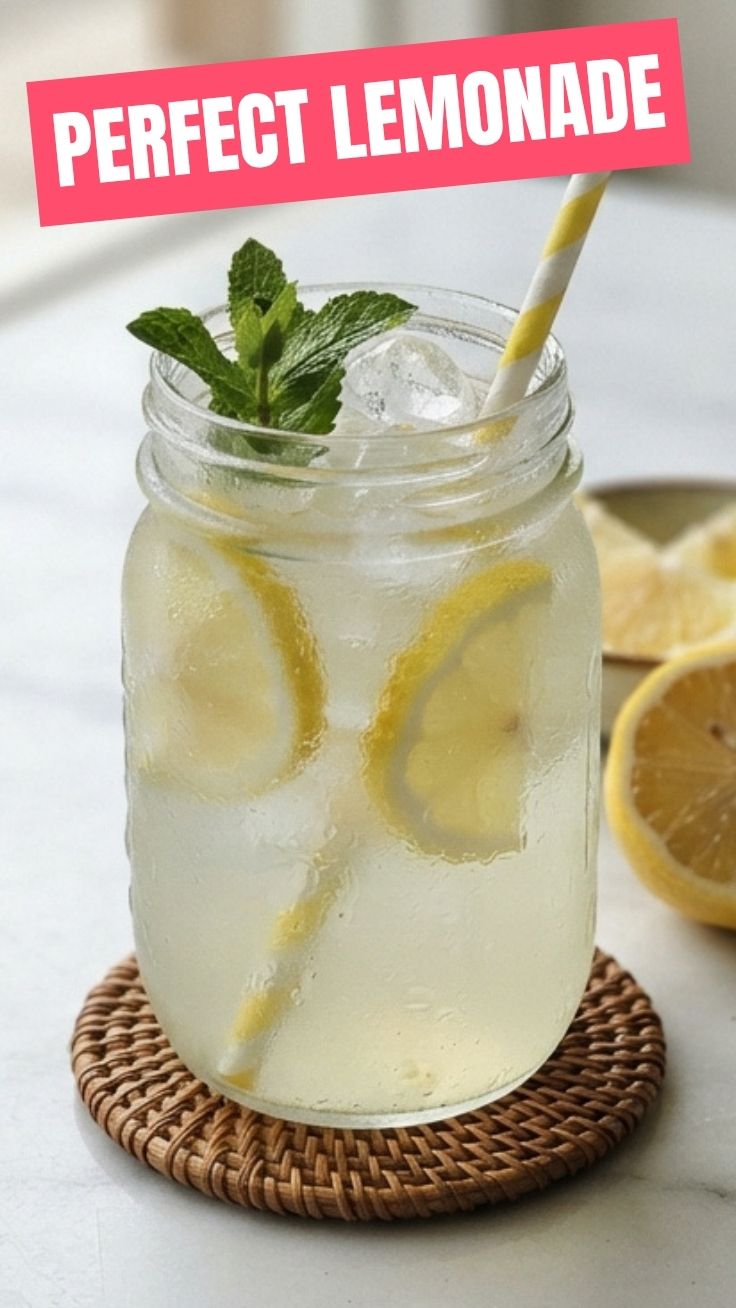
5. Chill and serve. Refrigerate for at least 30 minutes. Serve over ice with a mint sprig or lemon wheel. For a viral twist, try the whipped lemonade recipe hack: blend 1 cup of this lemonade with ½ cup heavy cream and 1 tablespoon condensed milk until frothy, then pour over ice.
Temperature Control Tip: If serving immediately, use very cold water and add ice directly to the pitcher (but note that dilution occurs). For a concentrated base, store syrup and juice separately, then combine with water just before serving.
Nutritional Benefits & Advantages
This homemade lemonade offers significant health advantages over commercial versions. A single 8-ounce serving provides approximately 100–120 calories (depending on sweetener), versus 150–200 in many store brands. Lemons are rich in vitamin C (30–40 mg per lemon), supporting immune function and collagen production. The natural citric acid aids digestion and may help prevent kidney stones. By controlling sugar content, you reduce empty calories—swap for honey or monk fruit for a lower glycemic index. Plus, you avoid artificial colors, flavors, and preservatives commonly found in bottled options.
Tips Variations & Cooking Advice
Flavor Twists
– Berry Lemonade: Muddle ½ cup fresh raspberries or strawberries in the pitcher before adding liquids.
– Herbal Infusion: Steep fresh thyme, basil, or rosemary in the simple syrup while it cools.
– Spicy Kick: Add 1 thinly sliced jalapeño (seeds removed) during chilling.
Dietary Adaptations
– Keto-Friendly: Use ⅓ cup allulose or stevia, plus a drop of liquid monk fruit.
– Vegan: Confirm sugar is vegan-friendly (some brands use bone char); use maple syrup instead.
Method Variations
– Sparkling Lemonade: Replace 2 cups of still water with club soda or seltzer just before serving.
– Frozen Lemonade: Blend the recipe with 3 cups ice until slushy.
Common Mistakes to Avoid
1. Using bottled lemon juice – It lacks the bright, volatile oils found in fresh zest and yields a flat, metallic taste.
2. Skipping the simple syrup – Adding sugar directly to cold liquid takes forever to dissolve and leaves a gritty texture.
3. Over-juicing the rind – Press too hard and you release bitter compounds from the pith. Use gentle, even pressure.
4. Not balancing acidity – If it’s too sour, add more simple syrup; if too sweet, squeeze in another lemon half.
5. Serving too warm – Cold masks harsh notes; always chill at least 30 minutes or serve over abundant ice.
Storage & Meal Prep Tips
– Refrigeration: Store in a covered pitcher for up to 5 days. The flavor actually improves after 24 hours as acidity mellows.
– Freezing: Pour into ice cube trays for later use in cocktails or smoothies. Transfer to a freezer bag after solid.
– Reheating (not typical): If frozen concentrate, thaw overnight in fridge, then dilute and stir.
– Texture Note: Pulp may settle; simply stir before pouring. Do not shake vigorously—it incorporates air and changes mouthfeel.
Conclusion
Making your own Lemonade is a simple yet transformative culinary skill that elevates everyday hydration into a sensory experience. By following this guide, you have all the tools to create a perfectly balanced, refreshing drink tailored to your taste—along with a trendy whipped lemonade recipe for when you’re feeling adventurous. Try it this weekend, tweak the sweetener or acidity to your liking, and share your creation with friends. For more citrus-inspired recipes and hydration hacks, explore our other guides. Your journey to beverage mastery starts here.
FAQs
1. Can I use limes instead of lemonade recipe?
Absolutely! Substitute equal amounts of fresh lime juice for a tangier twist. This works perfectly in a margarita-style variation.
2. How do I fix lemonade that’s too tart?
Add more simple syrup 1 tablespoon at a time, then stir and taste. Alternatively, dilute with a splash of water or sparkling water.
3. What’s the best way to juice lemons without a juicer?
Microwave halved lemons for 20 seconds to soften, then squeeze by hand over a strainer. A fork can help press out remaining juice.
4. Can I make this ahead for a party?
Yes, prepare a double batch up to 3 days ahead. Store the syrup and juice separately, then combine with water and ice just before serving to maintain carbonation (if using still water).
5. Why is my homemade lemonade cloudy?
This is natural from lemon pulp and oils. For a clearer drink, double-strain through cheesecloth or a coffee filter. For a rustic farm-style lemonade, embrace the cloudiness—it adds body.
Proven Way to Grow Lemonade with 3 Tips: Lemonade
Ingredients
Equipment
Method
- Juice the lemons to get 1 cup of fresh lemon juice.
- In a pitcher, combine the lemon juice and sugar, stirring until the sugar dissolves completely.
- Add the cold water to the pitcher and stir well.
- Taste and adjust the sweetness if necessary by adding more sugar or lemon juice.