Beat the Heat with Protein-Packed Summer Meals: Your Ultimate Guide to Light & Satisfying Dishes
Are you tired of heavy, sluggish meals that weigh you down during the sweltering summer months? Imagine the perfect plate: vibrant, refreshing, and bursting with flavor—yet packed with the protein your body craves, all without the calorie overload. That’s the magic of high protein low calorie summer meals. Have you ever wondered how to maintain your fitness goals without sacrificing the joy of seasonal eating? Preparing these light yet filling dishes at home isn’t just a trend; it’s a sustainable lifestyle choice that saves money, reduces processed ingredients, and gives you full control over what goes on your plate. Whether you’re a seasoned meal-prepper or a summer cooking newbie, these recipes transform simple, fresh ingredients into culinary powerhouses that keep you energized and satisfied. Let’s dive into making your warm-weather meals work smarter, not harder.
Ingredients & Kitchen Tools
Essential Ingredients
– Grilled chicken breast (or tofu) – Lean protein base, easily swapped for fish or tempeh; choose organic if possible.
– Cherry tomatoes – Burst of sweetness and lycopene; halve them for quicker cooking.
– Cucumber – Crisp, hydrating, and low-calorie; peel if skins are thick.
– Fresh basil or mint – Aromatic herbs that elevate flavor without added calories.
– Light vinaigrette – Olive oil, lemon juice, Dijon mustard, salt, and pepper; adjust acidity to taste.
Kitchen Tools
– Sharp chef’s knife – For precise chopping of vegetables and herbs.
– Cutting board – Preferably large and non-slip for safety.
– Mixing bowls – One large for salad, one small for dressing.
– Grill pan or skillet – For searing protein; non-stick reduces oil needed.
– Measuring spoons – Essential for controlling calorie-dense oil portions.
Optional Substitutions
– Use canned chickpeas (rinsed) instead of chicken for a vegan high-protein option.
– Swap feta cheese for a dairy-free alternative like almond-based feta or nutritional yeast for a cheesy flavor minus lactose.
– Add avocado for healthy fats, but remember it increases calorie count—use sparingly.
Prep Time & Cooking Schedule
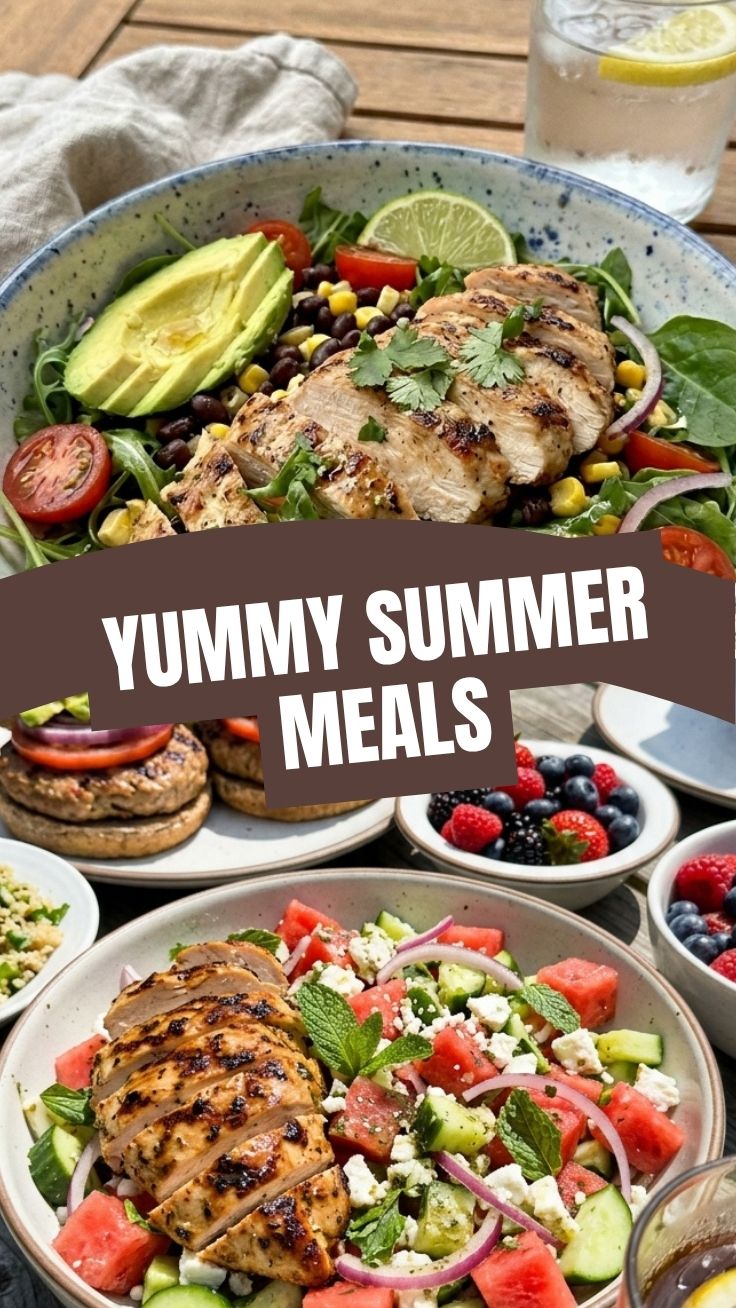
Prep time: 15 minutes | Cook time: 10-12 minutes | Total time: 25-30 minutes
This recipe is designed for efficiency: while your protein grills, you can chop vegetables and whisk the dressing. If using chicken, let it rest for 3-4 minutes after cooking to retain juiciness. For meal prep, allocate an extra 5 minutes to portion into containers. Perfect for busy weeknights or weekend batch cooking—plan accordingly, and you’ll have satisfying lunches ready in a flash.
Step-by-Step Instructions
1. Prepare the protein: Season chicken breasts with salt, pepper, and a pinch of smoked paprika. Grill over medium-high heat for 5-6 minutes per side until internal temperature reaches 165°F. Let rest on a cutting board, then slice against the grain. For tofu, press for 10 minutes to remove moisture, cube, and pan-fry until golden.
2. Chop vegetables: Dice cucumber, halve cherry tomatoes, and thinly slice red onion. Aim for uniform pieces (about ½ inch) for even texture.
3. Make the dressing: Whisk 2 tablespoons olive oil, 1 tablespoon lemon juice, 1 teaspoon Dijon mustard, a pinch of salt, and black pepper. Taste-test and adjust acidity—too sharp? Add a dash of honey or maple syrup.
4. Assemble the bowl: Layer greens (optional), then top with vegetables and sliced protein. Drizzle with dressing just before serving to prevent sogginess. For a heartier meal, add cooked quinoa or farro.
5. Garnish and serve: Sprinkle fresh basil or mint leaves and optional crumbled feta. Serve immediately or refrigerate for later. Remember, these high protein low calorie summer meals aren’t just filling—they’re a celebration of peak-season produce. Pair with a side of refreshing protein salads like a classic Greek salad with grilled shrimp for variety.
Nutritional Benefits & Advantages
This dish is a nutritional powerhouse: a serving (with chicken) provides approximately 35g of protein, 12g of healthy fats, and only 350 calories. Cucumbers and tomatoes deliver hydration (over 90% water content) and antioxidants like vitamin C and lycopene, which support skin health and reduce inflammation. The protein from chicken or chickpeas promotes muscle repair and satiety, making it ideal for post-workout recovery or weight management. Plus, the olive oil-based dressing supplies heart-healthy monounsaturated fats. This meal aligns with low-carb, Mediterranean, and gluten-free diets naturally—no special adjustments needed.
Tips Variations & Cooking Advice
– Flavor twist: Add a pinch of sumac or za’atar for a Middle Eastern flair; or toss in chopped kalamata olives for briny depth.
– Protein swaps: Use canned tuna (packed in water), grilled salmon, or hard-boiled eggs. For plant-based, try marinated tempeh or edamame.
– Dressing alternatives: Try a creamy Greek yogurt-based dressing (mix yogurt, dill, garlic, and lemon) for extra protein and tang.
– Dietary adaptations: To keep it dairy-free, skip the feta or use a cashew-based alternative. For a lower-carb version, omit quinoa and double the vegetables.
– Cooking method: If grilling isn’t an option, roast chicken at 400°F for 20 minutes or air-fry for 12 minutes at 375°F for a crispy exterior.
Common Mistakes to Avoid
– Overcooking protein: Chicken breasts dry out quickly. Use a meat thermometer to avoid this; aim for 165°F and let rest before cutting.
– Soggy salad: Dress the salad only when ready to eat. If prepping ahead, store dressing separately and add just before serving.
– Underseasoning vegetables: Summer produce can be bland without salt. Toss cucumbers and tomatoes with a pinch of salt 5 minutes before assembling to draw out flavor.
– Skipping acid: Lemon juice or vinegar brightens the dish. If it tastes flat, add another squeeze of citrus.
– Portion distortion: While healthy, avocado and nuts add calories quickly. Measure dressings and toppings to stay within your goals.
Storage & Meal Prep Tips
– Refrigeration: Store components separately in airtight containers for up to 3 days. Keep dressing in a small jar and add when serving.
– Freezing: Not recommended—the vegetables lose their crisp texture. However, cooked chicken or tofu can be frozen for up to 2 months and thawed overnight.
– Reheating: For best texture, enjoy cold or at room temperature. If reheating protein, do so gently in a microwave (30-second bursts) or stovetop to avoid toughness.
– Prep ahead: Grill extra protein on Sunday, chop vegetables the night before, and assemble quickly during busy weekdays. Double the dressing recipe to have on hand.
Conclusion
Summer eating doesn’t have to be a trade-off between flavor and fitness. By mastering these light, protein-packed dishes, you unlock a world of vibrant, satisfying meals that keep you cool, energized, and on track with your health goals. Whether you’re embracing high protein low calorie summer meals for muscle maintenance or simply craving something fresh, these recipes prove that eating well can be effortless and delicious. Don’t forget to explore refreshing protein salads for even more inspiration—they’re the ultimate summer sidekick. Now, grab your cutting board and fire up that grill; your taste buds (and your body) will thank you. Share your creations with us, and let us know your favorite summer protein hack!
FAQs
1. Can I use canned chickpeas instead of chicken in this recipe?
Absolutely! Rinse and drain a can of chickpeas, then toss with olive oil and roast at 400°F for 20 minutes for a crispy, high-protein alternative. Each ⅓ cup provides about 7g protein.
2. How do I prevent the salad from becoming watery?
Salt the cucumber and tomatoes lightly, let them sit for 5 minutes, then pat dry with paper towels before adding to the bowl. This removes excess moisture that can dilute the dressing.
3. What’s the best way to add more flavor without extra calories?
Boost flavor with herbs (basil, mint, cilantro), spices (cumin, smoked paprika), or a splash of vinegar. A tablespoon of fresh citrus juice adds brightness for only 4 calories.
4. Can I make this recipe vegan?
Yes! Replace chicken with marinated and grilled tofu, tempeh, or roasted chickpeas. Use a maple-mustard dressing instead of honey if needed, and skip the feta or use a vegan alternative.
5. How long does the dressing stay fresh in the fridge?
Homemade vinaigrette keeps well for up to 2 weeks in an airtight container in the refrigerator. Shake or whisk before using, as oil and vinegar may separate.
Quick way to grow with 7 high protein low calorie summer meals.
Ingredients
Equipment
Method
- Choose your protein source for each meal, such as chicken breast, lean ground turkey, salmon, or eggs.
- Cook proteins using healthy methods like grilling, baking, or pan-searing with minimal oil.
- Prepare a side of mixed greens or steamed fresh vegetables to accompany your protein.
- Consider adding a small portion of complex carbohydrates like quinoa to some meals for sustained energy.
- Portion out each meal evenly for calorie control and store in airtight containers for easy access throughout the week.
- Flavor your meals with herbs, spices, and low-calorie sauces instead of heavy dressings.
- Ensure a variety of proteins and vegetables throughout the week to get a wide range of nutrients.