Is there anything more comforting than a bowl of Roasted Vegetable Soup on a chilly evening? The deep, caramelized flavors that emerge from roasting vegetables transform a simple puree into a luxurious, deeply savory meal. While it feels like a treat from a fancy café, the secret to this incredible depth of flavor is actually the controlled heat of your own oven. Making Homemade Soup Recipes is one of the most valuable skills in the kitchen because you control the quality of ingredients, reduce food waste, and can tailor every spoonful to your taste. This data-backed guide will walk you through every step to achieving a perfectly creamy, intensely flavorful soup that will become a staple in your weekly rotation.
Ingredients & Kitchen Tools
To build the most flavorful base, you need the right ingredients. Each component plays a specific role in the final taste and texture.
– Roasting Vegetables:
– Carrots (3 large): Provide natural sweetness and a velvety texture when blended.
– Celery (3 stalks): Adds a subtle savory note that balances the sweetness.
– Red Bell Pepper (1 large): Contributes a fruity, slightly sweet depth that standard peppers lack.
– Cherry Tomatoes (1 cup): Their high sugar content creates concentrated umami during roasting.
– Garlic (1 whole head): Roasted garlic turns sweet and nutty, eliminating any harsh bite.
– Yellow Onion (1 large): The foundational savory base that becomes sweet and jammy when caramelized.
– Optional Add-ins: Parsnips or butternut squash can replace carrots for a different flavor profile.
– Liquids & Seasoning:
– Olive Oil (3 tbsp): Essential for caramelization; don’t skimp on this.
– Vegetable Broth (4 cups): Use low-sodium to control salt levels.
– Dried Thyme & Rosemary (1 tsp each): Earthy herbs that complement roasted flavors.
– Smoked Paprika (1/2 tsp): Adds a subtle, smoky complexity.
– Salt & Black Pepper: Adjust to taste after blending.
– Kitchen Tools:
– Large Sheet Pan: Ensures single-layer roasting for even caramelization.
– Blender (high-speed): For the smoothest texture. An immersion blender works, but a stand blender yields silkier results.
– Large Pot: For combining the roasted elements with the broth.
– Sharp Chef’s Knife & Cutting Board: For uniform vegetable cuts.
Prep Time & Cooking Schedule
Understanding the timeline is crucial for efficient meal planning. This recipe respects the time needed for deep flavor development.
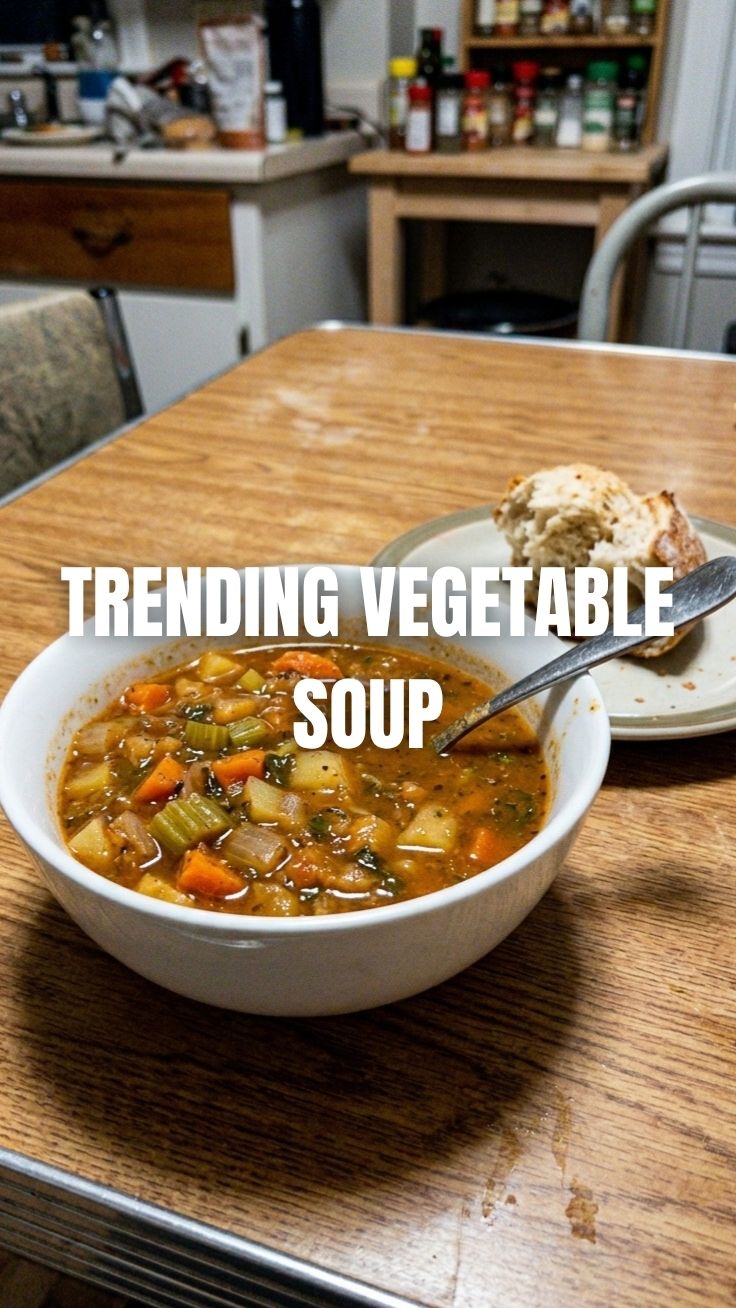
– Vegetable Preparation (15 minutes): Wash, peel, and chop vegetables into 1-inch cubes. Uniform sizes ensure even roasting.
– Roasting Time (35-40 minutes): The active roasting period. This is where the Maillard reaction works its magic. Data note: Vegetables roast most efficiently at 400°F (200°C).
– Blending & Seasoning (10 minutes): Combining the roasted elements with broth and blending until perfectly smooth.
– Resting Time (5 minutes after blending): Allows the flavors to meld fully before serving. Season adjustments come right after blending.
Total Active Time: 25 minutes
Total Time: ~1 hour
This schedule means you can start this soup an hour before dinner and have it ready without stress. The prep is brisk, but the oven does the heavy lifting.
Step-by-Step Instructions
Achieving restaurant-quality texture and flavor requires attention to these specific execution steps.
1. Preheat & Prep Your Tray: Set your oven to 400°F (200°C) . Line a large sheet pan with parchment paper for easy cleanup. This high heat is the secret to caramelization, not steaming.
2. Roast the Vegetables: In a large bowl, toss the chopped carrots, celery, bell pepper, onion, and cherry tomatoes with olive oil, dried thyme, rosemary, and smoked paprika. Spread in a single, even layer on the sheet pan. Cut the top off the head of garlic, exposing the cloves, drizzle with a little oil, wrap in foil, and place it on the pan. Roast for 35-40 minutes, stirring halfway through. Vegetables should be tender and have browned edges.
3. Combine & Simmer: Transfer the roasted vegetables (including the squeezed-out, roasted garlic paste) to a large pot. Add the vegetable broth. Bring to a gentle simmer over medium heat. Do not boil aggressively, as this can break down the delicate flavors. Let it simmer for 5 minutes to let the roasted flavors infuse the broth. This is the core of this Roasted Vegetable Soup technique.
4. Blend for Perfection: Work in batches for safety. Fill your blender no more than halfway with the hot mixture. Place the lid on but remove the center cap to allow steam to escape. Cover the opening with a folded kitchen towel. Blend on high speed for 60 seconds until completely smooth and velvety. This consistent method is what defines the best Homemade Soup Recipes; it separates a gritty puree from a silky soup.
5. Final Seasoning: Return the blended soup to the pot. Taste and adjust salt and pepper. A squeeze of lemon juice or a dash of apple cider vinegar at this stage brightens the flavors significantly. Serve hot with a drizzle of olive oil and fresh herbs.
Nutritional Benefits & Advantages
This soup is not just comfort food; it’s a nutrient-dense powerhouse. The roasting process concentrates nutrients without degrading them significantly.
– High in Vitamin A: Carrots and bell peppers are loaded with beta-carotene, which the body converts to Vitamin A for healthy vision and immune function.
– Rich in Antioxidants: Cherry tomatoes provide lycopene, a potent antioxidant that becomes more bioavailable when cooked. Roasted garlic is a source of allicin, known for supporting the immune system.
– Low in Calories, High in Fiber: This soup is naturally low in calories (approximately 180-220 per serving) but high in dietary fiber from the vegetables, promoting satiety and digestive health.
– Heart-Healthy: Using olive oil provides healthy monounsaturated fats. The soup is naturally free from cholesterol and saturated fat.
Tips Variations & Cooking Advice
– Dairy-Free Version: The recipe as written is already dairy-free and vegan. For a creamy finish without cream, blend a peeled, boiled potato with the soup.
– Gluten-Free: Ensure your vegetable broth is certified gluten-free. This soup is naturally gluten-free.
– Add Protein: For a more substantial meal, add a can of drained and rinsed chickpeas to the pot before blending. You can also stir in shredded rotisserie chicken after blending.
– Spicy Kick: Add 1/2 teaspoon of red pepper flakes or a chopped chipotle pepper in adobo sauce to the roasting pan.
– Depth of Flavor: If you have a Parmesan rind, drop it into the pot during the simmering step (remove before blending for a dairy-free option). It adds an incredible umami depth.
Common Mistakes to Avoid
– Skipping the Roast: The most common error is boiling vegetables straight in broth. This results in a pale, watery, and lackluster soup. The roasting step is non-negotiable for deep flavor.
– Overcrowding the Pan: If vegetables are stacked on top of each other, they steam instead of roast. They will turn soft and mushy without browning. Use a large sheet pan or two if needed.
– Blending Hot Soup Incorrectly: A sealed blender filled with hot liquid can explode due to steam pressure. Always remove the center cap and cover with a towel when blending hot mixtures.
– Underseasoning the Raw Vegetables: Seasoning the vegetables before roasting is critical. Salt draws out moisture, helping them caramelize. If you only season after blending, the flavors won’t penetrate.
Storage & Meal Prep Tips
– Refrigeration: Store cooled soup in an airtight container in the refrigerator for 4-5 days. The flavors actually deepen overnight.
– Freezing: This soup freezes beautifully. Let it cool completely, then transfer to freezer-safe containers (leave 1 inch of headspace for expansion). It will last 3-4 months. To save space, freeze in zip-top bags laid flat.
– Reheating: Thaw frozen soup in the refrigerator overnight. Reheat gently on the stovetop over medium-low heat, stirring occasionally. Add a splash of broth or water if the soup has thickened too much. Avoid high heat. For the microwave, heat in 30-second intervals, stirring between each.
Conclusion
Mastering this Roasted Vegetable Soup is about understanding the chemistry of caramelization and the technique of proper blending. By taking the time to roast your vegetables, you unlock a depth of flavor that no amount of stovetop boiling can achieve. The result is a velvety, nutrient-dense, and deeply satisfying meal that works for weeknight dinners or make-ahead lunches. Exploring different Homemade Soup Recipes like this one opens up a world of culinary creativity while keeping your cooking healthy and cost-effective. We encourage you to try this recipe, adjust the spices to your liking, and share your results in the comments. Your perfect bowl of soup is only a roast away.
FAQs
Can I use water instead of vegetable broth?
Yes, but you will lose significant flavor. If using water, compensate by adding an extra pinch of salt, a bay leaf, or a splash of tamari or soy sauce during the simmering step.
Why is my soup bland even after roasting?
Blandness often stems from insufficient salt or the lack of an acidic element. After blending, add a squeeze of lemon juice or a teaspoon of apple cider vinegar. Acidity is a flavor enhancer that makes other flavors pop.
Can I use frozen vegetables?
You can, but fresh yields the best results. Frozen vegetables contain a lot of moisture, which will steam them before they can caramelize. If using frozen, increase the roasting time by 10 minutes and consider roasting at 425°F.
My soup is too thick. How do I fix it?
Simply stir in additional vegetable broth, water, or even unsweetened oat milk until it reaches your desired consistency. Heat through before serving.
Can I make this soup without a blender?
Yes! For a chunkier texture, use a potato masher to break down the roasted vegetables directly in the pot. The result will be rustic, not silky, but still delicious. An immersion blender is also a great alternative.
Quick way to grow your Perfect Roasted Vegetable Souproasted vegetable soup
Ingredients
Equipment
Method
- Preheat oven to 400°F (200°C) and line a baking sheet with parchment paper.
- Toss carrots, parsnips, red onion, celery, and garlic with olive oil, salt, and pepper on the prepared baking sheet. Roast for 25-30 minutes until tender and slightly caramelized.
- Transfer roasted vegetables to a large pot, then add vegetable broth, diced tomatoes, thyme, and rosemary. Bring to a simmer.
- Reduce heat to low, cover, and simmer for 15-20 minutes to allow flavors to meld.
- Carefully blend the soup with an immersion blender until desired consistency is reached; alternatively, transfer in batches to a regular blender. Season with additional salt and pepper to taste.
- Ladle into bowls and garnish with fresh parsley, then serve hot with crusty bread and optional Parmesan cheese.