The Ultimate Pesto Pasta Guide: A Vibrant, Flavor-Packed Dinner in 20 Minutes
Have you ever wondered why restaurant-style pesto pasta tastes so much fresher than store-bought versions? The secret lies in the perfect emulsion of basil, pine nuts, and quality olive oil. Making this iconic dish at home not only saves money but also lets you control every ingredient, from the type of cheese to the salt level. A well-crafted plate of Pesto Pasta is a celebration of simplicity—and it’s one of the most rewarding pasta recipes you can master. Ready to transform a handful of fresh ingredients into a five-star meal? Let’s dive into the science and art of perfect pesto.
Ingredients & Kitchen Tools
For the Pesto (makes about 1 cup)
– 2 cups fresh basil leaves (packed) – use sweet Genovese basil for the best flavor; avoid wilted or dark leaves.
– ⅓ cup pine nuts – toast them lightly in a dry pan for deeper nuttiness; walnuts or almonds are good substitutes.
– 2 garlic cloves – adjust to taste; raw garlic adds pungency, so one clove works for a milder sauce.
– ½ cup extra-virgin olive oil – use a fruity, high-quality oil; don’t substitute with regular olive oil.
– ½ cup freshly grated Parmesan cheese – or Pecorino Romano for a sharper bite.
– Salt and black pepper to taste.
For the Pasta
– 12 oz (340 g) dried pasta – long shapes like linguine or fettuccine work best; short shapes like fusilli also hold pesto well.
– 1 cup reserved pasta water – essential for emulsifying the sauce.
Kitchen Tools
– Food processor or high-speed blender
– Large pot (4-5 quarts)
– Colander
– Wooden spoon or tongs
– Chef’s knife and cutting board
– Microplane or box grater (for cheese)
Optional Substitutions
– Vegan: Replace Parmesan with nutritional yeast (2 tbsp) and use vegan pasta.
– Nut-free: Swap pine nuts with sunflower seeds or hemp hearts.
– Gluten-free: Choose rice-based pasta and ensure all ingredients are certified GF.
Prep Time & Cooking Schedule
| Task | Time |
|——|——|
| Bring pasta water to a boil | 10 minutes |
| Toast pine nuts | 2 minutes |
| Make pesto | 5 minutes |
| Cook pasta | 8–10 minutes (check package directions) |
| Combine and serve | 2 minutes |
| Total time | 20–25 minutes |
Planning note: Have all ingredients prepped before boiling water. The pesto can be made up to 3 days ahead and stored in the fridge (cover with a thin layer of olive oil to prevent oxidation).
Step-by-Step Instructions
1. Toast the pine nuts. In a dry skillet over medium heat, stir the pine nuts for 1–2 minutes until golden and fragrant. Watch closely—they burn in seconds. Let cool.
2. Prepare the pesto. In a food processor, combine basil leaves, toasted pine nuts, garlic, and a pinch of salt. Pulse 5–6 times. With the motor running, slowly drizzle in olive oil. Stop, scrape down sides, then add Parmesan cheese. Pulse again until smooth but still slightly textured. Taste and adjust salt/pepper.
3. Cook the pasta. Bring a large pot of generously salted water to a rolling boil. Add pasta and cook until al dente (usually 1–2 minutes less than package time). Reserve 1 cup of pasta water before draining.
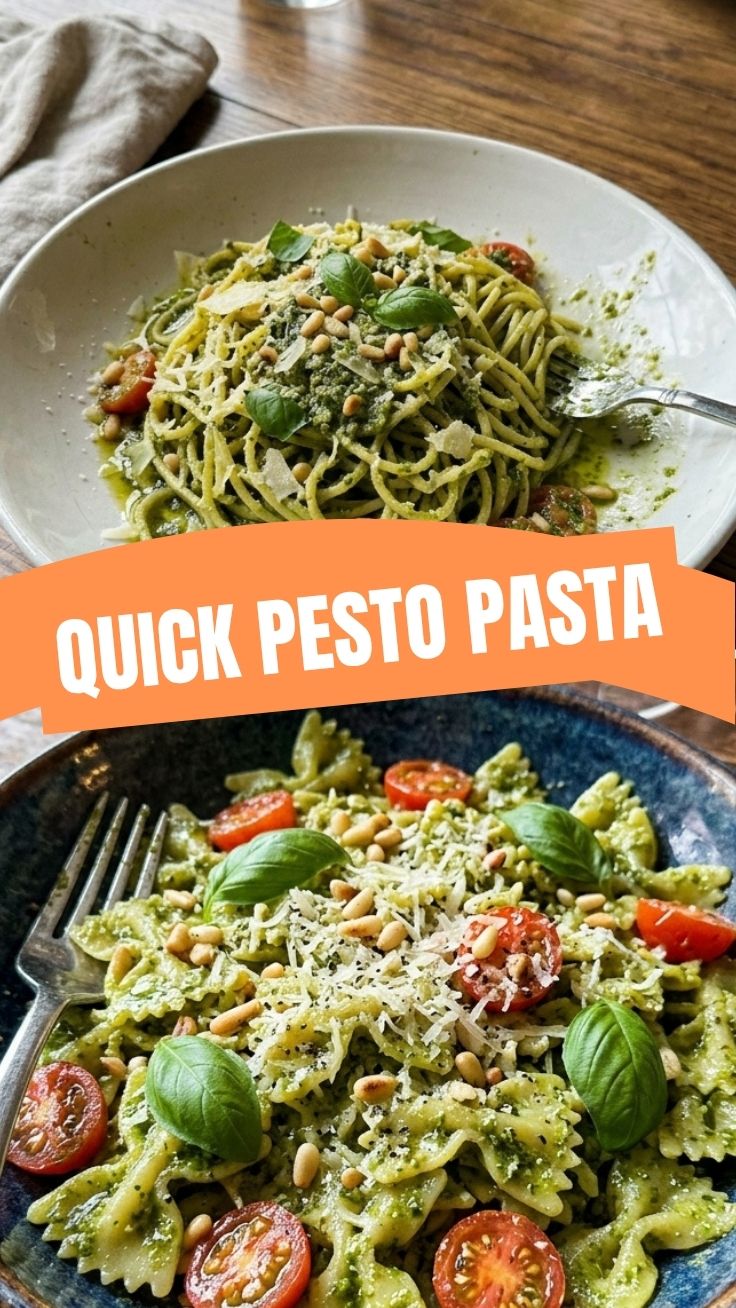
4. Combine. Return drained pasta to the pot (off heat). Add ¾ of the pesto and ⅓ cup of reserved pasta water. Toss vigorously with tongs, adding more water a tablespoon at a time until the sauce coats each strand creamy and glossy. The starch in the water helps emulsify the oil and cheese. This is where the magic happens for any Pesto Pasta—and for all great pasta recipes, hydration is key. Serve immediately with extra Parmesan and basil leaves.
Pro tip on temperature control: Never heat pesto directly on the stove after combining—the high heat can cause the cheese to separate and turn grainy. Use residual heat from the pasta alone.
Nutritional Benefits & Advantages
Pesto pasta isn’t just delicious; it packs a surprising nutritional punch. A single serving (about 2 oz dry pasta with 3 tbsp pesto) provides:
– Healthy fats from olive oil and pine nuts (rich in monounsaturated fatty acids and vitamin E)
– Antioxidants from basil (contains flavonoids like orientin and vicenin that support cardiovascular health)
– Calcium and protein from Parmesan cheese
– Slow-digesting carbohydrates from al dente pasta (lower glycemic index than overcooked pasta)
Compared to cream-based sauces, pesto is lighter yet more nutrient-dense. Studies show that the polyphenols in extra-virgin olive oil may reduce inflammation, while garlic supports immune function.
Tips Variations & Cooking Advice
– Flavor boosters: Add a squeeze of lemon juice to brighten the pesto. Or toss in a handful of arugula or spinach with the basil for a peppery twist.
– Protein add-ins: Grilled chicken, seared shrimp, or roasted cherry tomatoes turn this into a meal. Try the creamy salmon version over at pasta recipes for a heartier take.
– Dietary adaptations: For dairy-free, use nutritional yeast or a vegan parmesan-style cheese made from cashews.
– Cooking method alternatives: Don’t own a food processor? Use a mortar and pestle for a traditional, chunkier Genovese pesto. Hand-crushing releases essential oils differently.
– Portion changes: Halve the pesto ingredients for a smaller batch; pesto freezes beautifully in ice cube trays for single servings.
Common Mistakes to Avoid
– Using dry herbs: Fresh basil is non-negotiable. Dried basil turns bitter and lacks the pungent aroma.
– Over-processing pesto: Blitzing too long creates a paste, not a sauce. Stop when you see small green flecks.
– Skipping pasta water: The starchy liquid is the emulsifier. Water alone will leave your sauce watery and separated.
– Rinsing pasta: Never rinse after draining—you’ll wash away the starch that helps pesto adhere.
– Adding pesto to hot pasta directly on high heat: As mentioned, heat destroys the emulsion. Combine off the burner.
Storage & Meal Prep Tips
– Refrigeration: Store leftover Pesto Pasta in an airtight container for up to 3 days. The pesto may darken slightly due to oxidation—that’s natural and safe.
– Freezing: Pesto itself freezes well for up to 6 months. Freeze in silicone ice cube trays, then transfer to a freezer bag. For fully cooked pasta, freezing is not recommended (texture degrades).
– Reheating: Microwave in 30-second bursts with a splash of water, stirring between. Alternatively, reheat gently in a skillet over low heat with a tablespoon of pasta water, tossing until just warm. Avoid high heat.
– Meal prep tip: Make a double batch of pesto on Sunday. Use half for pasta and half as a spread on sandwiches or a drizzle over roasted veggies.
Conclusion
Mastering homemade Pesto Pasta unlocks a world of quick, nutritious, and deeply satisfying dinners. The balance of fragrant basil, nutty richness, and creamy olive oil is proof that simple ingredients can produce extraordinary results. We’ve covered everything from toasting pine nuts to emulsifying with pasta water—skills that apply to countless other pasta recipes. I encourage you to try this recipe tonight, share your results in the comments, or experiment with add-ins like sun-dried tomatoes or grilled zucchini. When you taste that first forkful of homemade pesto, you’ll never reach for a jar again.
FAQs
1. Can I use store-bought pesto instead of homemade?
Yes, but look for refrigerated pesto in the deli section (often higher quality). Skip shelf-stable jars—they typically contain more oil and less basil, resulting in a dull flavor.
2. My pesto turned brown—is it safe?
Basil oxidizes when exposed to air. To slow browning, press plastic wrap directly onto the surface of the pesto before refrigerating. A teaspoon of lemon juice also helps preserve color.
3. Why did my pesto pasta turn out dry?
You likely didn’t add enough pasta water. Gradually stir in warm water until the sauce flows like a thick cream. If still dry, add a drizzle of olive oil.
4. Can I make pesto without pine nuts?
Absolutely. Walnuts, almonds, or even pistachios work wonderfully. For a nut-free version, try toasted sunflower seeds or pepitas.
5. How do I make this recipe vegan?
Replace Parmesan with 2 tablespoons of nutritional yeast and use a dairy-free pasta. The rest of the recipe remains unchanged—the emulsion still works beautifully.
Pesto Pasta
Ingredients
Equipment
Method
- Boil a pot of salted water and cook the pasta according to package directions until al dente.
- While the pasta cooks, halve the cherry tomatoes and grate the Parmesan cheese.
- Drain the cooked pasta, reserving a small amount of the pasta water.
- In a large bowl, combine the drained pasta, pesto, and halved cherry tomatoes.
- Add a splash of the reserved pasta water if needed to loosen the sauce and ensure the pasta is well coated.
- Stir in most of the grated Parmesan cheese, reserving some for garnish.
- Serve the pesto pasta immediately, garnished with the remaining Parmesan cheese and fresh basil leaves.