The Art of Perfect Cacio e Pepe: A Roman Classic Made Simple
Have you ever ordered Cacio e Pepe at a trattoria and wondered how such simple ingredients create something so transcendent? This Roman masterpiece proves that four pantry staples—pasta, Pecorino Romano, black pepper, and pasta water—can produce restaurant-quality results in minutes. Learning to make Italian pasta recipes like this one at home transforms weeknight dinners into culinary experiences, saving you money while delivering authentic flavor that rivals any professional kitchen. The beauty of this dish lies in its deceptive simplicity: mastering the emulsion technique elevates humble ingredients into a creamy, pepper-forward sauce that clings perfectly to every strand of pasta.
Ingredients & Kitchen Tools
For the Pasta:
– 320g (12 oz) spaghetti or tonnarelli – Tonnarelli’s square shape holds sauce better, but spaghetti works beautifully. Look for bronze-die pasta for better texture.
– Fine sea salt – For pasta water; adjust based on Pecorino’s saltiness.
– Freshly cracked black pepper (2 tbsp) – Use Tellicherry or Sarawak peppercorns for bold, floral heat. Pre-ground pepper lacks aroma.
For the Sauce:
– 200g (7 oz) Pecorino Romano (finely grated) – Authentic Pecorino is essential; never substitute Parmesan alone. Grate it microscopically fine using a microplane.
– Reserved pasta water (1–1.5 cups) – The starchy, salted water creates the emulsion. Don’t use unsalted water.
Tools & Utensils:
– Large pot (6–8 quarts) for boiling
– Large skillet or wide sauté pan
– Microplane or finest-grate grater
– Wooden spoon or silicone spatula
– Pepper grinder (whole peppercorns)
– Tongs for tossing
Optional Substitutions:
– Gluten-free: Use chickpea-based pasta (cook 1–2 minutes less)
– Dairy-free: Try aged cashew-based hard cheese + nutritional yeast (adjust salt)
– Spaghetti instead of tonnarelli (reduce cooking time slightly)
Prep Time & Cooking Schedule
Total Time: 20–25 minutes
Prep Time: 10 minutes (grating cheese, cracking pepper)
Cook Time: 10–12 minutes
Resting Time: 1–2 minutes after tossing
This dish demands precise timing: grate the Pecorino while the pasta water comes to a boil, and crack pepper while the pasta cooks. Everything happens simultaneously after draining. Plan to serve immediately—waiting even 3 minutes can ruin the emulsion.
Step-by-Step Instructions
1. Boil pasta water – Fill a large pot with 4 quarts water. Bring to a rolling boil, then add 1–2 teaspoons salt (less than usual because Pecorino is salty).
2. Toast black pepper – While water heats, place 2 tablespoons cracked black pepper in a large dry skillet over medium heat. Toast 60–90 seconds until fragrant but not smoking. Remove from heat.
3. Cook pasta al dente – Add pasta to boiling water. Cook 1–2 minutes less than package directions – it should be very firm inside (a chalky white core visible when bitten). Reserve 1.5 cups pasta water before draining.
4. Create the emulsion – Return skillet to low heat. Add ¾ cup hot pasta water and the toasted pepper. Stir gently.
5. Cheese mixing technique – In a separate bowl, whisk 1 cup pasta water into the finely grated Pecorino (room temperature helps). Stir until mostly smooth—small lumps are okay. The secret to perfect Cacio e Pepe is never overheating the cheese; keep everything warm, not hot.
6. Combine and toss – Drain pasta (don’t rinse!) and add to skillet with pepper water. Toss 30 seconds. Remove skillet from heat. Slowly pour the cheese mixture over pasta while tossing vigorously with tongs. Add extra pasta water 1 tablespoon at a time until creamy—unlike some Italian pasta recipes, this sauce thickens as it cools, so stop while it’s slightly looser than desired.
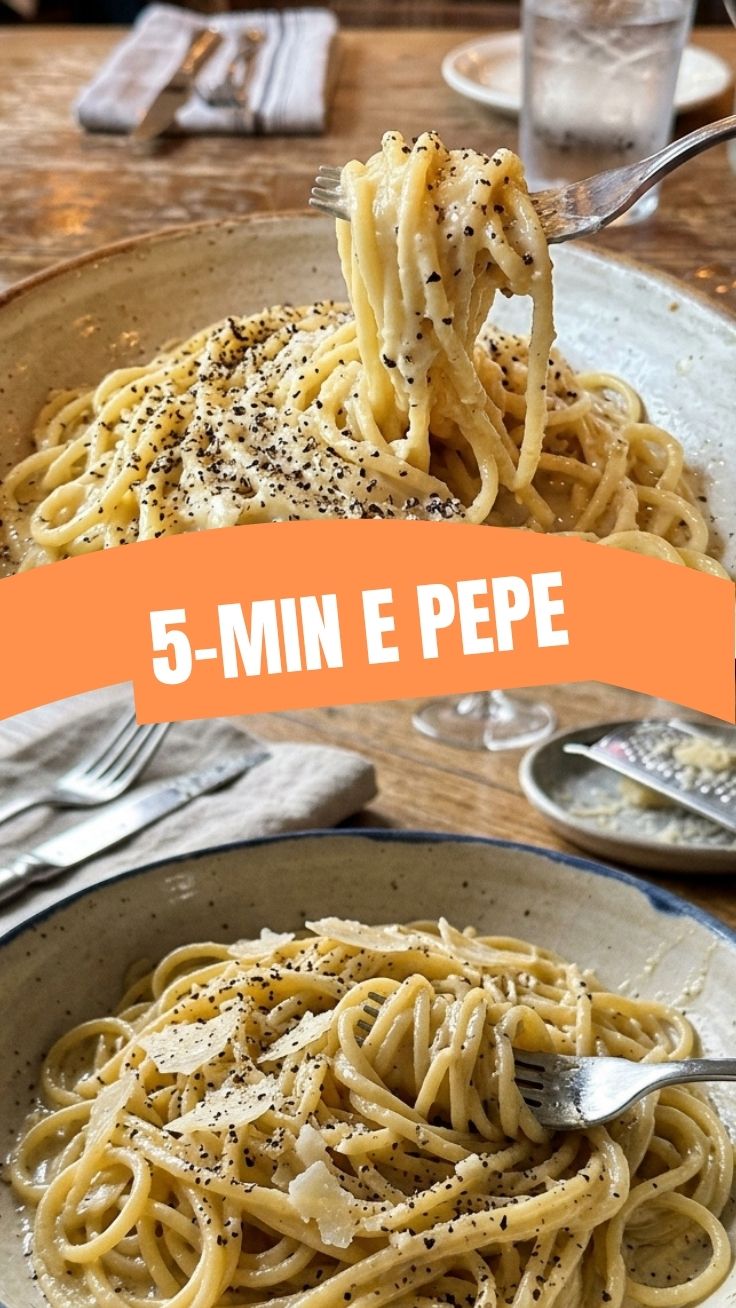
7. Serve immediately – Plate and top with more grated Pecorino and a crack of black pepper. The perfect texture should coat pasta strands without clumping.
Temperature Tip: If the sauce clumps, your pan was too hot. Next time, let pasta cool 30 seconds before adding cheese. For extra creaminess, use a splash of heavy cream (sacrilege to purists, but delicious).
Nutritional Benefits & Advantages
This bowl of Cacio e Pepe surprises with hidden nutritional value. Pecorino Romano packs 8–10g protein per serving plus 200mg calcium (20% daily value) from sheep’s milk. Despite its rich flavor, a single serving contains about 450–500 calories with minimal processed additives. The black pepper provides piperine—a compound linked to improved nutrient absorption and anti-inflammatory effects. Compared to cream-based sauces, this dish offers more protein per calorie and zero added fats beyond cheese. It’s naturally vegetarian and, with gluten-free pasta, easily adaptable for various diets. The slow-release carbohydrates from al dente whole-wheat pasta (optional swap) help maintain stable blood sugar.
Tips Variations & Cooking Advice
Flavor Twists:
– Citrus-zest Cacio – Add lemon zest before serving for brightness
– Herb-infused – Fresh thyme or rosemary cooked with the pepper
– Spicy kick – Add red pepper flakes with black pepper
Dietary Adaptations:
– Lower-fat version: Reduce Pecorino by 25% and add 2 tbsp nutritional yeast
– Egg-free: No changes needed – this recipe is naturally egg-free
– Keto-friendly: Use shirataki noodles (drain, rinse, pat dry)
Method Variations:
– Food processor shortcut – Blend Pecorino with pasta water and pepper before tossing
– Cold-start method – Start pasta in cold water for creamier starch release (cook 2 minutes longer)
– Grilled version – Toss grilled vegetables (zucchini, cherry tomatoes) with the pasta
Portion Adjustments: For 2 servings, halve all ingredients and use 1 tbsp pepper. For 6+ servings, use two large skillets—crowding the pan breaks the emulsion.
Common Mistakes to Avoid
| Mistake | Solution |
|———|———-|
| Cheese clumps into rubbery balls | Always use room-temperature cheese, and never add cheese to boiling water. Remove pan from heat first. |
| Pasta water too salty | Use 1 tsp salt per 4 quarts water (half normal amount) since Pecorino is intensely salty. |
| Grainy/gritty sauce | You didn’t grate finely enough. Microplane-grate Pecorino until it’s snow-like powder. Pre-shredded cheese won’t work. |
| Watery, thin sauce | Reserve extra pasta water; you can always add more. The emulsion needs enough starch—use 2.5 quarts water per pound pasta, not 4. |
| Burnt pepper | Toast pepper on medium-low heat, shaking constantly. Stop when fragrant (60–90 seconds). Burned pepper tastes bitter. |
Troubleshooting Test: The perfect sauce should coat a spoon’s back evenly. If it slides off like water, add more grated cheese with a tablespoon of water. If it’s thick like paste, splash in hot water.
Storage & Meal Prep Tips
Refrigeration: Store leftover pasta in an airtight container for up to 3 days. The sauce will thicken and separate; don’t worry—reheating fixes it.
Freezing: Not recommended. Dairy-based sauces become grainy when thawed. However, you can freeze cooked pasta without sauce for 2 months.
Reheating Instructions:
1. Stovetop method (best): Add pasta to a skillet with 2 tablespoons water per serving. Toss over low heat 3–4 minutes, adding another 1–2 tablespoons water as needed. The starch in the pasta water brings back the creaminess.
2. Microwave shortcut: Place pasta in a bowl, add 1 tablespoon water, cover with damp paper towel. Heat 45-second intervals, stirring between, until steaming (90 seconds total).
Meal Prep Hack: Cook pasta al dente, drain (reserve water), and spread on a baking sheet to cool. Store pasta and reserved water separately for 3 days. When ready, reheat pasta in pepper water (step 4) for 1 minute, then proceed with cheese mixing.
Conclusion
Making authentic Cacio e Pepe at home is a rewarding skill that connects you to centuries of Roman culinary tradition. Remember the golden rules: grate Pecorino to powder, never let it overheat, use freshly cracked pepper, and always trust your pasta water’s starch. This dish proves that Italian pasta recipes don’t need complexity to dazzle—just technique, temperature control, and respect for ingredients. We’d love to hear your results! Share your creamy creations on social media with #CacioEPepeSuccess, or explore our guide to other Roman pasta classics like Carbonara and Amatriciana.
FAQs
Q1: Can I use Parmesan instead of Pecorino Romano?
A: Partially (mix 50/50) but never fully. Pecorino’s sheep’s milk tang and saltiness are irreplaceable. Parmesan alone makes the sauce flat and less creamy.
Q2: Why did my sauce become stringy and clumpy?
A: You added cheese to water that was too hot (above 145°F). Always remove the pan from heat, let it rest 30 seconds, then slowly incorporate cheese while tossing. Cold cheese also helps—grate it fresh but keep it chilled.
Q3: Can I make this dairy-free or vegan?
A: Yes, but results differ. Use ½ cup nutritional yeast + ¾ cup soaked cashews blended with ½ cup pasta water. Add 1 tsp lemon juice and ½ tsp salt. However, the texture will be grainier. For strict vegan versions, try mycelium-based “Pecorino” alternatives in specialty stores.
Q4: What’s the best pasta shape for Cacio e Pepe?
A: Tonnarelli (square spaghetti) or bucatini (hollow spaghetti) are traditional. The shape’s surface area helps sauce cling. Avoid shapes like penne or fusilli—the sauce pools inside.
Q5: How do I prevent the pasta from sticking together after draining?
A: Don’t rinse pasta! The starch film prevents sticking. Toss immediately with hot pepper water. If waiting more than 30 seconds, drizzle 1 tablespoon olive oil over drained pasta and toss.
Q6: Can I use ground black pepper instead of freshly cracked?
A: Not recommended. Pre-ground pepper loses volatile oils within weeks. Crack whole peppercorns coarsely just before toasting—the difference in aroma and heat is dramatic. Use a mortar and pestle or coarse grinder.
Proven way to make 6 perfect Cacio e Pepe
Ingredients
Equipment
Method
- Bring a large pot of salted water to a rolling boil, then add spaghetti and cook until al dente according to package directions, reserving 1.5 cups of starchy pasta water before draining.
- While pasta cooks, toast freshly cracked black pepper in a dry pan over medium heat for 1-2 minutes until fragrant to enhance its flavor.
- In a large bowl, combine finely grated Pecorino Romano cheese with 0.5 cups of the reserved hot pasta water, mixing vigorously to create a smooth, creamy paste.
- Drain the cooked pasta and immediately add it to the cheese mixture, then add another 0.5 cups of pasta water and toasted black pepper; toss continuously and vigorously for 1-2 minutes, adding more pasta water as needed, until a rich, emulsified sauce coats the pasta.
- Serve immediately, optionally garnished with extra freshly cracked black pepper and a sprinkle of Pecorino Romano.