The Ultimate Guide to a Perfect Tuna Salad Sandwich: Easy, Healthy & Delicious
Have you ever wondered why a simple Tuna Salad Sandwich can taste so much better when made from scratch? The secret lies in fresh ingredients, balanced textures, and a few chef-approved techniques. Preparing this classic lunch at home not only saves money but also lets you control the quality—no more mushy, mayonnaise-heavy versions from the deli. Whether you’re looking for a quick weekday meal or a satisfying picnic favorite, mastering a tuna salad sandwich is a game-changer. And once you have a solid tuna salad recipe, you’ll never go back to store-bought.
Ingredients & Kitchen Tools
Here’s everything you’ll need, plus optional swaps for dietary flexibility.
Can of tuna (5–6 oz)
Use chunk light or albacore in water (skip oil-packed to avoid greasiness). For a richer taste, try olive-oil-packed and drain well.
Mayonnaise (2–3 tbsp)
Classic full-fat mayo gives the creamiest texture. Substitute Greek yogurt or mashed avocado for a lighter version.
Celery (1 rib, diced)
Adds crunch and freshness. Swap with diced cucumber or apple for sweetness.
Red onion (2 tbsp, finely chopped)
Mild bite. Use shallots or green onions if raw onion is too sharp.
Fresh lemon juice (1 tsp)
Brightens the flavor. Apple cider vinegar works as a substitute.
Salt, black pepper, and optional herbs (dill, parsley)
For seasoning. Also consider a pinch of paprika or cayenne for heat.
Bread (2 slices per sandwich)
Sourdough, whole wheat, or brioche. For a low-carb option, use lettuce wraps or gluten-free bread.
Tools
Mixing bowl, fork, cutting board, knife, can opener, measuring spoons.
Prep Time & Cooking Schedule
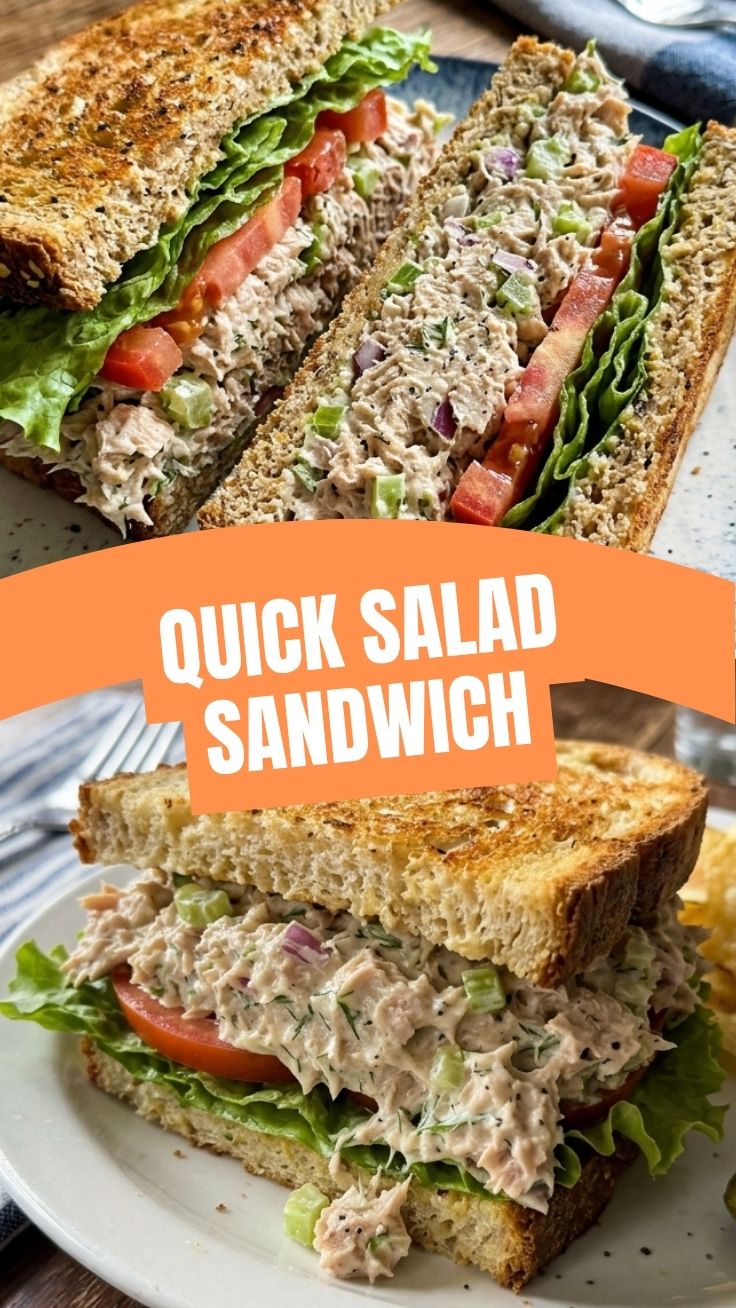
– Prep time: 10 minutes
– Cook time: 5 minutes (for toasting bread, optional)
– Total time: 15 minutes
No resting or marinating is required, but letting the tuna salad sit for 5 minutes after mixing allows flavors to meld. Perfect for a quick lunch you can throw together between meetings or after a busy morning.
Step-by-Step Instructions
1. Drain the tuna thoroughly. Place it in a mixing bowl and flake with a fork. Don’t over‑break it—small chunks provide better texture.
2. Add mayonnaise, lemon juice, and a pinch of salt and pepper. Stir gently to combine. If the mixture seems dry, add another tablespoon of mayo or a splash of olive oil.
3. Fold in diced celery and red onion. These add the essential crunch. For extra freshness, toss in a tablespoon of chopped fresh dill or parsley.
4. Taste and adjust seasoning. A squeeze of lemon brightens everything. Remember: the tuna salad recipe should be creamy but not heavy—balance is key.
5. Toast the bread (optional). A light toast prevents sogginess and adds a nice contrast to the cool filling.
6. Assemble the sandwich. Spread a generous layer of tuna salad on one slice, top with lettuce or tomato if desired, and close with the other slice. Press lightly.
7. Serve immediately or wrap for later. This tuna salad sandwich is best fresh, but you can make the filling up to a day ahead.
Nutritional Benefits & Advantages
Tuna is a powerhouse of lean protein (about 20g per 3‑ounce serving) and heart‑healthy omega‑3 fatty acids. Pairing it with celery and onions adds fiber and vitamins A, C, and K. Using Greek yogurt instead of mayo reduces saturated fat while keeping protein high. This sandwich is also naturally low‑carb if served on lettuce wraps, making it ideal for keto or paleo lifestyles.
Tips Variations & Cooking Advice
– Spice it up: Add a dash of sriracha or chopped jalapeño for heat.
– Herb swap: Use basil, tarragon, or chives instead of dill.
– Creamy twist: Mix in a spoonful of plain yogurt or mashed avocado.
– Gluten‑free: Serve on gluten‑free bread or rice cakes.
– Dairy‑free: Use vegan mayo or an olive oil‑based dressing.
– Extra crunch: Stir in chopped walnuts, sunflower seeds, or diced apple.
– Texture trick: For a smoother spread, pulse the tuna in a food processor once or twice.
Common Mistakes to Avoid
– Over‑draining or under‑draining tuna: Too dry = crumbly; too wet = sloppy. Squeeze the can lid to press out liquid.
– Adding too much mayo: Start with 2 tablespoons, then add more as needed. You can always add, but you can’t remove.
– Skipping acidity: Lemon juice or vinegar cuts through richness—don’t omit it.
– Using stale bread: Fresh bread (or toasted) makes all the difference in texture.
– Overmixing: Flake the tuna lightly; you want distinct pockets of flavor, not a paste.
Storage & Meal Prep Tips
Store the tuna salad (without bread) in an airtight container in the refrigerator for up to 3 days. Freezing is not recommended because the mayonnaise can separate and the texture becomes watery. To reheat, bring to room temperature (don’t microwave the tuna—it will dry out). For meal prep, pack the bread separately and assemble just before eating to avoid sogginess.
Conclusion
A homemade tuna salad sandwich is more than just a quick lunch—it’s a canvas for creativity and a healthier alternative to processed options. By following this easy tuna salad recipe, you’ll achieve the perfect creamy‑crunchy balance every time. Experiment with your favorite add‑ins, share your results with friends, or explore more sandwich ideas on our site. Happy cooking!
FAQs
1. Can I use fresh tuna instead of canned?
Yes! Sear fresh tuna steak, let it cool, then flake and mix with the same ingredients. Adjust seasoning to taste.
2. How do I make it dairy‑free?
Replace mayonnaise with a dairy‑free alternative (e.g., vegan mayo or mashed avocado). Most other ingredients are naturally dairy‑free.
3. My tuna salad is too dry. What should I do?
Add more mayo, a drizzle of olive oil, or a teaspoon of pickle juice for moisture and tang.
4. Can I add cheese to a tuna salad sandwich?
Absolutely. Melted cheddar or provolone pairs beautifully. Slice it thin and layer under the tuna.
5. How long does tuna salad last in the fridge?
Up to 3 days in a sealed container. After that, discard for safety.
Quick way to grow tuna salad sandwich
Ingredients
Equipment
Method
- In a medium bowl, flake the drained tuna with a fork.
- Add mayonnaise, chopped celery, optional red onion, and optional Dijon mustard to the tuna.
- Mix all ingredients thoroughly until well combined and season with salt and pepper to taste.
- Spread the tuna salad mixture evenly onto two slices of bread.
- Top with the remaining two slices of bread to form sandwiches.